When everything is ready, and all that’s left is to click the “Send” button, there’s one more important question to ask: Is this the right moment to share your news? The best time to send a press release can significantly influence whether journalists notice it, open it, and decide to publish it. Over time, you’ll naturally develop your own approach — learning the rhythm of your niche, tracking responses, and refining your timing. Still, if you’re wondering when is the best time to send a press release and want clear, data-backed guidance, we’re here to help.
Before choosing the best time to send out a press release, make sure your content meets editorial standards. Reviewing a proven press release format will help ensure that your message is clear and structured for media distribution. PRNEWS.IO explains this process in detail, including how to prepare your release and plan its publication date.
In this guide, we’ll share practical tips and industry insights to help you determine the optimal time to send a press release and leverage timing as a strategic advantage.
Which day to choose? Best time to send a press release
Midweek as an optimal window
According to Prezly’s analysis of newsroom workflows and PR performance data, the optimal time to send a press release is consistently in the middle of the week — specifically, Tuesday through Thursday — when journalists are most receptive to new pitches.
Tuesday is a good day to send a press release because most journalists have cleared their inboxes by then. By this time, editorial teams are actively searching for stories to fill their content calendars for the upcoming week, so Tuesday is a reliable option for sending a press release.
Wednesday performs just as well. Editors are fully in their work rhythm, productivity remains high, and competition for inboxes is lower than at the beginning or end of the week. For many industries, Wednesday strikes a balance between attention and availability.
According to multiple PR studies, Thursday often shows the highest average open rates (around 26%). Journalists have time to develop and publish stories before the weekend. However, although open rates peak on Thursday, response rates may dip slightly compared to those on Tuesday or Wednesday, as some editors shift their focus toward weekly wrap-ups.

Days to avoid
Monday
As eReleases and Prowly noted, Mondays are notoriously difficult. The weekend is over, and the workweek begins. Journalists are faced with dozens — sometimes hundreds — of emails that accumulated over two days.
In an attempt to reduce inbox overload, editors may quickly archive or delete less urgent messages. This means your press release risks being ignored entirely. Additionally, Mondays (especially the first half of the day) are dominated by meetings, planning sessions, and editorial alignment, which are not ideal conditions for pitching new stories.
Friday
According to HubSpot‘s research on content marketing and email engagement, Fridays tend to show lower engagement rates, making them an ineffective time for distributing press releases. Many journalists focus on finishing existing stories rather than starting new ones, and engagement steadily declines as the weekend approaches.
Weekends
As a rule, avoid weekends. Like everyone else, most journalists spend this time with family and friends or doing personal activities, so they do not regularly check their work email. This view is widely shared by PR practitioners themselves. In Reddit discussions within the public relations community, professionals consistently note that press releases sent on weekends are often overlooked until the following week, if noticed at all.
The only exception is breaking news. In such cases, it’s often better to follow up with a personal call after carefully considering whether the news truly justifies interrupting someone’s day off.
Holidays and international considerations
Public holidays follow the same logic as Fridays and weekends, and sometimes even more so. HubSpot‘s research on email engagement shows that people are significantly less responsive to non-urgent messages during major holidays, as their attention shifts away from work-related communication.
On Christmas Eve, Hanukkah, and other major holidays, for example, editors receive a flood of emails and are far less likely to engage with new pitches.
- For general announcements, send your press release two to three days before a holiday.
- If your news is directly related to the holiday itself, such as a New Year’s Eve event or seasonal opening, plan to distribute it at least three weeks in advance.
When working with international media, be sure to account for local holidays, such as Chinese New Year, Independence Day, Thanksgiving, Oktoberfest, Victory Day, and region-specific observances. Failing to do so can significantly reduce visibility, even if you’ve chosen what would otherwise be the best time to send a press release.
Best day and time to send a press release by industry
The following industry-specific overview is based on newsroom practices, content consumption patterns, and engagement trends from HubSpot, and it details the best times to send out a press release.
E-commerce & Consumer brands
- Best days: Tuesday or Thursday
- Best time: Around 10:00 AM
Consumer-focused press releases perform best in the late morning when editors are actively looking for stories related to lifestyle, retail, and products. Tuesday and Thursday are good for visibility without clashing.
Software & SaaS
- Best days: Tuesday or Thursday
- Best time: 2:00–3:00 PM
Technology and SaaS journalists typically review pitches later in the day, after meetings and product briefings conclude. Distributing pitches mid-afternoon aligns well with editorial review cycles and longer content planning.
Marketing, media & Creative services
- Best day: Wednesday
- Best time: Around 4:00 PM
Marketing and media editors usually engage with thought leadership and industry insights later in the day. Wednesday afternoons are ideal for analytical or commentary-driven press releases, as journalists have more time for evaluation then.
Offline retail, hospitality, & Local businesses
- Best day: Thursday
- Best time: 8:00–10:00 AM
Early-morning visibility is especially beneficial for hospitality and retail press releases when targeting local or regional media. Since editors often plan weekend-related content on Thursdays, this is a strategic time to release it.
Professional services (B2B)
- Best days: Monday or Tuesday
- Best time: 8:00–10:00 AM
Unlike many consumer-focused sectors, content related to B2B and professional services can perform well early in the week. Editors covering finance, consulting, legal, and corporate topics often plan their stories at the beginning of the week.
NGOs & Nonprofits
- Best days: Tuesday or Thursday
- Best time: 3:00–4:00 PM
Press releases related to nonprofits and advocacy tend to gain traction later in the day when editors have more capacity for cause-driven stories. The timing should also consider news relevance and public interest cycles.
Overall best timing (cross-industry benchmark)
- Best days: Tuesday or Thursday
- Best times: 10:00 AM or 3:00 PM
These windows consistently demonstrate higher engagement and editorial responsiveness across industries, making them a reliable default when industry-specific data is unavailable.
Global timing strategy: the “follow the sun” approach
For multinational press releases, timing becomes even more complex. The “Follow the Sun” strategy involves sending out releases sequentially, starting with markets where the news is most relevant.
- Americas: Target 10:00 AM ET to capture East Coast journalists at the start of their workday.
- EMEA: For European markets, aim for 9:00 AM to 11:00 AM GMT/CET.
- APAC: For Asia-Pacific, consider releasing content between 9:00 AM and 11:00 AM local time, depending on the country.
This staggered approach ensures that the press release reaches the right audience during their most productive hours.

Best time to send a press release
The timing of your press release is crucial. The media landscape today is flooded with content, and journalists receive hundreds of pitches daily. To avoid getting lost in the flood, your press release needs to hit inboxes at a time when journalists are most receptive to new content.
Research consistently shows that the best time to send a press release is mid-week, particularly Tuesday, Wednesday, and Thursday, between 10:00 AM and 2:00 PM local time. These hours provide journalists with a manageable inbox and allow them to actively search for stories to fill upcoming editions.
A well-timed release functions as a “gatekeeper” that ensures your message is seen by the right people at the right time. Avoid sending press releases on Mondays, as journalists are clearing out the backlog from the weekend, and Fridays are typically less effective since reporters are wrapping up their week. As a result, mid-week distributions often see higher open rates and engagement.
For companies with a global presence, utilizing a “Follow the Sun” strategy ensures that press releases are sent according to the optimal local time in each region. This strategic approach ensures your release reaches journalists during their peak work hours, no matter where they are in the world.
PRNEWS.IO for Optimal Distribution
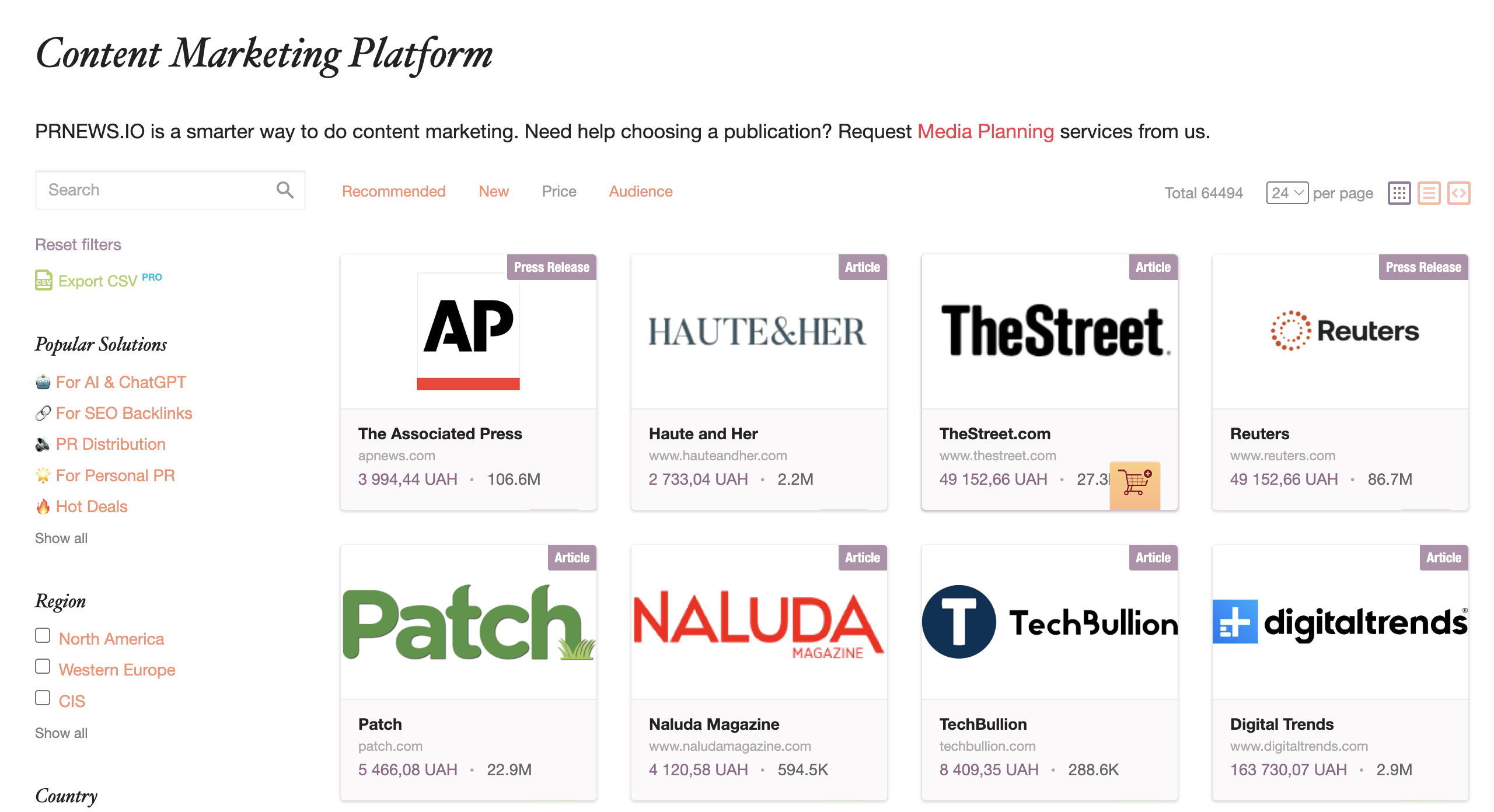
One of the greatest advantages of using PRNEWS.IO is the ability to control your press release’s release time. The platform’s flexible distribution options allow you to target specific times, ensuring that your press release reaches journalists when they are most likely to engage with it. Whether you’re aiming for a global audience or a localized distribution, PRNEWS.IO’s time-zone-aware features let you craft a strategic campaign that spans multiple regions with ease.
Conclusion: perfecting your press release timing
The timing of your press release is as important as the content itself. By aligning your distribution with the optimal days and hours, you increase the likelihood of engagement and visibility. Utilizing tools like PRNEWS.IO further enhances your ability to schedule your press releases for maximum impact, whether you are targeting local journalists or engaging with global media outlets.
For more tips and tools to optimize your press release distribution, visit PRNEWS.IO, where you can take full control of your campaign’s timing and ensure your content reaches the right audience at the right time.