The types of journalism have multiplied significantly in recent decades, and the industry has expanded thanks to digitalization. However, one thing remains eternal: propaganda, which dates back to the 17th century. Advocacy journalism is a relatively new type of journalism that attempts to promote a particular ideology or point of view on social, political, or environmental issues of concern. From the beginning of the 1990s, this type of journalism has caused heated discussions. This type of journalism has been the subject of heated debate since its inception in the 1990s. And we are no exception – let’s take a closer look at advocacy journalism’s pros, cons, and pitfalls.
What is Advocacy Journalism: Comparision with Traditional Journalism
Advocacy journalism is a genre that takes a biased point of view, usually with a specific social or political goal in mind. Stuart Allan, a professor at the School of Journalism in the UK, described it as: “A form of journalism that goes beyond reporting and maintains an active commitment to social justice.”
Compared to traditional journalism, which strives to be neutral and unbiased, advocacy journalism pushes an agenda. Advocacy journalism is more subjective because it openly supports a particular point of view, while traditional journalism strives to provide objective, balanced coverage of events and issues. Normative (traditional) journalism tends to target a broad audience, providing news and information that is important to everyone. On the other hand, advocacy journalism often appeals to a specific audience, which is what sets it apart.
Advocacy journalists often use passionate language and personal stories to engage a specific audience, concentrating on one side of the narrative. They appeal to emotions, and selectively present material to advance their point of view, seeking a particular viewpoint or agenda on social, political, or environmental issues. This contrasts normative journalism, which presents an unbiased, factual account of events and issues.
Most advocacy journalists reject the objectivity of the mainstream press as a practical impossibility. At the same time, others argue that economic censorship exercised by corporate sponsors often aligns with political censorship.
The following are examples of advocacy journals and alternative publications designed to engage target audiences through their specific interests or worldviews:
- Print media: The Spotlight, The Nation, The Economist, The New Republic, etc.
- Electronic media: Sean Hannity, Rachel Maddow, Rush Limbaugh.

Main Purposes of Advocacy Journalism
Advocacy journalism, unlike propaganda, usually does not aim to mislead but rather supports a particular point of view on an issue. Advocacy journalism seeks to persuade like-minded people to take action on the issues they cover, in light of the journalist’s perspective. Let us define more clearly the goals of advocacy journalism:
- Shaping public attitudes toward specific issues;
- Increasing understanding and visibility of certain topics;
- Challenging dominant narratives;
- Advocating for a particular perspective or ideology;
- Supporting social or political movements: addressing poverty, racism, sexism, homophobia, environmental challenges, and animal welfare.
Perspectives From Advocacy Journalists
Sue Curless of the Canadian Journalists Association reminded advocacy journalists in April 2000 of the journalistic standards that this genre must adhere to:
- Make your perspective clear from the outset.
- Be honest, accurate, and trustworthy.
- Avoid giving your opponents equal time, but also refrain from ignoring them.
- Challenge arguments that share your perspective with critical questions.
- Avoid using slogans, rants, and polemics.
- Ensure fairness and comprehensiveness.
- Use unbiased sources to confirm the facts.
History Excourse
Understanding the historical origins of advocacy journalism helps us recognize its defining characteristics and provides a basis for critically evaluating its practices. Some sources suggest that advocacy media originated as a form of political propaganda. Freedom’s Journal, published in 1827 and recognized as the first African-American newspaper in the United States, is often considered an early example. This publication promoted political ideologies and supported specific parties or movements. In 1910, Crisis Magazine declared itself a successor to the tradition of advocacy journalism established by Freedom’s Journal, continuing its mission to address social and political issues. Next came The Suffragist, a newspaper founded in 1913 by the Congressional Union for Woman Suffrage. It emphasized the importance of the National Woman’s Party and was regarded as one of the leading women’s political publications of its time.
There are even professional predecessors to modern advocacy journalists, known as Muckrakers. These include figures like Ida M. Tarbell, who exposed corporate monopolies; Ida B. Wells, a crusader against lynching; Nellie Bly, a pioneer in investigative reporting; Lincoln Steffens, who uncovered political corruption; and writers like Upton Sinclair, George Seldes, and I.F. Stone, who challenged societal injustices.
Today, one of the world’s most influential advocacy journalists and TV hosts is Oprah Winfrey. Through her talk show, she sheds light on a wide range of issues, including physical and mental health challenges such as stress and depression; racism, sexism, and social inequality; the protection of women’s and children’s rights; LGBTQ+ community concerns and inclusion; as well as topics like sexual and domestic violence, among others.
Other notable examples include environmental journalism outlets like Inside Climate News and Yale Environment 360; politically left-leaning U.S. media platforms such as Mother Jones, Jacobin, The Nation, and Pacifica Radio; as well as non-governmental organizations like the American Civil Liberties Union, Greenpeace, Human Rights Watch, and UNAIDS.

Key Characteristics That Make It Especially Relevant in Today’s Journalism Landscape
Contemporary examples clearly show that advocacy journalism remains vibrant and relevant in the modern world, far from fading into obscurity. This resilience can be attributed to several key factors, including:
- The rise of digital media has significantly broadened the scope of advocacy journalism. Online news platforms and social media now give human rights journalists powerful tools to raise awareness about their causes and connect directly with audiences. This shift has also fueled the growth of citizen journalism and alternative news outlets, which often prioritize advocacy and activism over traditional journalistic principles like objectivity and impartiality.
- Advocacy journalism has gained popularity alongside the growth of democracy, as people increasingly question political rhetoric and form their own opinions. People increasingly turn to advocacy journalists who share their political beliefs and ideals, while traditional media outlets struggle to maintain their audience, trust, and neutrality. Through direct engagement with these publications, people feel empowered to make a difference and contribute to social change through advocacy journalism.
- Advocacy journalism is currently experiencing a surge in popularity. With the rise of social justice movements such as Black Lives Matter, Me Too, the Dalit movement in India, the farmers’ protests against the Union Farm Bill, and global climate change activism, this form of media is gaining traction as people increasingly seek out diverse perspectives and connect with like-minded individuals to advocate for their rights.
- Advocacy journalism has gained greater recognition due to the increasing awareness of media bias and the limitations of traditional journalistic practices. Many people now recognize that objectivity and impartiality are not always feasible or desirable and that advocacy journalism can be highly effective in promoting social justice and holding powerful institutions accountable.
Advantages and Disadvantages of Advocacy Journalism
Whether advocacy journalism has a positive or a harmful impact on society depends on the topic and mood. Although advocacy journalists usually draw attention to important issues that society ignores, they still cannot be completely trusted. Let’s consider examples both from the past and from the present.
- The Muckraking movement of the early 20th century was one of the earliest manifestations of advocacy journalism. Upton Sinclair, Ida Tarbell, and Lincoln Steffens exposed abuses of power and corruption in business and government, driving significant social and political reforms. Their revolutionary work played a crucial role in shaping modern democracy.
- Advocacy journalism played a major role in highlighting the injustices of segregation and discrimination during the civil rights movement of the 1950s and 1960s. Ethel Payne, James Baldwin, and even artist-activist Bob Dylan used their platforms to advocate for social change and amplify the struggles of Black Americans. Their work raised awareness of racial discrimination and brought much-needed attention to a pressing but often overlooked issue.
- Washington Post reporters Bob Woodward and Carl Bernstein played a key role in investigating the Watergate scandal, which ultimately led to President Nixon’s resignation. Their reporting exposed abuse of power and corruption at the highest levels of government, underscoring the critical role of investigative journalism in holding public officials accountable.
- Advocacy journalism significantly impacted raising awareness about climate change in recent years. Publications such as The Guardian, Grist, and many others worldwide have leveraged their platforms to inspire activism and hold corporations and governments accountable for their environmental impact.
- In the aftermath of George Floyd’s murder, advocacy journalism has drawn attention to systemic racism and police brutality in America. Publications like The Intercept and The Root have been at the forefront of advocating for significant reforms to the criminal justice system, amplifying the voices of black activists and communities.
So, the following advantages of advocacy journalism can be distinguished:
- Highlights critical issues;
- Opposes established narratives;
- Stimulates public engagement;
- Shapes modern democracy values;
- Holds public officials accountable.
Alongside the significant achievements of advocacy journalism, there is criticism for advocating a particular agenda or ideology and for violating objectivity and impartiality in this process. Some argue that advocacy journalism damages the media’s reputation and increases social polarization. Others say advocacy journalism is vital for promoting social justice and putting pressure on influential organizations. The topic being covered, personal perspective and the broader social and political context are examples of the many variables that determine the impact of advocacy journalism on society.
A real-world example of the negative impact of advocacy journalism can be found in the coverage of the Pizzagate conspiracy theory in 2016. A conspiracy theory spread through alternative media and social media such as 4chan, 8chan, Reddit, and Twitter claimed that members of the US Democratic Party elite, including Hillary Clinton, were involved Some publications with a clear political position, in particular far-right platforms, actively supported this theory, ignoring the lack of evidence.in human trafficking and child sex rings was at the Comet Ping Pong pizzeria in Washington, D.C. The consequences were horrific: in December 2016, a man inspired by these materials stormed a pizzeria with a gun to “investigate the truth,” putting the lives of employees and patrons at risk. This case demonstrated how irresponsible journalism with elements of advocacy can spread misinformation, incite hatred, and provoke dangerous actions. Certainly, in this case, advocacy journalism crossed the line between expressing a position and promoting a conspiracy, which had serious consequences for society.
So, the following disadvantages of advocacy journalism can be distinguished:
- Unobjective and limited;
- Used to advance particular viewpoints;
- Manipulation of facts;
- Lack of self-criticism.
Advocacy vs. Objectivity: Can They Coexist?
Objectivity, when applied to journalism, primarily refers to the reporting of hard news and facts, devoid of emotional bias, personal opinions, or prejudices. Usually, neutral language is used and any evaluation of the characters depicted in the news is avoided. In objective reporting, reporters restrain the expression of their feelings, prejudices, or biases in their materials. When writing stories, they use neutral language and avoid characterizing people or institutions positively or negatively.
Concerns about objectivity and credibility are crucial when engaging in advocacy journalism. Critics argue that trust in journalism can suffer from advocacy journalism, which blurs the lines between news and opinion and compromises journalistic neutrality by promoting a particular agenda or ideology. Proponents of advocacy journalism dispute the power of advocacy journalism to advance social justice and hold powerful institutions accountable in a way that objective media arguably cannot. There are many different sides to the debate about advocacy journalism: some argue that it can promote social justice and hold powerful institutions accountable. Others say it can damage the credibility of journalism and weaken neutrality.
Since advocacy journalists may be more inclined to promote their own opinions and interpretations of events, the issue of truth becomes a concern. A journalist’s work involves a careful assessment of their roles and responsibilities in promoting social justice and holding powerful institutions accountable, all while maintaining the principles of impartiality, reliability, and truth. Furthermore, it becomes more challenging for journalists to reveal the truth in a confusing situation due to inaccurate statistics and news facts. The credibility of claims is particularly problematic, as readers may be more inclined to spread their interpretations.
So, advocacy journalism and objectivity can be contradictory concepts, as advocacy journalism focuses on promoting certain points of view or social, political, or ideological causes. However, this does not mean advocacy journalism cannot be objective. It all depends on how journalists approach their task. Some advocacy journalists argue that they can forgo objectivity while adhering to the goals of honesty and accuracy, and say that corporate journalists often lack both.
Ways To Spread And Support Advocacy Initiatives
In advocacy journalism, platforms like PRNEWS.IO are essential in disseminating important social, political, and environmental issues. PRNEWS.IO is a media publishing platform that helps brands and organizations promote their social or political messages through publications on world-renowned sites such as The Associated Press, The Economist, and more.
Step-by-Step Guide to Publishing an Article via PRNEWS.IO
Step 1: Go to the Marketplace
Visit PRNEWS.IO’s marketplace to explore available media outlets. Use filters like niche, geographical region, language, or audience type to narrow down your choices.
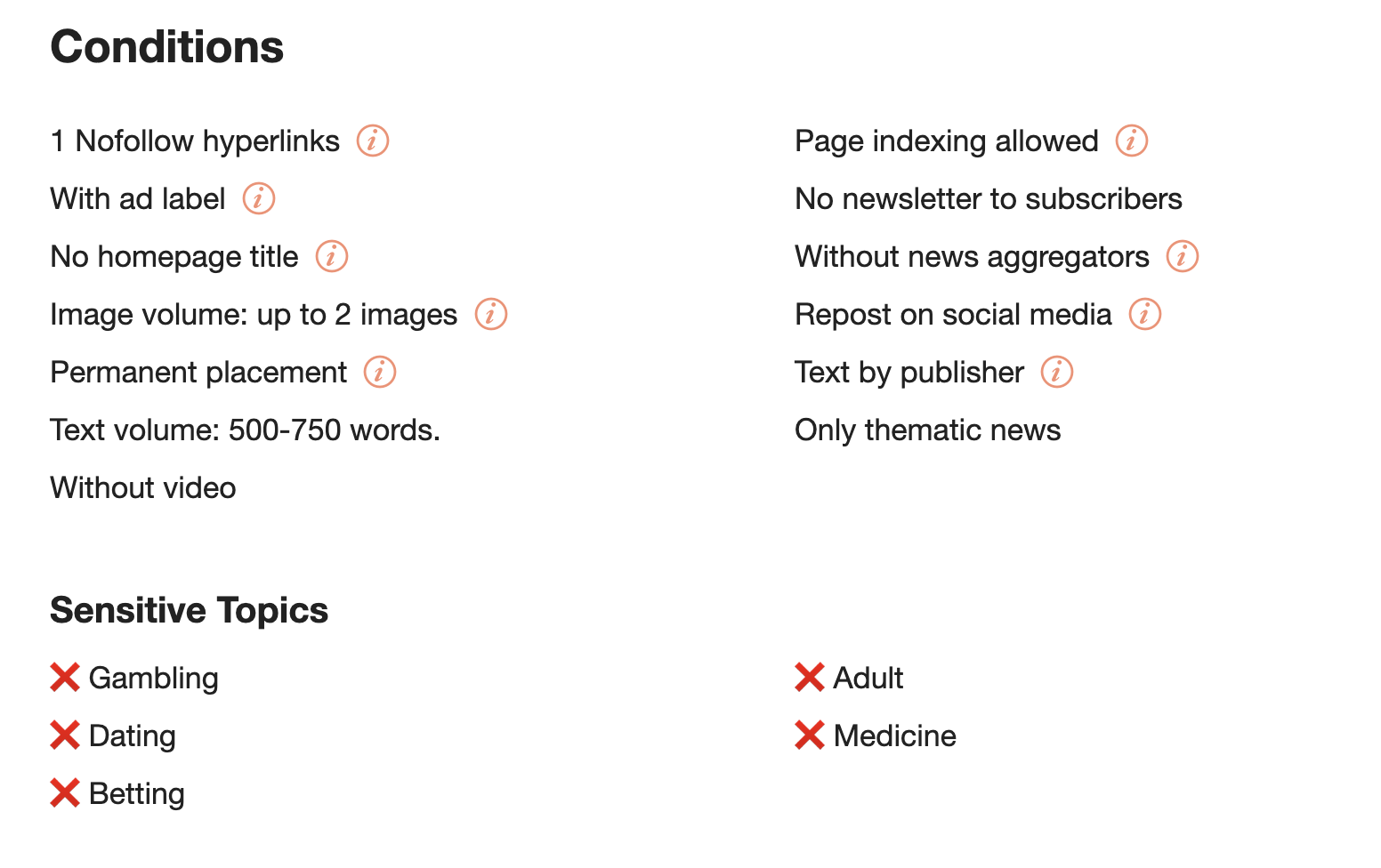
Step 2: Read Detailed Conditions
For each media outlet, review the publication’s specific conditions, such as content guidelines, pricing, and deadlines. Ensure your article aligns with the outlet’s editorial standards.
Step 3: Pay for Your Chosen Outlet
Once you’ve selected a media outlet, proceed to payment. PRNEWS.IO offers transparent pricing with no hidden fees. Read more: Easy Payments for PRNEWS.IO services: multicurrency, separate payment profiles, linked accounts, and more
Step 4: Submit Your Article
Upload your prepared article or enlist PRNEWS.IO’s content creation services to craft a compelling piece. Double-check your content for accuracy, clarity, and adherence to the outlet’s requirements.
Step 5: Wait for Publication
After submission, the PRNEWS.IO team will handle the publishing process. You can track the status of your publication in your account dashboard. For more detailed instructions: How to Use PRNEWS.IO: Where to Start and How to Maximize the Effect of Its Use?
Using a PR platform offers the benefits of access to a global media network, allowing journalists and human rights organizations to publish their content, reach a wider audience, and raise awareness about human rights, climate change, and social justice. PRNEWS.IO makes it easier for journalists to connect with like-minded people and ensure their messages are heard.
Don’t neglect – contact us right now!