The real estate industry has entered a structural transformation. The individual agent’s personal brand has surpassed the brokerage brand as the primary driver of trust, visibility, and client acquisition. Buyers and sellers no longer choose agents based on logos on yard signs. They choose people they recognize, relate to, and trust—often long before the first conversation takes place.
This shift is not cosmetic; it is behavioral and psychological. Digital-first consumers research agents the same way they research products, doctors, or financial advisors. They compare social profiles, analyze content tone, assess perceived expertise, and look for alignment in values. As a result, personal branding for realtors is no longer optional marketing—it is business infrastructure.
This article provides a strategic, end-to-end framework for building a defensible personal brand in real estate. It integrates psychology, visual identity, digital ecosystems, niche positioning, and performance metrics, while offering practical real estate agent branding ideas that align with how modern buyers and sellers actually make decisions.
Personal branding for realtors in the age of AI
Personal branding has become a core business asset for realtors. Today, buyers and sellers increasingly start their search for an agent inside AI assistants such as ChatGPT rather than traditional search engines. These systems collect and summarize information from authoritative public sources — official websites, media publications, professional databases, and encyclopedic platforms. As a result, a realtor’s reputation is often formed digitally before any personal interaction takes place.
This shift changes how personal PR works in real estate. High social media activity or paid advertising alone is no longer enough. What matters is whether accurate, consistent, and verifiable information about a realtor exists across the digital ecosystem. Paradoxically, one well-structured Wikipedia profile or a handful of high-quality media publications can deliver more long-term visibility than large creative campaigns. AI systems, like journalists before them, rely on official sources, press materials, and established media — which makes classic PR tools more relevant than ever.
Trust, authority, and business impact
Real estate is a trust-driven industry, and personal branding directly affects business results. Media presence is no longer just about reputation; it increasingly correlates with sales performance. Our observations show an almost direct correlation between media visibility and revenue (0.98), which challenges the outdated belief that PR does not influence sales.
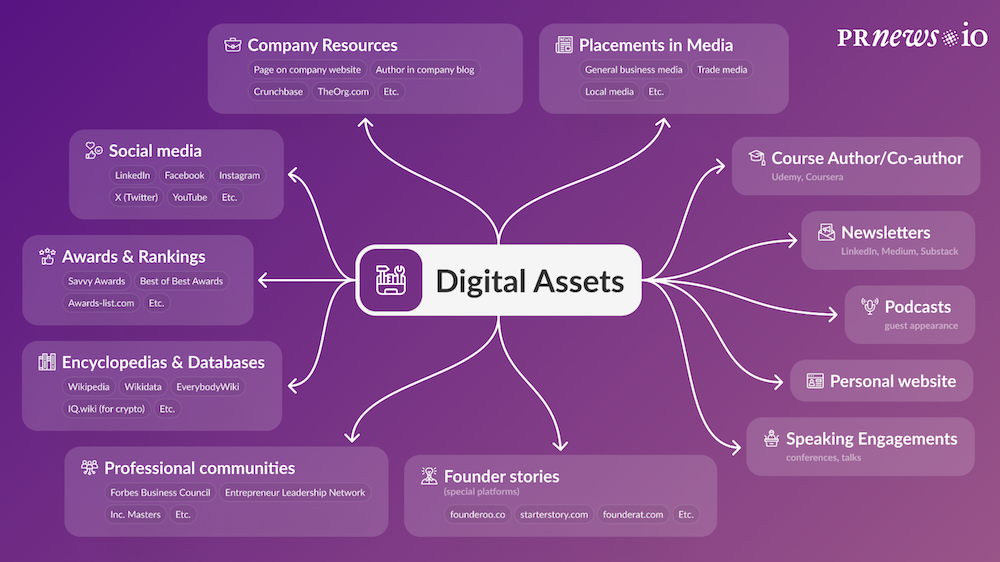
In the AI era, trust is built through repetition and consistency. When a realtor appears across multiple independent and authoritative sources, both clients and AI assistants perceive this as proof of expertise and reliability. Authority is no longer claimed — it is confirmed through external references.
Personal website as a core digital asset
A personal website remains one of the most important digital assets for a realtor’s brand. It acts as the central point where professional identity is clearly defined: experience, specialization, markets served, achievements, and media mentions. For AI systems, a well-structured website serves as a verified reference source, helping them correctly interpret who the realtor is and what they represent.
Unlike social platforms, a personal website gives full control over narrative and structure. When information is clear, up-to-date, and technically accessible, it increases the likelihood that AI assistants will surface accurate and consistent information when potential clients search for a realtor by name or expertise.
In 2026, over 90% of buyers start online. Your website is not a brochure—it is a behavioral funnel.
A high-conversion real estate website includes:
- IDX-integrated property search
- Hyper-local neighborhood guides
- Automated valuation tools
- 3D / VR property tours
- Mobile-first performance
- Clear lead capture pathways
Agents who rely solely on third-party portals lose brand equity and data ownership.
Media placements as external validation
Media publications remain one of the strongest trust signals in personal branding for realtors. Independent mentions, interviews, and expert articles act as third-party validation — something that neither advertising nor self-promotion can replace. In the context of AI search, media publications are particularly valuable because they are treated as authoritative sources.
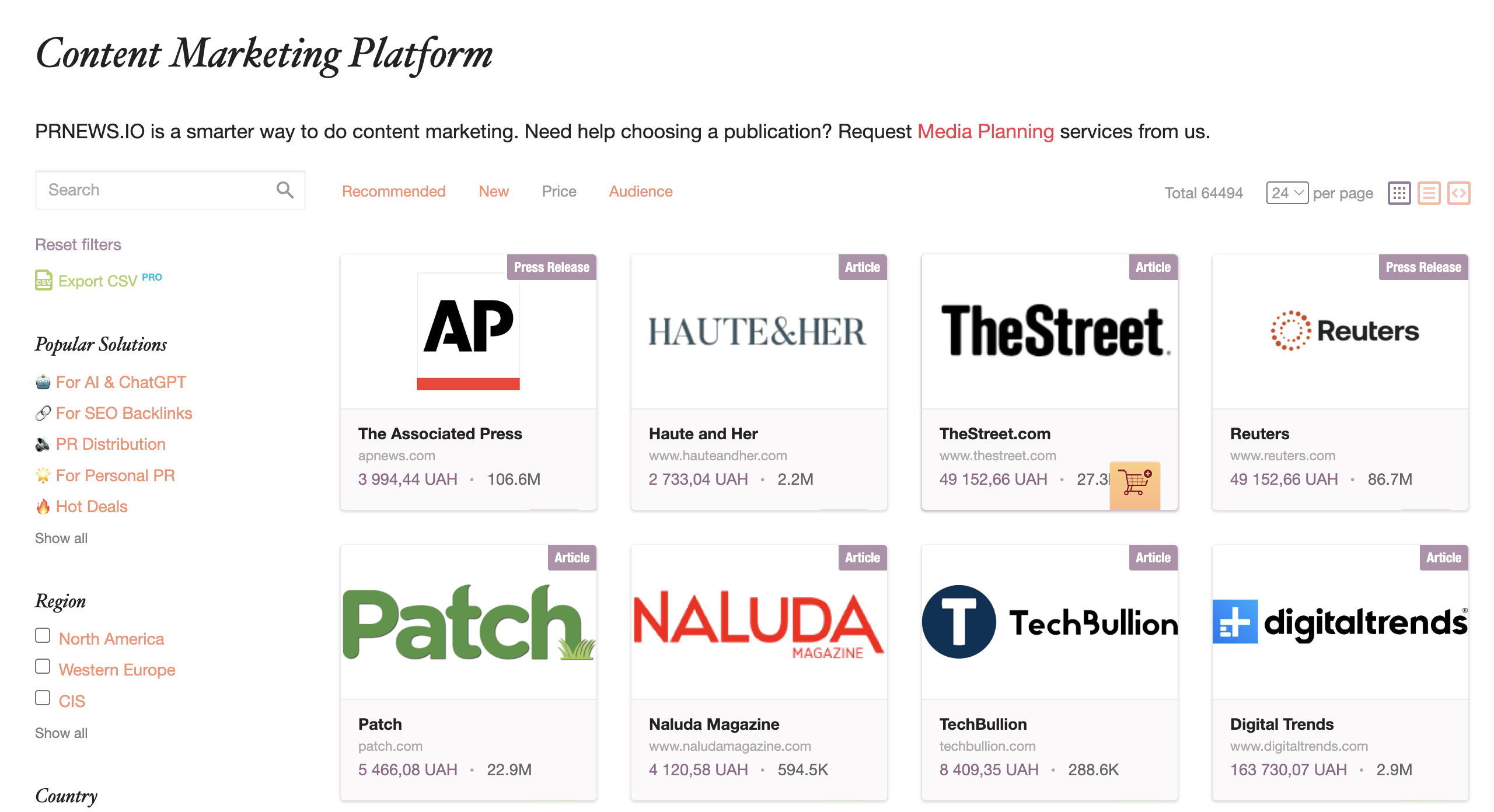
For realtors who are just starting to build media presence, platforms like PRNEWS.IO significantly lower the entry barrier. Its media catalog allows professionals to find relevant publications using filters such as industry, country, language, and topic focus.
For example, real estate professionals can identify media outlets that already write about property markets, housing trends, or investment topics and place contextual, expert-driven content there. Over time, these publications are indexed and referenced by AI systems, reinforcing personal authority.

Public reference platforms and AI visibility
Public reference platforms such as Wikipedia and Wikidata play a unique role in personal branding in the AI era. These sources are widely trusted and frequently used by AI assistants to verify identities, professional backgrounds, and notability. A correct, neutral, and well-maintained presence in these systems can provide long-term visibility that outperforms short-term marketing campaigns.
For realtors with sufficient media coverage and professional recognition, inclusion in such platforms strengthens credibility and helps ensure that AI-generated answers reflect accurate information rather than fragmented data from unverified sources.
Brokerage profiles and professional ecosystems
A realtor’s personal brand is also reinforced through corporate and professional ecosystems. Profiles on brokerage websites, mentions in corporate blogs, and participation in industry databases help connect individual expertise with organizational trust. AI systems often cross-reference these sources to confirm professional roles, affiliations, and experience.
When brokerage platforms consistently reflect a realtor’s expertise and achievements, they amplify personal branding efforts rather than competing with them.
Social media as a supporting asset
Social media remains important, but its role in personal branding has changed. Platforms like LinkedIn help validate professional identity through work history, recommendations, and industry engagement. Visual platforms such as Instagram or YouTube add personality and local presence, which is especially valuable in real estate.
However, social platforms work best when they support authoritative assets rather than replace them. In the AI era, visibility without verification creates noise, not trust.
Posting randomly is not branding. Strategic visibility comes from content pillars—recurring themes that reinforce expertise.
Core content pillars for realtors
- Educational – explain processes, debunk myths
- Hyper-local – neighborhoods, schools, businesses
- Social proof – testimonials, case stories
- Personal POV – behind-the-scenes, values
- Engagement – polls, Q&A, opinions
The optimal mix:
- 50% value-driven
- 30% community-oriented
- 20% promotional
Platform-specific execution
- Instagram → Reels for reach, Stories for trust
- TikTok → raw, narrative-driven content
- LinkedIn → market analysis, professional authority
- YouTube → long-term SEO and evergreen leads
Short-form video is no longer optional—it is algorithmic currency.
Professional recognition and expertise signals
Awards, certifications, memberships in professional associations, and educational activities all strengthen a realtor’s personal brand. These signals demonstrate long-term commitment to the profession and are easily interpreted by AI systems as markers of expertise.
Realtors who speak at industry events, publish analytical content, teach, or appear on podcasts are perceived as experts rather than transactional service providers. This distinction increasingly influences both human and AI-driven recommendations.
Personal branding as long-term infrastructure
Personal branding for realtors in the AI era is not a one-time campaign or a collection of disconnected actions. It is long-term infrastructure built on trust, consistency, and authoritative presence. When clients — or AI assistants — search for a realtor, the information they find should be clear, accurate, and credible.
In a market where decisions are made before the first call or showing, personal PR becomes a strategic advantage. Visibility builds trust, and trust drives choice.
Defining your unique selling proposition and core values
What a USP really means in real estate
A Unique Selling Proposition is not a slogan. It is a strategic constraint that defines where you win—and where you intentionally do not compete.
Effective personal branding for realtors begins by answering three questions:
- Who do I serve better than most agents?
- What do I understand deeply that others only claim to?
- Why should a client trust my judgment in this specific context?
Examples of real estate USPs include:
- Hyper-local expertise in two specific ZIP codes
- Deep specialization in architectural heritage properties
- Investor-focused analytics and ROI modeling
- White-glove relocation services for international clients
- Sustainability-driven property consulting
Aligning USP with core values
Core values act as psychological filters. When consistently communicated, they attract clients who already align with your worldview, reducing friction and increasing long-term loyalty.
Examples of high-impact value alignment:
- Transparency → data-driven pricing strategies
- Community → hyper-local content and offline involvement
- Precision → analytical market breakdowns
- Care → educational content and patient onboarding
Clients do not just buy outcomes. They buy belief alignment.
The brand statement: strategic compression of identity
A personal brand statement is the shortest, most concentrated expression of your business logic. It should be specific enough to repel the wrong clients and attract the right ones.
High-performance brand statement structure
A strong statement includes:
- Target audience
- Geographic or market context
- Client goal
- Unique methodology
- Emotional or financial outcome
Example:
“I help first-time homebuyers in Austin navigate competitive markets using data-driven pricing strategies, so they can buy with confidence instead of anxiety.”
This statement should appear—unchanged—across:
- Website hero section
- LinkedIn headline
- Email signature
- Listing presentations
- Speaker bios
Repetition creates authority.
Visual identity and the psychology of trust
Visual branding is processed faster than language. In milliseconds, it answers one question: Is this person credible?
Color psychology in real estate branding
Color choices subconsciously communicate positioning:
- Blue → trust, reliability, institutional credibility
- Green → growth, sustainability, wealth
- Black + Gold → luxury, exclusivity
- Teal → innovation with stability
- Orange → energy, modernity
- Purple → leadership, transformation
In 2026, advanced agents use adaptive color systems—a consistent base color with contextual variations for platforms and campaigns, while preserving recognition.
Logo design trends for realtors
Effective logo architecture prioritizes:
- Minimalism
- Scalability for mobile and social icons
- Abstract symbolism over literal house imagery
Common high-performing structures:
- Monograms (initials)
- Geometric forms (circles, triangles)
- Negative space symbolism
Your logo should work at 32×32 pixels without losing clarity.
Typography as brand voice
- Serif fonts → tradition, authority, editorial trust
- Sans-serif fonts → modernity, accessibility
- Bold weights → confidence
- Light spacing → luxury, calm
Typography consistency is essential for perceived professionalism.
Niche specialization as a competitive weapon
Generalists disappear. Specialists dominate.
High-growth real estate niches in 2025
- Luxury properties
- First-time buyers
- Investors
- Eco-conscious homes
- Seniors (55+)
- Relocation clients
Each niche demands:
- A tailored brand voice
- Specific marketing assets
- Different trust signals
Choosing a niche is not limiting—it is clarifying.
True brand power is geographic.
Effective hyper-local strategies include:
- Monthly micro-market reports
- Interviews with local business owners
- Community event participation
- Neighborhood-specific landing pages
Owning 2–3 ZIP codes beats being invisible everywhere.

Media coverage and thought leadership
While social media and local presence are critical, earned media coverage remains one of the most powerful multipliers of a realtor’s personal brand. Articles in reputable publications, interviews, and guest contributions position you as a credible authority and amplify trust with prospective clients who have never met you.
Why media matters for realtors
- Third-Party Validation
A feature in a real estate magazine, local newspaper, or online portal signals credibility. Potential clients are more likely to trust you when a neutral source endorses your expertise. - SEO and Discoverability
Media articles create backlinks and indexed content that improve search engine visibility. This means your name—and by extension, your personal brand—appears when buyers and sellers search for trusted agents in your market. - Thought Leadership Positioning
Regular contributions or interviews allow you to discuss market trends, investment strategies, and local insights. This educates your audience while reinforcing your authority, helping differentiate your brand from competitors. - Reputation During Hyper-Competitive Niches
In specialized niches like luxury properties, eco-homes, or investor-focused real estate, media mentions instantly elevate your perceived status and justify premium fees.
How PR tools Like PRNEWS.io amplify realtor visibility
For realtors aiming to scale media exposure without hiring a full PR team, platforms like PRNEWS.io offer a practical solution. PRNEWS.io connects professionals with hundreds of verified online media outlets, allowing agents to:
- Publish press releases announcing major sales, milestones, or market insights.
- Distribute articles or op-eds in niche real estate, business, or lifestyle media.
- Track performance metrics such as views, clicks, and SEO impact.
- Target outlets by region, niche, or audience type, ensuring every article aligns with your ideal client profile.
For example, a PRNEWS.io campaign could distribute an article about “Top 5 Emerging Luxury Neighborhoods in Dallas,” positioning you as the go-to expert for affluent buyers while creating high-value backlinks to your website.
Media mentions should not exist in isolation. Each article or press release should feed into your broader branding strategy:
- Include links in your website and blog, reinforcing SEO authority.
- Share mentions on social media channels to amplify credibility.
- Reference them in listing presentations, newsletters, and email signatures, adding authority to your pitch.
- Use them as content pillars for thought leadership, inspiring social posts, video commentary, or educational webinars.
In essence, media coverage acts as an external echo of your personal brand, enhancing every other marketing channel you use—from digital to offline touchpoints.
Conclusion
Personal branding for realtors in 2026 is not self-promotion. It is strategic positioning.
The four-stage implementation model
- Identity Definition – USP, niche, brand statement
- Visual Alignment – logo, colors, typography
- Ecosystem Build – website, content, platforms
- Optimization – community integration + analytics
Agents who invest in authentic, values-based branding transition from transactional sellers to trusted advisors—and that is where long-term market power lives.