Television news is no longer the only screen in the room. Video journalism now spans broadcast networks, streaming platforms, YouTube channels, and social feeds — and the best practitioners are those who have learned to command all of them. The journalism crisis of the 2010s — collapsing ad revenue, shrinking newsrooms, the rise of misinformation — did not kill video journalism. It sharpened it. The reporters who survived and thrived did so by producing work that audiences could not easily dismiss or replace.
What does excellent video journalism actually change? In 1972, two reporters from The Washington Post produced reporting that brought down a presidency. In 2011, a single correspondent’s access to revolutionary leaders shaped how the world understood the Arab Spring. That is the upper bound — but it is a useful one. The best video journalists don’t just report events; they shift the frame through which their audience understands the world.
This list covers ten video journalists working across television, documentary, digital, and international news. Selections were made on the basis of methodology, demonstrable impact, and the breadth of experience they offer readers who want to understand what serious video journalism looks like at its best.
The Top 10 influential and inspiring Video Journalists
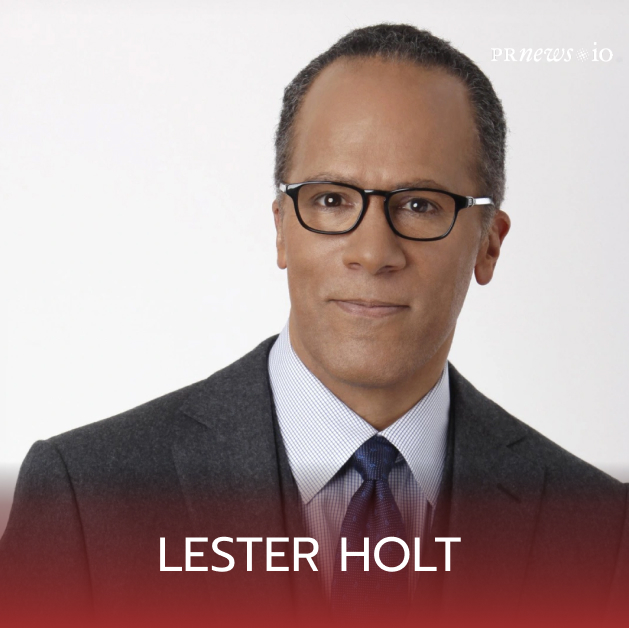
Lester Holt — NBC News
Lester Holt has anchored NBC Nightly News since 2015 and remains one of the most-watched broadcast journalists in the United States. What distinguishes Holt is not merely tenure but range: over a career that began in local television and moved through CBS before landing at NBC, he has covered everything from domestic politics to international conflict with a consistent and disciplined evenhandedness. In 2019 he was awarded the Walter Cronkite Award for Excellence in Journalism — peer recognition that reflects not just his profile but the standards his work holds itself to. For readers who want to understand what professional broadcast journalism looks like at the network level, Holt’s work is the clearest available benchmark.
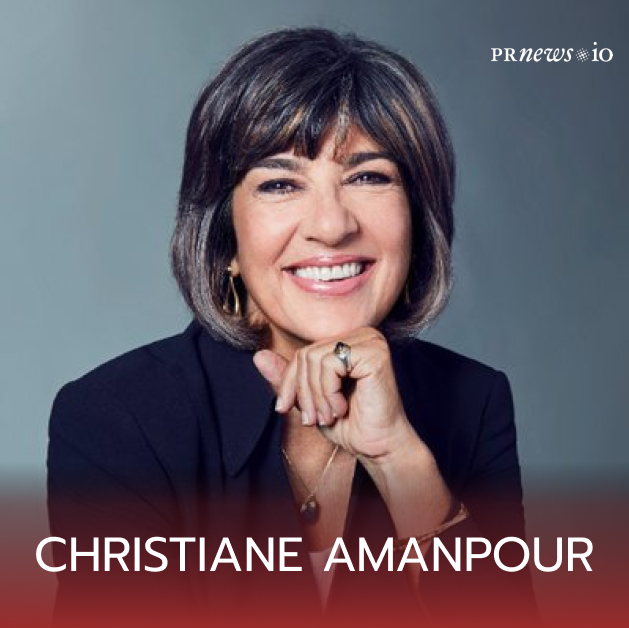
Christiane Amanpour — CNN International
Youtube | Instagram | Facebook
Amanpour is perhaps the most decorated active war and foreign affairs correspondent in television journalism. Her defining contribution is methodological: she pioneered what she has called “truthful, not neutral” reporting — a stance that rejects false balance while demanding the highest standards of verification. During the Arab Spring, she became the only Western television correspondent to secure interviews with multiple revolutionary leaders across the region, shaping how global audiences understood a pivotal historical moment. She serves on the board of directors of the Committee to Protect Journalists, making her influence felt not only through her own reporting but through the structural protection of the broader profession. Readers interested in international affairs, conflict reporting, or the ethics of objectivity will find no better working practitioner to study.
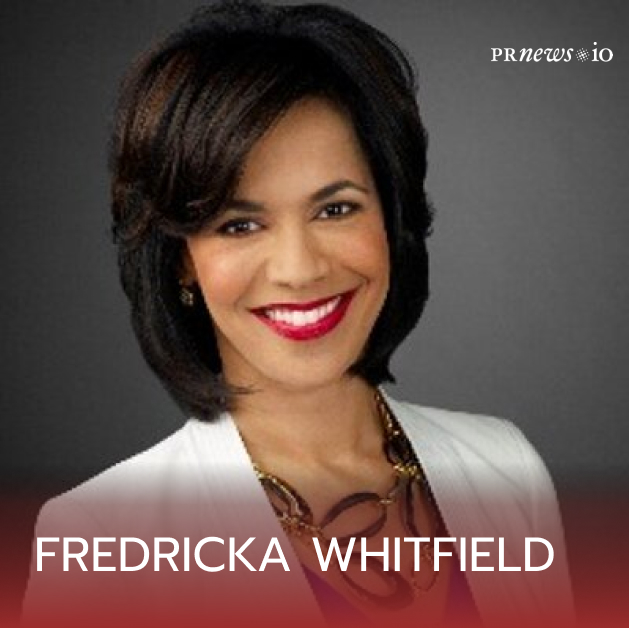
Fredricka Whitfield — CNN
Fredricka Whitfield has built one of the most durable careers in American cable news by mastering a skill that is harder than it looks: interviewing under live conditions with no safety net. As a weekend anchor and breaking-news host at CNN, she has covered every major domestic news cycle of the past two decades, and her ability to hold complex, often adversarial interviews without losing either control or fairness has earned her a reputation among peers that her public profile understates. For journalists studying the craft of live television — pacing, question construction, composure — Whitfield’s archive is a working manual.
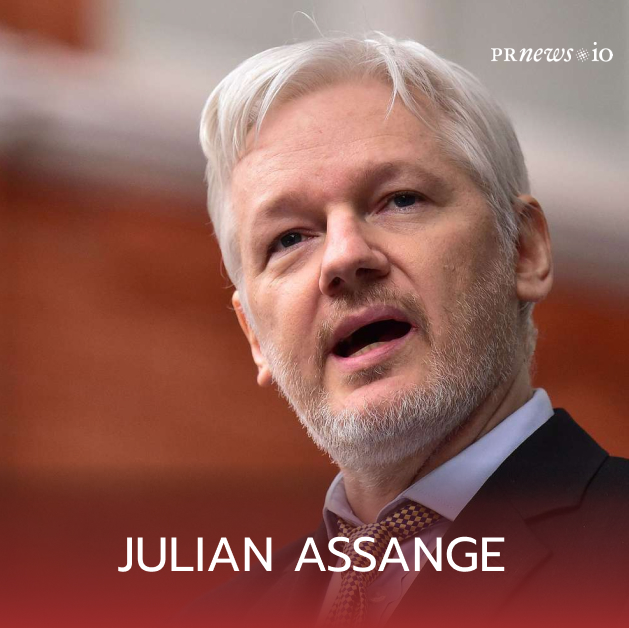
Julian Assange — WikiLeaks
Whatever one’s view of Assange’s methods, his impact on video journalism and investigative reporting is impossible to ignore. As the founder and editor-in-chief of WikiLeaks, he built a publishing infrastructure that made previously classified government and military material available to the public and to partner news organizations worldwide — releasing evidence of war crimes, diplomatic cables, and surveillance operations that no single journalist could have obtained through conventional means. He spent seven years in asylum at the Ecuadorian embassy in London before his arrest, and faced 175 years in potential US prison time. His case defines the current legal frontier for journalists covering national security. For anyone working in investigative video journalism or documentary, understanding Assange’s methodology and the legal consequences it triggered is essential professional context.
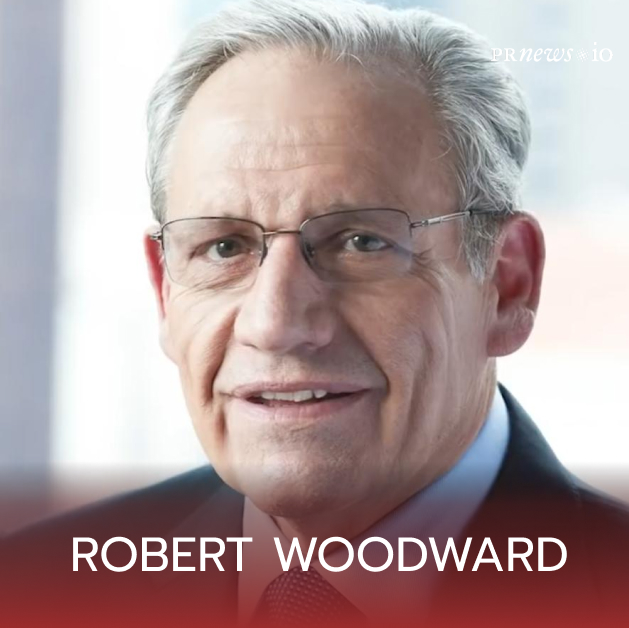
Bob Woodward — The Washington Post / Author
Woodward’s investigation of the 1972 Watergate scandal alongside Carl Bernstein remains the most consequential act of investigative journalism in the medium’s modern history. Their reporting directly contributed to a presidential resignation and earned both reporters the Pulitzer Prize for Public Service in 1973. In the decades since, Woodward has continued producing deep-access reporting on every presidential administration, establishing a methodology — long-term source cultivation, meticulous documentation, and extended access — that has influenced a generation of investigative journalists. His career is the clearest answer available to the question: what does investigative journalism at its most effective actually look like?
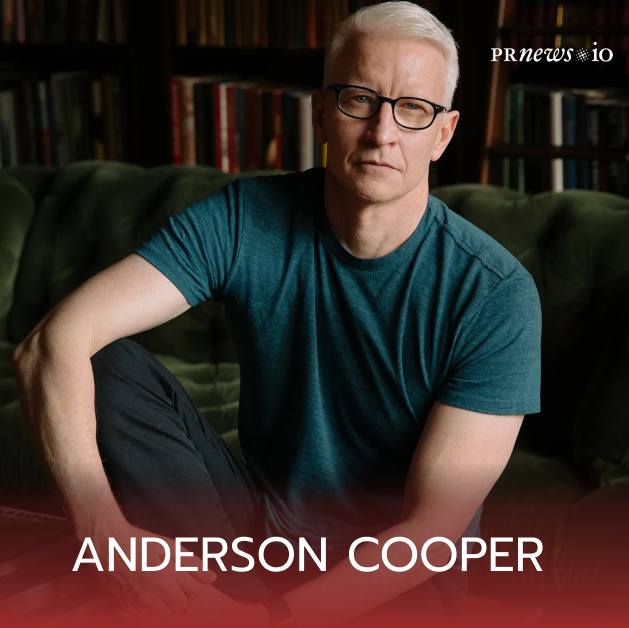
Anderson Cooper — CNN
Cooper’s distinguishing characteristic is willingness to report from places where other correspondents have left. His coverage of the 2004 Sri Lanka tsunami, the Lebanon crisis, and — most memorably — his sustained presence in New Orleans during and after Hurricane Katrina established him as a reporter who treats proximity to disaster as a professional obligation rather than a risk calculation. Signing a long-term contract with CNN in 2007 that made him a fixture of primetime while retaining a contributing role at 60 Minutes, Cooper represents the model of the correspondent who maintains field credibility while building institutional reach. For video journalists thinking about how to build a career that stays both grounded and visible, his trajectory is instructive.
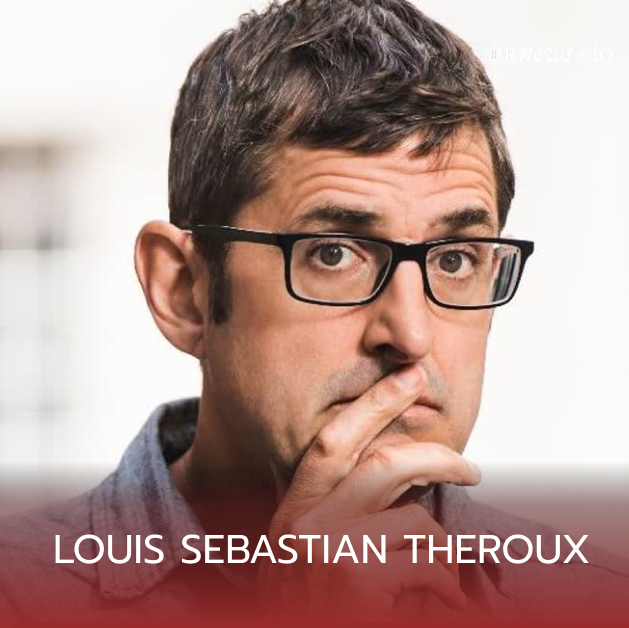
Louis Theroux — BBC / Documentary
Theroux’s contribution to video journalism is fundamentally methodological. His documentary approach — extended immersion with subjects across a deliberately wide range of subcultures, from white supremacists to pornography producers to families living with dementia — produces access that conventional journalism rarely achieves. He does this not through confrontation but through what might be called weaponized naivety: a genuine curiosity that disarms subjects over time and produces moments of unusual candour on camera. Named Best TV Presenter by the Royal Television Society in 2002, and a two-time BAFTA recipient, Theroux has demonstrated that the most revelatory video journalism often emerges from patience rather than pressure.
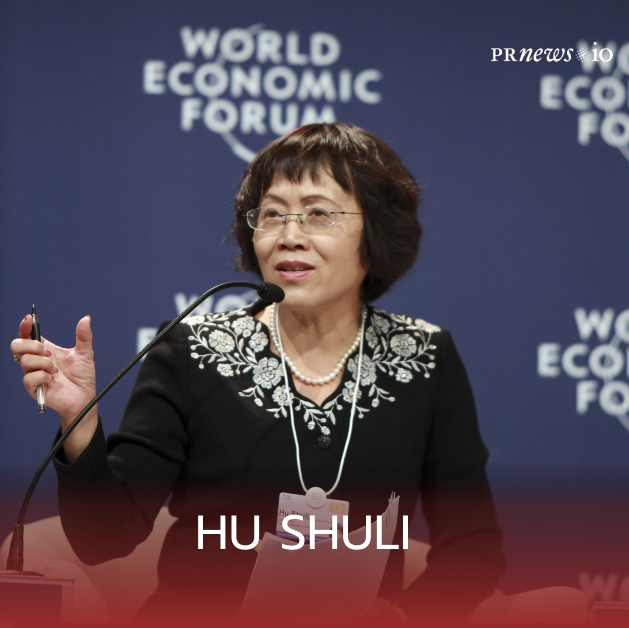
Hu Shuli — Caixin Media
Hu Shuli is the editor-in-chief of Caixin Media and the most influential financial journalist in China. She built Caixin into a publication that has broken stories on corporate fraud, regulatory failures, and government misconduct in a media environment where doing so carries substantial professional and personal risk. Her career — moving from reporter to editor over decades — represents a model of journalism that treats economic accountability as a public service. For readers covering emerging markets, Asian finance, or the relationship between journalism and state power, Hu Shuli’s work and Caixin’s methodology offer a perspective unavailable anywhere in Western media.
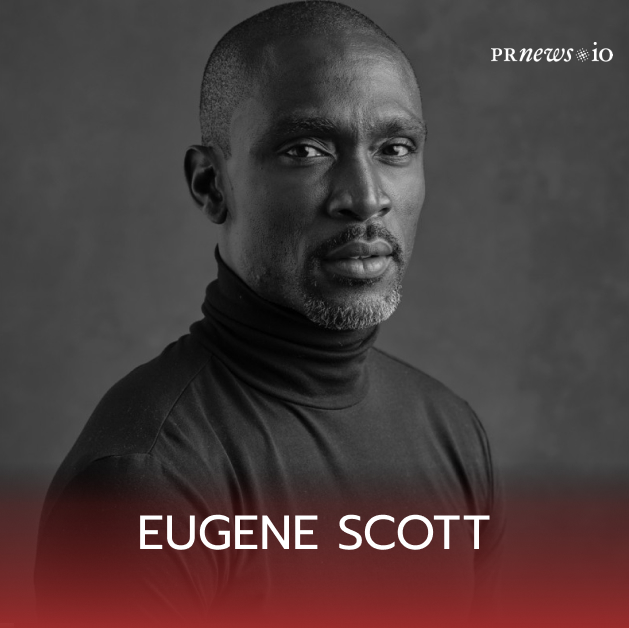
Eugene Scott — Political Reporter
Scott’s reporting on race and politics in the United States, produced during his tenure at CNN Politics, brought a distinct analytical lens to coverage of identity, representation, and systemic inequality. His participation in the documentary series “The First Time I Realized I Am Black” generated substantial public discussion and demonstrated that personal testimony, when deployed with journalistic rigour, can produce coverage that purely observational reporting cannot. Scott represents a generation of journalists who have expanded what political reporting is permitted to examine — and who their audiences can be.

Shereen Bhan — CNBC-TV18
Bhan is the managing editor of CNBC-TV18 and one of the most authoritative business journalists in South Asia. As creator and host of Young Turks — one of the longest-running entrepreneurship programmes in Indian broadcasting — she has interviewed presidents, central bank governors, and founders across more than two decades of India’s economic transformation. Her work has shaped how international investors and policymakers understand the Indian market. For journalists covering emerging economies, or readers interested in how financial journalism functions at the intersection of politics and markets, Bhan’s career offers a model with few Western equivalents.
How to engage with video journalists
Landing coverage from any of the journalists listed above requires more than a strong story. It requires an understanding of how they work, what they value, and what immediately disqualifies a pitch. Here is what the evidence from working journalists and media relations professionals consistently shows:
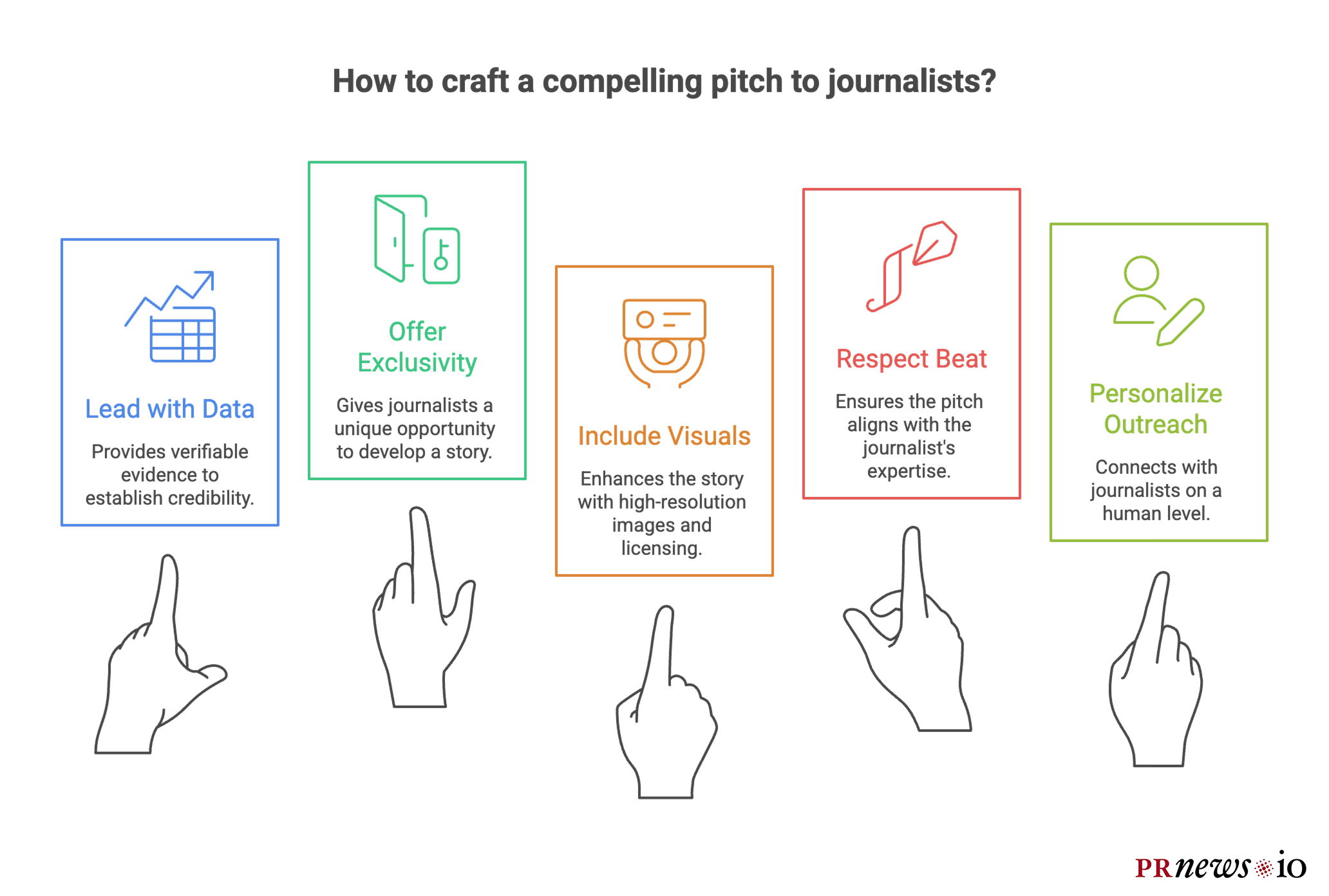
Lead with a specific and falsifiable claim. Video journalists — especially those at the investigative or broadcast level — are not looking for angles; they are looking for verifiable facts. The most effective pitches open with one concrete, specific, and documented claim, not with context or background. If you cannot open your email with a sentence that stands on its own as news, the pitch is not ready.
Match your pitch to the journalist’s demonstrated beat. Every journalist on this list has a clearly defined area of coverage. Pitching Hu Shuli on a story unrelated to finance or Chinese regulatory affairs is a category error that signals you have not read her work. Before contacting any journalist, read their last ten published pieces. Their actual coverage is the most reliable guide to what they will consider.
Do not confuse access with a story. The most common mistake in journalist outreach is offering access to a person or organization as if access were itself the story. “Our CEO would be happy to speak with you” is not a pitch. The story is what the CEO knows or has done that the journalist’s audience does not yet know. Lead with that.
Respect the timeline reality. Broadcast and cable journalists operate on daily cycles; documentary and investigative journalists may take months or years to develop a story. A journalist working on a long-form investigation is not unresponsive — they are working. Follow up once, after two weeks, with new information if you have it. Do not interpret silence as an invitation to persist.
Protect your credibility above all else. A single inaccurate pitch — a claim that turns out to be wrong, a document that proves to be misleading — ends your relationship with that journalist permanently. Every piece of documentation you provide should be something you are prepared to stand behind under scrutiny.
What to avoid: Embargoed pitches sent to multiple journalists simultaneously. Pitches that include the phrase “exclusive” without honouring it. Requests for advance review of unpublished coverage. Any communication that implies editorial pressure or suggests that advertising relationships should influence coverage.
Realistic timeline expectations: Breaking-news pitches, if strong, may move within hours. Feature pitches at national outlets should expect a two-to-four week response window at minimum. Investigative leads, if taken up at all, may not produce published coverage for months. Managing stakeholder expectations around these timelines is often as important as the pitch itself.
A parallel track: controlled distribution while you build editorial relationships
Earning coverage from a journalist of the calibre described above is genuinely difficult — and that difficulty is precisely what makes it valuable. An editorial mention in a publication these journalists work for carries weight precisely because it cannot be bought. That reality, however, does not mean you have no options while you work to build those relationships.
PRNEWS.IO offers a parallel distribution track with a fundamentally different function. Where earned media depends on editorial judgment, PRNEWS.IO operates on a guaranteed-publication model: you select outlets from a verified media catalogue, purchase placement, and receive confirmed publication within a defined timeline, with no editorial approval dependency. This is not a substitute for earned coverage — it is a different tool designed for a different purpose.

The platform’s most useful feature for organisations working in specific verticals is its industry-filter system within the media catalogue, which allows you to identify and select verified, niche-relevant outlets rather than distributing to a generic list. Placements are indexed and carry do-follow link structures, meaning they contribute to search visibility in ways that pure media relations activity does not.

Sophisticated communications operations use both tracks in parallel: PRNEWS.IO for controlled, time-sensitive visibility around product launches, funding announcements, or market entries; earned editorial relationships for the long-term reputational work that no amount of paid placement can replicate. The mistake is treating them as alternatives. They answer different questions: “Can we guarantee coverage of this announcement?” and “Can we build credibility that compounds over time?” are not the same question, and they should not be answered with the same tool.
Conclusion: what the best video journalists have in common
The ten journalists profiled here work across continents, formats, and decades. What they share is not geography or medium but a consistent refusal to treat journalism as a delivery mechanism for information that already exists. The best video journalists find what is not yet known, verify it, and put it in front of audiences who need to understand it — and they do this under conditions that would make most people stop.
This list reflects the state of the field as of early 2026. The landscape will change: new voices will emerge, formats will shift, and the definition of what counts as video journalism will continue to expand as platforms evolve. We will update this guide when the evidence warrants it, and we welcome nominations from readers who believe a significant voice has been overlooked.
The best video journalists working today are not just reporters. They are the people keeping public accountability alive in an environment that makes doing so increasingly difficult. That is worth knowing about.