The technology media landscape has never been more fragmented — or more consequential. A decade ago, a handful of publications set the agenda for the entire industry. Today, readers navigate an ecosystem of legacy mastheads, independent newsletters, video essays, and platform-native reporting, each operating under different incentives and serving different audiences. The journalists who actually move the needle — whose reviews shift consumer behaviour, whose investigations trigger regulatory action, whose analysis shapes how investors and founders think — remain a surprisingly small group inside a very large noise machine.
The stakes of finding the right journalists to follow are measurable. A single in-depth review in the right outlet can define whether a product is seen as category-defining or derivative. A well-reported investigation can catalyse policy change. Poor or indifferent coverage can relegate a genuinely innovative product to obscurity regardless of its technical merit.
This guide profiles ten working journalists whose technology coverage has demonstrably shaped how their audiences understand and engage with the industry. The selection spans print, digital, broadcast, and newsletter formats; it covers hardware, software, platform policy, and cultural criticism; and it represents a range of editorial approaches from consumer-focused product review to structural economic analysis. Inclusion was based on specificity of contribution, not volume of output or scale of following.
Top 10 technology journalists
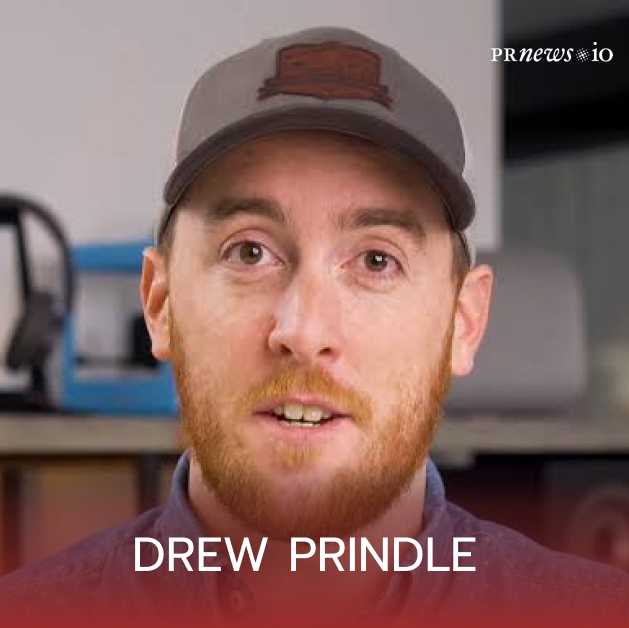
Drew Prindle – Senior Features Editor
Drew Prindle owns Digital Trends’ voice on emerging technology — the kind of beat that lives at the intersection of near-future science and daily consumer life. His pieces do not merely announce what is new; they build a case for why it matters.
His award-winning work ranges across science, innovation, and speculative technology. One hallmark of his methodology is accessibility: complex systems are unpacked without sacrificing accuracy, a skill that distinguishes features editors from standard reviewers. He has covered topics as disparate as neural interfaces and kitchen robotics using the same standard — does this actually change how people live?
Most useful for: hardware and consumer-tech companies seeking coverage that reaches a technically curious general readership rather than specialist engineers.

Alex Hern – Technology Editor · The Guardian
As Technology Editor at The Guardian, Alex Hern shapes one of the most widely read English-language tech desks in the world. His editorial fingerprints are visible across the publication’s tech output: cleaner structure, sharper sourcing, and a consistent preference for restraint over hype.
Hern’s most significant contributions have come in platform accountability reporting — including nuanced coverage of the Apple-Epic dispute and TikTok’s regulatory exposure. His approach is to treat technology policy as seriously as financial or political policy, a stance that has elevated The Guardian’s standing in a space long dominated by US-based titles.
Most useful for: companies operating in regulated or policy-adjacent sectors — platform governance, data privacy, digital markets — where credible international coverage matters.

Erin Griffith – Technology Reporter · The New York Times
Few reporters understand the internal machinery of start-up culture — its funding dynamics, its mythology, and its failures — as clearly as Erin Griffith. Her decade of experience at Fortune, WIRED, and Adweek before joining the Times gave her an unusually broad map of the venture capital ecosystem.
Her Fortune column ‘Boom with a View’ won a SABEW Commentary award in 2017 and a National Headliner award in 2016, peer recognition that reflects both her analytical depth and her willingness to take positions in a space where many journalists hedge. At the Times, she has applied this same directness to coverage of growth-stage start-ups and Silicon Valley culture.
Most useful for: later-stage start-ups and VC-backed companies seeking a reporter who will engage seriously with business model and market positioning — not just product features.

Dan Seifert – Deputy Editor · The Verge (Vox Media)
Dan Seifert has built a reputation as one of the most trustworthy voices in consumer hardware review journalism, a space where breathless enthusiasm is the norm and critical rigour is rare.
His Samsung Galaxy Watch 3 review demonstrated his methodology clearly: while most outlets ran benchmark-led endorsements, Seifert diagnosed structural stagnation in the wearables category — insufficient innovation in the virtual assistant, an underdeveloped app library — and said so plainly. This willingness to challenge the dominant narrative of each product cycle is what has made him a reference point for readers making real purchase decisions.
Most useful for: consumer electronics companies that want critical engagement rather than surface coverage — and whose products can withstand serious scrutiny.

Joanna Stern – Senior Personal Technology Columnist · The Wall Street Journal
Joanna Stern occupies a distinctive position at the WSJ: she translates the consequences of technology decisions — by manufacturers, carriers, and platform owners — into terms that matter to people who do not follow tech professionally.
Her 5G rollout coverage and TikTok geopolitics analysis exemplify her range. But her most consistent value is in practical, instructional journalism — guides to navigating real-world problems created by new technology — that earns loyalty from a broad readership not typically served by the WSJ’s finance-oriented editorial identity.
Most useful for: consumer-facing products and services where the target audience is mainstream rather than enthusiast — and where practical use cases, not technical specifications, drive adoption.
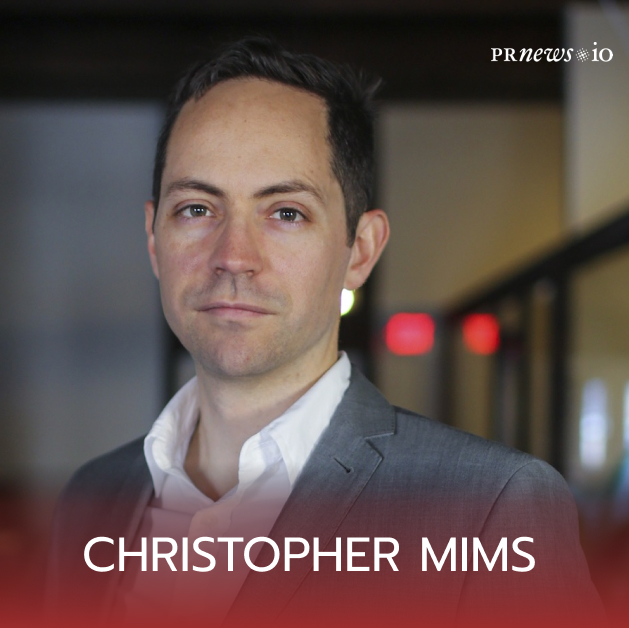
Christopher Mims – Technology Columnist · The Wall Street Journal
Christopher Mims writes at the intersection of technology and structural economics — how innovation reshapes labour markets, supply chains, and competitive dynamics rather than simply producing better gadgets.
His analysis of remote work and automation accelerated by Covid-19, which examined how technological change was deepening inequality in the American workforce, is representative of his approach: grounding technology coverage in distributional consequences that other journalists treat as secondary. Before the WSJ, he edited Quartz’s technology coverage through 2014, building the analytical voice he has since applied at a larger scale.
Most useful for: enterprise technology companies, automation and infrastructure platforms, and any organisation whose story is more about structural impact than consumer experience.
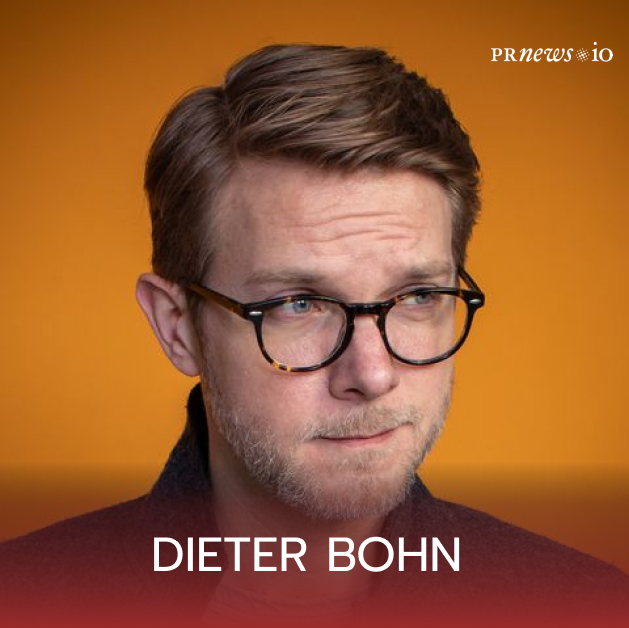
Dieter Bohn – Executive Editor · The Verge
Dieter Bohn is one of the founding editors of The Verge and the person most responsible for establishing its distinctive editorial culture — rigorous but accessible, opinionated but evidenced.
His academic background (BA in English and Philosophy; PhD candidacy in English at Minnesota) and experience at MSNBC, CNN, and NPR give him an unusual range across written, video, and audio formats. He hosts the Processor newsletter, produces the Processor YouTube series, and co-hosts The Vergecast — a cross-format presence that few technology editors have built. His decade-plus of smartphone coverage, dating back to the VisorPhone, gives him a historical depth that distinguishes long-term trend analysis from cycle-by-cycle commentary.
Most useful for: smartphone and mobile platform companies seeking long-form, multi-format coverage from an editor whose audience includes both industry professionals and engaged consumers.
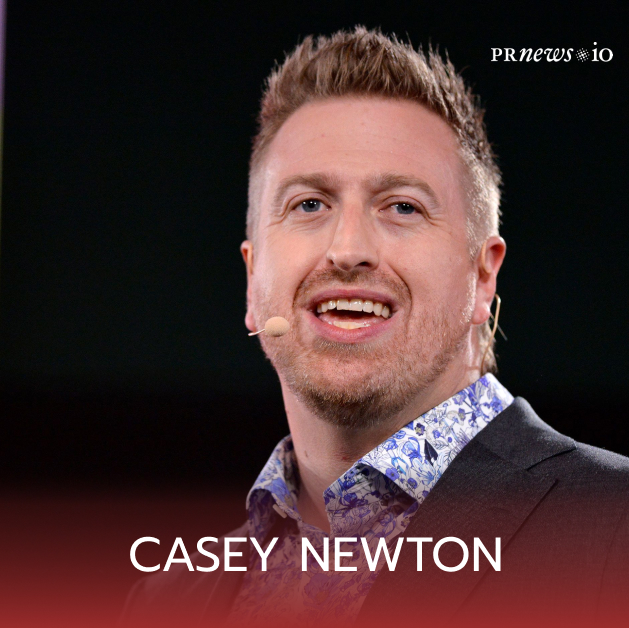
Casey Newton – Founder & Writer · Platformer
Casey Newton left The Verge in 2020 to found Platformer (originally The Interface), a subscriber-supported newsletter that has become the primary publication of record for platform accountability journalism.
With more than 570 issues published and over 20,000 subscribers, Platformer covers content moderation, disinformation, and the political economy of social platforms with a consistency and sourcing depth that few newsrooms match. Two of his investigative series on the working conditions of platform content moderators received ASME nominations — recognition of original reporting, not commentary. His independence from institutional editorial pressures is itself a structural advantage: he can pursue stories about Facebook, TikTok, Google, and Apple without the advertiser considerations that constrain platform-adjacent coverage at larger outlets.
Most useful for: social platforms, content moderation technology, and trust-and-safety products seeking a reporter whose audience is specifically the industry’s most informed observers.
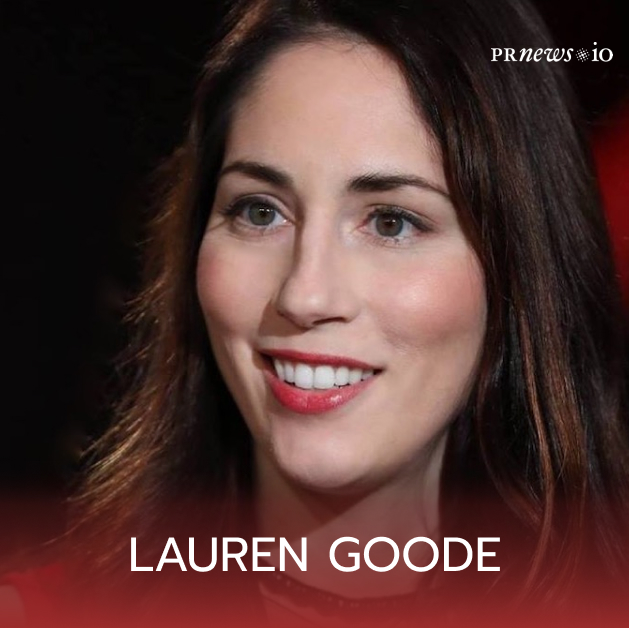
Lauren Goode – Senior Editor · The Verge
Lauren Goode brings a consumer-experience lens to technology coverage that is grounded in a career spanning AllThingsD, Re/code, and the Wall Street Journal Digital Network, where she co-created and co-hosted the ‘Digits’ live-streaming technology programme.
Her writing combines cultural and product analysis — she approaches technology not as a self-contained discipline but as a force that shapes behaviour, relationships, and daily life. A Stanford communications master’s and English undergraduate degree from Clark University underpin a writing practice that is more precise and structurally considered than most product journalism. At The Verge she has developed coverage that serves readers who want to understand both what a product does and what it means.
Most useful for: consumer products and services with cultural or lifestyle dimensions — wearables, social applications, health technology — where audience is broad and motivations are personal rather than professional.
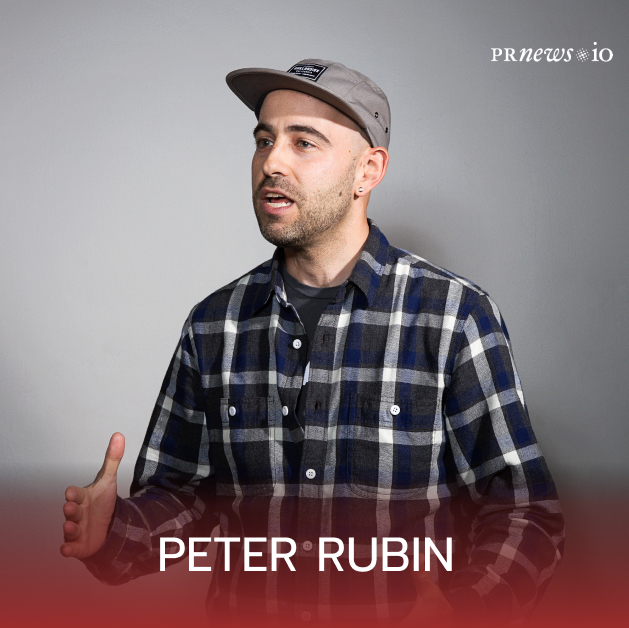
Peter Rubin – Reporter & Critic · WIRED
Peter Rubin has spent more than two decades covering the intersection of culture and technology — a beat he treats as a single subject rather than two that occasionally collide.
His eight years overseeing culture coverage at WIRED included leading its editorial presence on emerging digital platforms and producing features for the magazine and online. Prior to WIRED, he wrote cover stories for GQ, Elle, Details, and Good, and most recently served as founding executive editor of LEVEL, a Medium-owned publication for Black and Brown men. A Columbia master’s and Williams College degree reflect a writing craft that consistently elevates product and platform coverage above the transactional. He brings source networks and cultural context to stories that most pure-tech reporters lack the background to frame.
Most useful for: immersive technology, gaming, entertainment platforms, and products with strong cultural identity, where the story is as much about meaning as mechanics.
How to engage with technology journalists
Building relationships with technology journalists is a long-term project, not a transactional one. The reporters listed above receive dozens of pitches every week. The difference between the ones they read and the ones they delete is almost never the quality of the product — it is the quality of the outreach. The following guidance is drawn from how these journalists have described their preferences publicly and from consistent patterns in successful technology PR.
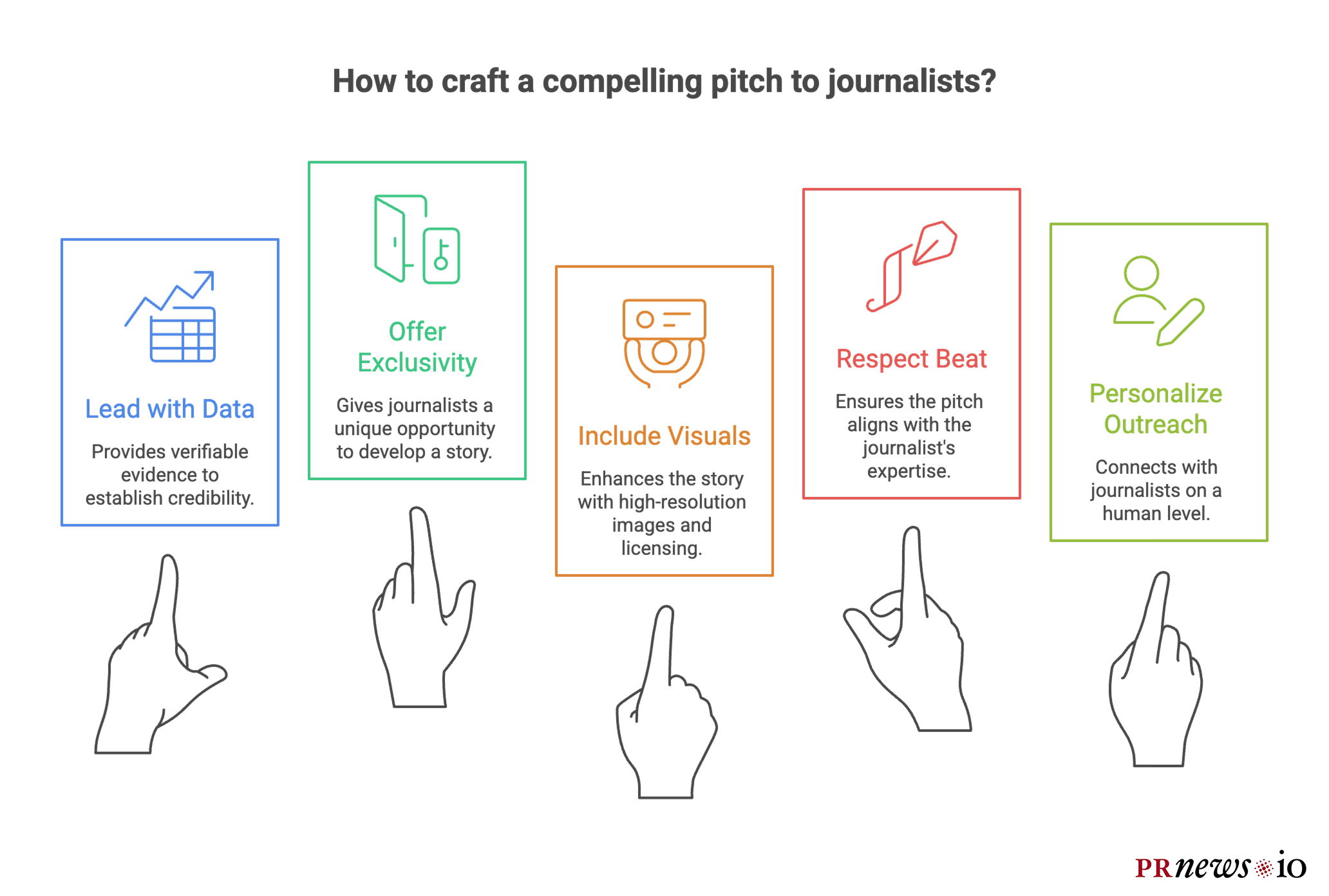
1. Match the reporter to the story — precisely
The most common mistake is pitching a hardware reviewer about software infrastructure, or a platform-policy journalist about a consumer gadget. Read at least five recent pieces from any journalist you plan to contact before you write a word of your pitch. If your product does not fit their actual recent coverage, find a different reporter. A wrong-fit pitch damages your credibility for the next approach.
2. Lead with the data, not the narrative
Technology journalists — especially those at the WSJ, NYT, and The Verge — respond to specificity. Open with the most concrete piece of evidence you have: a number, a named customer outcome, a documented category shift. ‘We believe our product changes how people experience X’ is not a hook. ‘In our first 90 days, 40,000 users replaced their existing Y with our product’ is.
3. Respect the newsletter and independent journalist differently
Casey Newton at Platformer operates without an institutional assignment desk. He chooses his own stories entirely. A cold pitch to an independent journalist should acknowledge their independence explicitly — what angle does this story offer that fits their established editorial identity? — and should be shorter, more direct, and more candid about what you are asking for than a pitch to a staff writer at a legacy outlet.
4. Do not pitch reviews as scoops
Review coverage and news coverage are different editorial products. Joanna Stern at the WSJ and Dan Seifert at The Verge run product reviews on their own timelines, with their own test protocols. Sending a product sample with a 48-hour review embargo does not produce a review — it produces an ignored email. Reach out early, establish a relationship, offer access on the journalist’s terms.
5. Expect a long timeline for editorial coverage
Earned coverage in major technology outlets typically takes weeks to months from first contact to publication. A successful pitch rarely results in immediate coverage; it more often results in a journalist adding your company to their mental map for a future story they are already developing. Plan your communications calendar accordingly — do not rely on a single pitch cycle to generate coverage before a launch.
⚠ Avoid: Sending a press release to a journalist who has never covered your category, with no prior relationship, and expecting a story within two weeks is the single most common and most costly mistake in technology communications. It signals that you have not read their work.
Building guaranteed visibility alongside earned coverage
Earning coverage from the journalists listed above is genuinely difficult — and that difficulty is precisely what makes it valuable. Editorial mentions in the New York Times, the WSJ, or The Verge carry weight because they cannot be purchased; they have to be justified on the merits of the story.
Most organisations building a communications strategy, however, cannot afford to operate on earned media alone — especially when launch windows are fixed, investor updates are time-sensitive, or regional markets require coverage that generalist journalists rarely provide. This is where a parallel commercial track serves a different and legitimate purpose.
PRNEWS.IO operates as a media placement marketplace with a verified catalog of outlets across more than 150 industry verticals and 60 countries. The specific capability most useful for technology companies is the industry filter in the media catalog: rather than distributing to a broad wire, you can select individual outlets by vertical — software, SaaS, fintech, consumer hardware — and review their audience metrics before purchasing a placement. Placements are guaranteed to publish within a defined timeline without editorial approval dependency, and all placements are indexed with do-follow link structures, which matters for organic search visibility in a way that press release wires typically do not.

The strategic value is not that a PRNEWS.IO placement replaces a Verge review or a Times investigation — it does not, and no honest operator would suggest otherwise. The value is that it gives communications teams a controlled, measurable layer of visibility that runs in parallel with earned outreach: use PRNEWS.IO for time-sensitive announcements, regional coverage, and SEO-indexed distribution; use the journalists in this guide for the long-term reputation work that paid placements cannot buy.

Conclusion
No guide to the best technology journalists can be static. The field shifts: reporters move between outlets, newsletters replace mastheads as primary sources of analysis, and new beats emerge as technology reshapes different sectors. The ten journalists profiled here represent the strongest current voices across a range of formats and subjects — but this list will be updated as the landscape changes.
If there is a technology journalist whose work belongs here and is not represented, the argument for their inclusion should rest on the same standard applied above: a specific contribution to the field, a methodology or beat they own, and a demonstrable utility for readers. Generic name recognition is not sufficient grounds.
The best technology journalists are not celebrities. They are the people doing the work that makes it harder for the industry to mislead its audience — and easier for the rest of us to make sense of what is being built and why it matters.