The music journalism landscape is defined by extremes: publications that have survived decades of industry upheaval alongside independent critics who have built audiences from scratch through sheer force of voice. A single review from the right byline can reframe a record’s entire reception. A video essay on YouTube can revive a forgotten artist. A Substack dispatch from a trusted critic can cut through the noise of ten thousand algorithm-driven recommendations.
This list exists because navigating that landscape is genuinely hard. The names below represent the journalists whose work defines quality — the critics who set the terms of debate, whose voices carry cultural authority, and whose writing does something that playlists cannot: it explains why music matters.
Influential music journalists
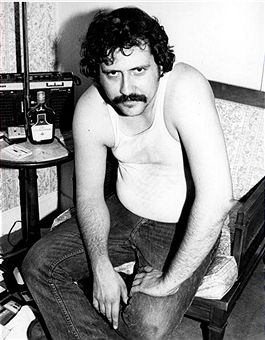
Lester Bangs (Creem / Rolling Stone / The Village Voice)
Perhaps the most mythologized name in rock criticism, Lester Bangs built his legend through a style that was equal parts gonzo provocation and genuine philosophical urgency. Fired from Rolling Stone for disrespecting musicians, he found his real home at Creem, where he developed a stream-of-consciousness voice influenced by the Beat writers and aimed directly at the experience of living with loud music. He didn’t review albums so much as inhabit them — treating each piece of writing as its own performance.
Bangs is often credited with coining “punk” as a critical descriptor, and his willingness to find depth in ABBA as readily as in the Velvet Underground established a critical generosity that refused genre hierarchy. His posthumous collections, Psychotic Reactions and Carburetor Dung and Main Lines, Blood Feasts, and Bad Taste, remain essential reading — not as historical documents but as live demonstrations of what criticism looks like when it refuses to stand at a safe distance from its subject.
His declaration that “writing can be rock ‘n’ roll” was not a metaphor. It was a program. His death at thirty-three cemented his status as the field’s defining countercultural figure, the critic against whom every subsequent attempt at passionate, embodied music writing is measured.

Robert Christgau (The Village Voice / Newsday / Blender)
Where Bangs brought chaos, Robert Christgau brought precision — and proved that rigor could be just as revolutionary. As chief music critic and senior editor at The Village Voice for thirty-seven years, he developed the “Consumer Guide”: short, letter-graded album reviews designed to answer a single practical question with maximum wit and minimum sentimentality. The format was almost proto-algorithmic in its efficiency, and it earned him the title “Dean of American Rock Critics” for good reason.
Christgau’s criticism was hype-resistant and politically aware in ways that distinguished it from the more impressionistic writing around it. He championed hip-hop, riot grrrl, and African pop long before those genres received serious coverage at comparable publications, and his refusal to be beholden to any taste culture gave his recommendations genuine authority. The Pazz & Jop critics poll he ran became one of the field’s most important annual events.
His collected work demonstrates that the most durable critical voices are not necessarily the most flamboyant. Christgau showed that economy, consistency, and a well-calibrated bullshit detector outlast almost every other quality a critic can possess.
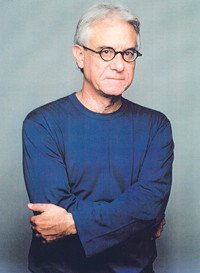
Greil Marcus (Rolling Stone / Creem / The Village Voice)
Greil Marcus elevated music criticism into cultural archaeology. Writing for Rolling Stone, Creem, and The Village Voice from the late 1960s onward, he was never primarily a reviewer — he was a theorist using popular music as a lens to examine American mythology, political unconscious, and historical memory. His landmark book Mystery Train mapped rock onto American literary and cultural traditions with a seriousness that the form had rarely been accorded.
Lipstick Traces went further, treating punk rock as a “transhistorical cultural phenomenon” and drawing a direct line from the Sex Pistols to Dadaism and Situationism. The argument was audacious, and not everyone found it convincing, but it permanently expanded the range of claims that music criticism was permitted to make. His editing of Lester Bangs’s collected work added to his reputation as someone who could hold intellectual ambition and creative wildness in the same frame.
For critics and readers who want to understand music as something more than entertainment — as a site where a culture works out its contradictions — Marcus remains the essential starting point.
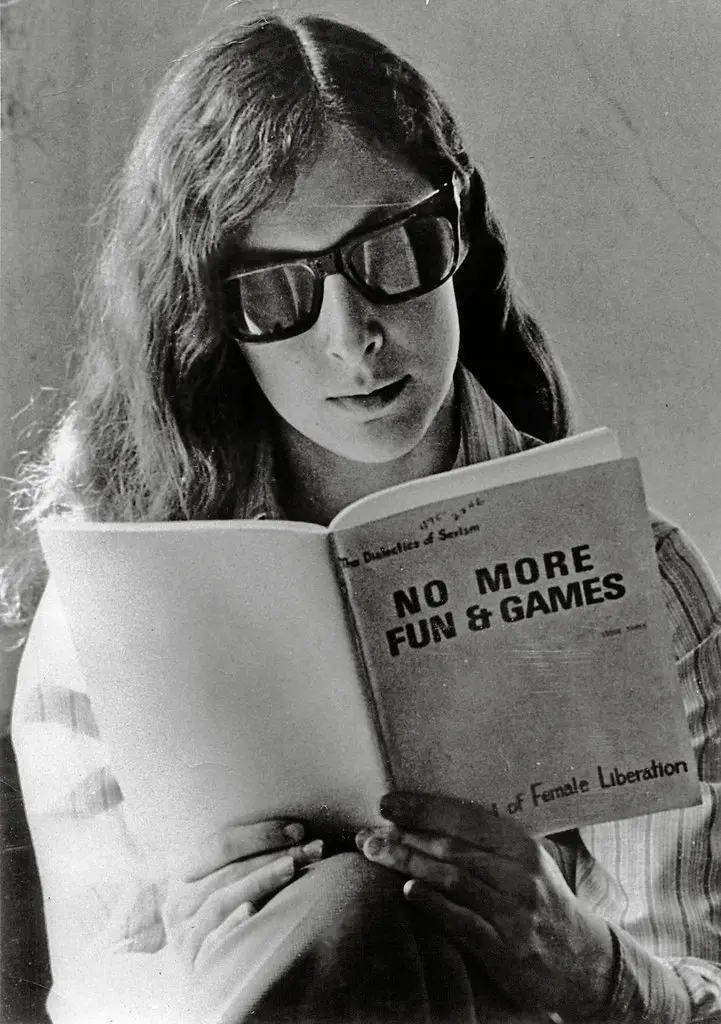
Ellen Willis (The New Yorker / The Village Voice / Rolling Stone)
Ellen Willis became The New Yorker’s first pop music critic on the strength of a single essay about Bob Dylan, and she spent the following decades making the case that rock and roll was a feminist and political battleground as much as a cultural one. As a founding member of the radical feminist group Redstockings, she brought a political framework to music writing that was genuinely rare in a field dominated by male voices at every level.
Willis did not simply advocate for women in music; she interrogated the structures of the industry itself — its sexism, its commercialism, and the gap between rock’s liberatory mythology and its actual treatment of women as artists and audiences. She celebrated the Sex Pistols before punk was respectable and was consistently skeptical of the folk-singer earth-mother archetype that other critics romanticized. Her essays, collected in Out of the Vinyl Deeps and The Essential Ellen Willis, remain foundational texts.
Her contribution was to demonstrate that the personal and the political are not distractions from serious music criticism — they are among its most essential instruments. Without Willis, the critical language for discussing gender, power, and popular music simply would not exist in its current form.

Ann Powers (NPR Music / The New York Times / Los Angeles Times)
Ann Powers has built a career that demonstrates what criticism looks like when it refuses to stay in one place. Having written for The Village Voice, The New York Times, and the Los Angeles Times, she has spent recent decades as a critic and correspondent for NPR Music, where her reach extends well beyond the readership of any single publication. She covers everything from jazz fusion to mainstream pop with equal fluency, and her prose has a lyrical quality that is genuinely unusual in daily criticism.
Her book on Joni Mitchell is among the finest pieces of sustained music writing produced in recent decades — a study in how to hold together close listening, biography, and cultural analysis without any of the three elements collapsing the others. Her memoir Weird Like Us demonstrated that she can make the personal as intellectually rigorous as the analytical.
Powers represents a model of the contemporary critic as generalist curator — someone whose value lies not in narrow specialization but in the breadth of the cultural map they can draw and the consistency of the standards they apply across it.
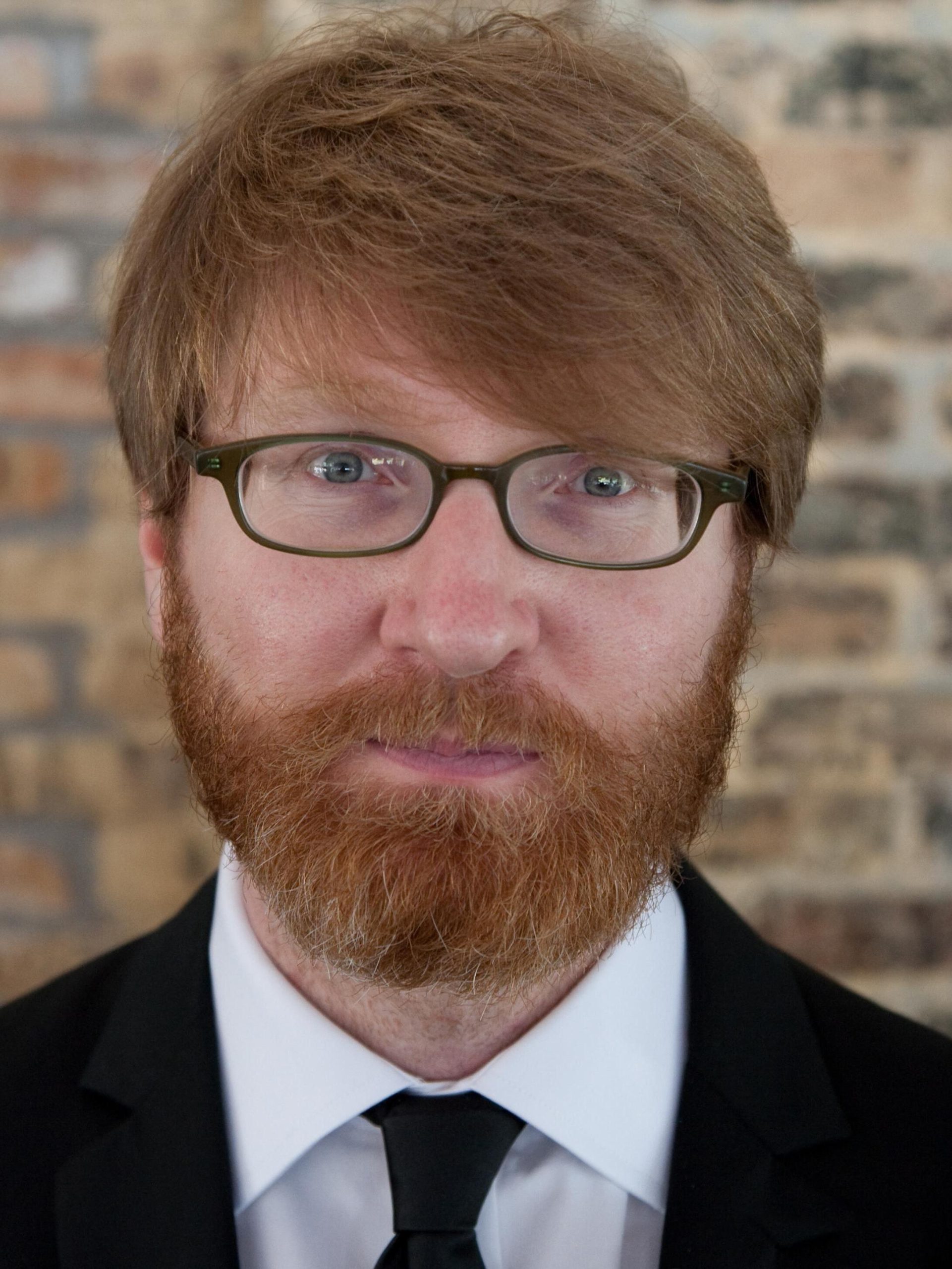
Chuck Klosterman (Spin / Esquire / The New York Times Magazine)
Chuck Klosterman approaches music journalism as a form of philosophical entertainment, and the combination has produced some of the field’s most widely read work. Writing for Spin, Esquire, and The New York Times Magazine, and reaching further audiences through podcasts and books, he uses music as a starting point for arguments about identity, nostalgia, cultural hierarchy, and the meaning of the mainstream that extend far beyond any individual record.
His books Fargo Rock City and Sex, Drugs, and Cocoa Puffs treat low culture with the seriousness it deserves while refusing to pretend that seriousness requires solemnity. He is genuinely funny in a way that most critics are not, and his willingness to make himself the subject of his own investigations — examining his own formation as a listener as directly as he examines the music — gives his work a self-awareness that distinguishes it from conventional criticism.
He is a ASCAP Deems Taylor Award winner and a reliable reminder that the most influential critics are not always the most academically credentialed — they are often simply the most honest about what music actually does to people who love it.

Anthony Fantano (The Needle Drop)
Anthony Fantano has built the most substantial independent audience in contemporary music criticism through a simple and consistent strategy: he shows up, he has opinions, and he explains them clearly on YouTube. As the self-described “internet’s busiest music nerd,” he has demonstrated that the transition from print to digital is not simply a change of platform but a fundamental restructuring of what critical authority means and how it is earned.
His reviews span genres without apology — he is as likely to cover a metal record as an R&B album, a folk singer-songwriter as an experimental electronic release — and while his approach is less theoretically elaborate than the print critics who preceded him, his transparency about his reasoning has earned him a level of trust from his audience that institutional bylines no longer automatically confer.
Fantano’s significance is structural as much as critical: he has proved that sustained, independent, genre-agnostic music criticism can build a durable audience without institutional backing, advertising relationships, or editorial infrastructure.
How to engage the most influential music journalists
The journalists on this list receive more pitches than they can possibly act on. Understanding what separates the submissions they pursue from the ones they ignore is the difference between coverage and silence.
Lead with something specific and verifiable. Streaming data, sales figures, chart anomalies, archival discoveries — the strongest pitches give a journalist a fact to build from, not an opinion to validate. Narrative can follow, but credibility is established with evidence.
Genuine exclusivity, not embargo games. Exclusivity means giving one journalist the chance to develop a story before it becomes a press release. The critics on this list have sufficient incoming material to be highly selective; they prioritize pitches that offer them something no one else has.
Know their actual beat. Robert Christgau does not review arena tours. Ann Powers is not primarily an investigative reporter. Chuck Klosterman is not interested in straightforward new-release coverage. Misaligned pitches signal that you have not read the journalist’s work — the fastest possible route to deletion.
High-quality audio and assets, properly cleared. For any pitch involving music, provide clean embeddable audio, high-resolution imagery, and confirmed rights information. Chasing clearances after the fact delays or kills coverage.
Write to a person, not a list. Journalists identify mass outreach in seconds. A short, specific note referencing a recent piece they published will outperform any polished template — every time.
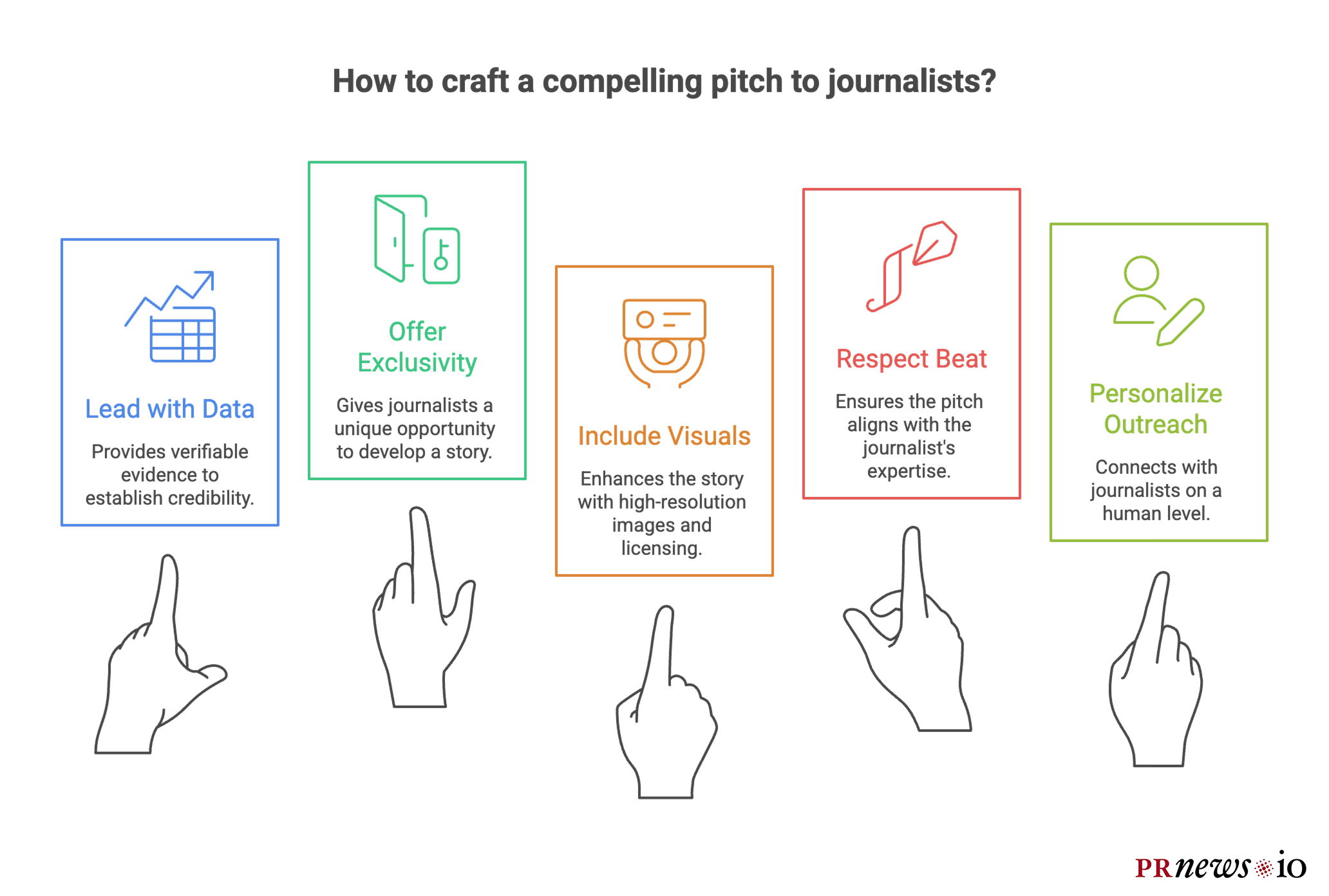
How to craft a compelling pitch to music journalists
Features at major publications and established digital outlets operate on timelines measured in weeks to months. Newsletter-based critics and independent voices can sometimes move faster, but their selectivity is correspondingly higher. Plan campaigns around these realities: a well-crafted pitch sent six weeks before a release will consistently outperform a better pitch sent the week it drops.
An alternative path to visibility
Securing coverage from the journalists on this list is genuinely difficult — which is precisely what makes their attention valuable. For campaigns that require guaranteed placement and measurable reach while a longer-term media relationship is being developed, PRNEWS.IO offers a direct and structured alternative: no pitching, no waiting, no editorial approval.

The platform’s catalog includes a Music filter that surfaces verified publications specializing in music, culture, and the entertainment industry — outlets with established, relevant readerships — allowing PR teams to identify and purchase placements that reach the right audience without the uncertainty of editorial outreach. The result is guaranteed publication in indexed, credible media: your story goes live on a defined timeline, with measurable reach.

This is not a substitute for earned media — it is a different tool for a different purpose. A sustained relationship with the critics listed above builds long-term credibility and drives the kind of coverage that shapes reputations over years. Guaranteed placement via PRNEWS.IO ensures that your story is findable, indexed, and reaching relevant readers right now, while that longer-term credibility is being built. Sophisticated PR operations use both in parallel.
Conclusion
This list will be updated. Music journalism is not a fixed hierarchy. The critic who publishes their defining work next year may not have been included here; independent platforms rise and sometimes burn out; the power dynamics of major outlets shift as the industry they cover shifts beneath them. We will revisit these assessments in late 2026 and welcome nominations for voices that have been unfairly overlooked.
What will not change is the underlying argument of this list: that rigorous, independent, courageous music journalism is a public good — and that the people who practice it deserve more attention, more resources, and more readers than the algorithmic attention economy tends to award them. Follow them. Read them carefully. And if you pitch them, pitch them well.