Imagine your potential client needs an architect to design their dream home. They open Google and start comparing options.
One profile leads to a sleek website filled with impressive, yet silent, visuals. Another reveals scattered online reviews, suggesting more frustration than expertise. Then there’s an architect whose name appears alongside insightful commentary on urban development, sustainability, and practical project management.
The decision has been made even before the first email is sent. Marketing for architects starts long before a portfolio review or meeting. It begins with the online presence that your name represents. Your personal brand shapes expectations, builds trust, and establishes your authority.
What is a personal brand for architects?
When it comes to marketing personal brands for architects, it’s easy to reduce them to visuals, such as logos, websites, and Instagram grids. However, visuals are not the brand itself. They are merely its visible layer.
At its core, branding is about reputation. More broadly, it encompasses everything that shapes how an architect is perceived, including their thinking, values, behaviour, communication, and decision-making. Design simply expresses that reputation; it does not create it.
A strong personal brand is not just about aesthetics. It starts with clarity:
- What does this architect stand for?
- What values guide their work?
- What ethics, goals, and beliefs shape their decisions?
- What should people feel and remember after encountering or working with them?
This foundation encapsulates the essence of the architect as a professional, and this essence should be reflected consistently across all touchpoints. Design only becomes meaningful once this groundwork is clear. At that point, visuals can be created, or creatives can be briefed with intention.
The three archetypes of the architectural personal brands
Not all personal brands in architecture are developed intentionally. Most emerge by default, shaped by what is shared, what is avoided, and what is left unsaid. These patterns tend to fall into three distinct archetypes. They reflect different attitudes towards visibility, communication, and intention, and lead to very different outcomes.
- The unbuilt architect
No clear online presence. No articulated point of view. No visible body of thought — only scattered, outdated traces.
For a potential client, the question isn’t whether this architect is good. It’s “Has this architect ever built anything professionally?”
In marketing to architects, absence is not neutral. When nothing is visible, credibility has no foundation — and opportunity quietly moves elsewhere.

- The overexposed architect
Too much noise. Too little intention. Opinions published without context, emotion without restraint, visibility without strategy.
While public criticism of clients, impulsive posts, or poorly considered associations may seem authentic, they erode trust. Even the most talented individuals struggle to stand out when the signal is overwhelmed by friction.
When it comes to marketing for architects, not everything needs to be shared to be seen. Professional credibility is built through curation, not exposure — structure matters, both in buildings and in brands.
- The strategic architect
A clear presence, built deliberately. Ideas shared with purpose. A consistent point of view reflecting expertise and values.
This architect doesn’t publish to maintain visibility; they publish to be understood. Each article, interview, or post reinforces a consistent professional narrative, clearly indicating the type of work and clients it is associated with.
In architect marketing, strategy transforms visibility into credibility. When a presence is intentional, a reputation becomes an asset, not a risk.
The end of traditional SEO for architects
For years, architects relied on:
- Portfolio websites
- Behance / ArchDaily visibility
Today, search engines increasingly summarize answers themselves, and AI assistants pull information from:
- Media articles
- Interviews
- Professional databases
- Citations in trusted publications
Your personal brand is no longer just your website — it’s how the internet explains you.
Digital assets that shape an architect’s reputation
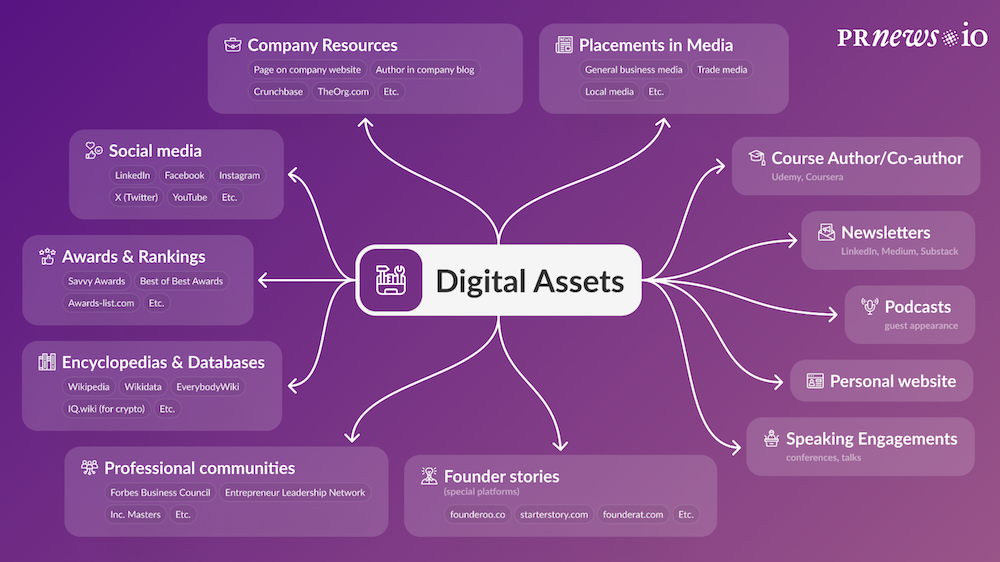
Key assets for architects:
- Personal website (firstname-lastname.com)
- Author profiles on architecture platforms
- Media interviews about projects
- Awards and competition results
- Conference talks and lectures
- Academic or expert articles
These assets together create a coherent professional identity for AI systems.
Where architects should publish
Architecture professionals rarely have time to pitch journalists themselves — yet media presence is essential.
Effective publication types:
- Architecture and design media
- Business media (for studio founders)
- Sustainability and urban planning outlets
- Local media covering major projects
In practice, many architects work with PR distribution platforms like PRNEWS.IO, which allow them to place expert articles, project stories, or interviews in verified media outlets — from niche architecture portals to international business publications.
This approach helps architects build authority signals that are later picked up by search engines and AI assistants.

What are the three layers of an architect’s personal brand?
As an architect, it is important to consider your personal brand from three different perspectives, each of which serves a different purpose and audience. Here is a rundown of each strategy and how you can apply it to your brand.
Layer 1: The architect you represent
Purpose: Attract the right clients or secure the role you aspire to
Audience: Potential clients, employers, or collaborators
A strong personal brand in architecture begins with clarity about what you want to be recognised for. This may involve a specific project focus, such as affordable housing, hospitality or workplace design. Alternatively, it could be a technical strength that you consistently deliver and genuinely enjoy, such as visualisation, construction detailing or regulatory analysis. In other cases, it may be a capability that has been developed over time, such as leading teams, navigating complex client relationships, or applying emotional intelligence in high-pressure environments.
You begin to shape expectations by sharing what you do every day — your thought processes, the solutions you find and what you have learnt. Over time, this narrative will define your professional identity, set the tone for your work, and naturally attract clients or employers who are aligned with your expertise and ambitions.
Layer 2: A go-to expert in the field
Purpose: Establish yourself as a respected expert and build meaningful industry connections
Audience: Fellow architects and professional peers
Many business frameworks overlook this distinction. They assume that peers and clients constitute the same audience. In architecture, however, they rarely are. Although architects do not usually hire other architects, peer relationships are among the most valuable assets in the profession. This is why the industry relies so heavily on professional organisations, such as the AIA, CSI and NOMA.
Peer recognition creates opportunities. Referrals often come from fellow architects, consultants or contractors who are already fully booked and need to pass work on to someone they trust. For many architects, their first meaningful commissions come this way.
Layer 3: Beyond the role
Purpose: Introduce a human dimension to your brand and attract an audience aligned with who you are
Audience: People who naturally relate to you
Every personal brand needs a human layer. Architecture is no exception. Beyond their professional roles and areas of expertise, everyone has a personality, values and life experiences that quietly shape how they think and operate. Recognising this does not undermine professionalism; it adds depth and relatability.
This human dimension can manifest in various ways. For example, it may be shaped by personality traits such as introversion, reflection, or a tendency towards analysis. Alternatively, it may stem from life roles or interests that influence one’s perspective, communication style, or priorities. While these elements do not define competence, they do shape connection.
Sharing this aspect of yourself will not narrow your audience. It clarifies it. When people recognise something familiar — a mindset, a way of working or a shared experience — trust forms more naturally. Clients and peers are drawn to both what you do and how you present yourself.
Tips on how to combine the layers and build a coherent architect’s personal brand
Distill your brand into clear keywords
Extract a small set of keywords that reflect your brand’s values, positioning and tone. These keywords will serve as a practical tool, guiding design decisions, content creation and any future creative work. Designing from words is often much easier than designing and explaining the meaning afterwards.
Media exposure as a credibility layer
Visibility in reputable media outlets adds an external layer of validation to a personal brand. Being quoted or mentioned in relevant publications establishes your expertise beyond your own platforms, thereby reinforcing your authority in the eyes of clients and peers. When it comes to building a personal brand, architects do not need to start with major outlets. Strategic placement in niche, industry-specific publications can be equally effective, particularly if it aligns with your core message and positioning.
Platforms like PRNEWS.IO support this process by making media outreach more accessible and structured. This enables professionals to place thought leadership content in publications that strengthen credibility rather than simply increasing visibility.
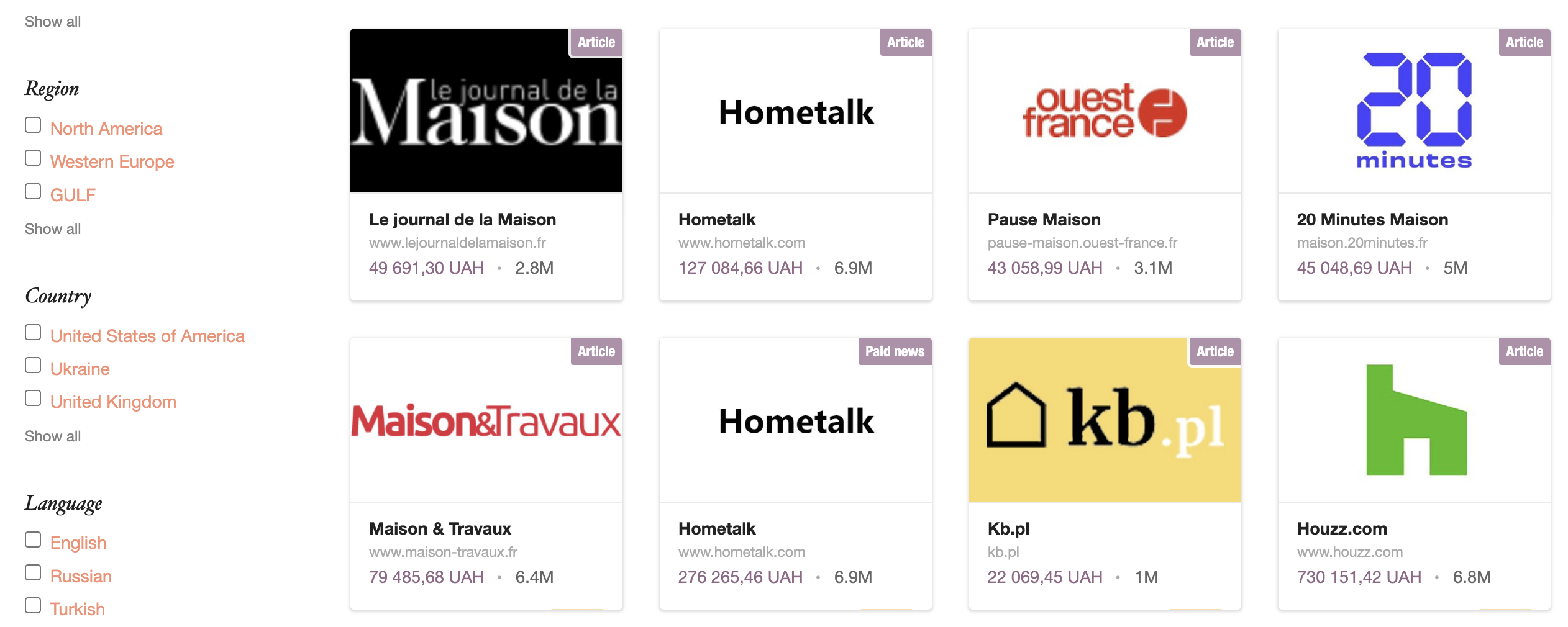
Strategic media placement, whether through expert commentary, interviews or contextual mentions, enables architectural brands to appear in well-established outlets such as The Guardian, The Times and The Economist, thereby reinforcing their authority through third-party validation.
Actively monitor and respond to signals
A brand is a reputation, and a reputation evolves in real time. Pay attention to feedback, engagement and unexpected signals. Revising your brand foundation may require new communication channels, different formats, or fresh initiatives. Consistency does not mean rigidity.
Follow through on the brand foundation
If you have a clear, inspiring and executable brand foundation, commit to it fully. Don’t treat it as an ornamental addition or a backup reference. Let it actively inform how you communicate, collaborate and present yourself, both internally and externally. A brand works in all directions at all times.
Test the brand in real applications
If it’s not tested in practice, brand development can become overly introspective. Observe how your brand performs in real campaigns, content or outreach. Does it resonate? Does it remain flexible while still communicating the core message? Make adjustments based on what works.
Challenge assumptions — especially familiar ones
Knowing yourself (or your client) well can be both an advantage and a limitation. Pre-existing assumptions can cause you to unconsciously filter out ideas that feel uncomfortable, even though they could be right for the brand. Sometimes, effective branding requires you to explore directions that challenge your personal preferences.
Treat brand as an active system, not a static asset
Brand development is an ongoing process that doesn’t end once the foundation has been defined or the visuals updated. A new identity, tone of voice or website should not simply be added to old habits. In today’s fast-paced communication landscape, your brand requires continuous attention, adjustment and deliberate action.
Conclusion
Personal branding for architects is not about self-promotion.
It is about ensuring that when AI systems, clients, or institutions look for expertise — they find accurate, professional, and trustworthy information.
Media placements, structured digital assets, and consistent narratives are no longer optional. They are the foundation of architectural credibility in the AI era

Frequently Asked Questions
What is a personal brand in architecture?
In architecture, a personal brand is the professional reputation attached to your name. It reflects not just how your work looks, but also how you think, communicate and contribute. When it comes to marketing for architects, it shapes trust and expectations long before the first conversation takes place.
Do architects really need a personal brand?
Yes. These days, clients, employers and collaborators research architects online before making decisions. Without a clear personal brand, others will define your narrative for you, often using incomplete or outdated information.
Is personal branding just about social media?
No, social media is just one channel. Your personal brand is expressed through your website, writing, media mentions, involvement in your industry, public speaking, mentoring and even how your peers describe you when making referrals.
Can personal branding hurt professional credibility?
It can be if it is not handled strategically. Overexposure, unfiltered opinions and inconsistent messaging can all undermine trust. However, when approached intentionally, personal branding can strengthen credibility.
How personal should an architect’s personal brand be?
Personal does not mean unprofessional. Sharing selected personal details, such as your values, working style or perspective, makes your brand relatable without revealing too much. The goal is alignment, not exposure.
How long does it take to build a strong personal brand?
Personal branding is an ongoing process. Although clarity and visibility can improve within months, a good reputation is built over time through consistent contribution, communication and follow-through.
Do I need media coverage to build a personal brand?
Although media exposure is not mandatory, it can help to build credibility more quickly. Thoughtful mentions in relevant publications via PRNEWS.IO provide third-party validation and extend your reach beyond your own platforms.
Can junior architects build a personal brand?
Absolutely! Personal branding is not about status; it’s about perspective and growth. Sharing the lessons you have learned, your processes and your emerging expertise builds visibility and trust early in your career.
What is the biggest mistake architects make in personal branding?
Branding is treated as a visual exercise rather than a strategic one. Without clarity on values, positioning and intent, even the best design will lack meaning.
What if I don’t want to be a “public” architect?
Visibility does not require constant posting or self-promotion. A strategic personal brand can be quiet, focused and selective, and is built through quality contributions rather than quantity.