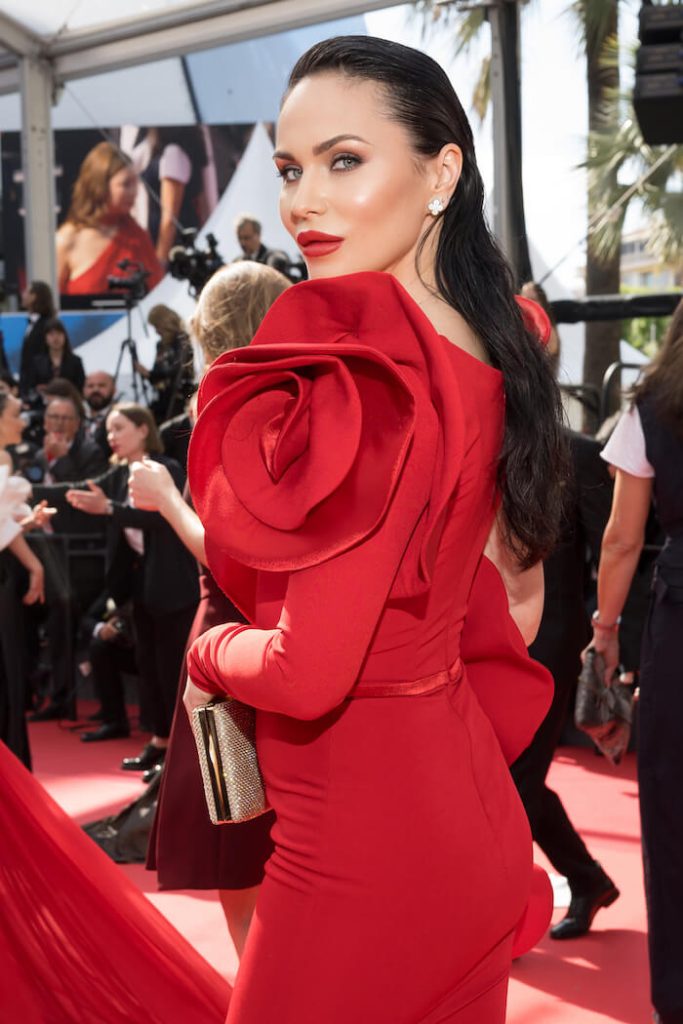
At PRNEWS.IO, we continue our series, Her PR Journey, showcasing inspiring women in the PR industry. Today, we are thrilled to introduce Marina Slobodyanik, a renowned Ukrainian PR expert with vast experience in culture, fashion, and tourism. Marina has worked on major projects like the New Wave music festival and now focuses on creating premium PR content for luxury resorts. She was one of the pioneers in Ukraine to study the impact of social media, and her expertise has driven successful campaigns in the hospitality industry. Meet Marina and discover her journey in PR!
Contacts: Instagram | LinkedIn
How Marina Slobodyanik Shaped Luxury Brand Success
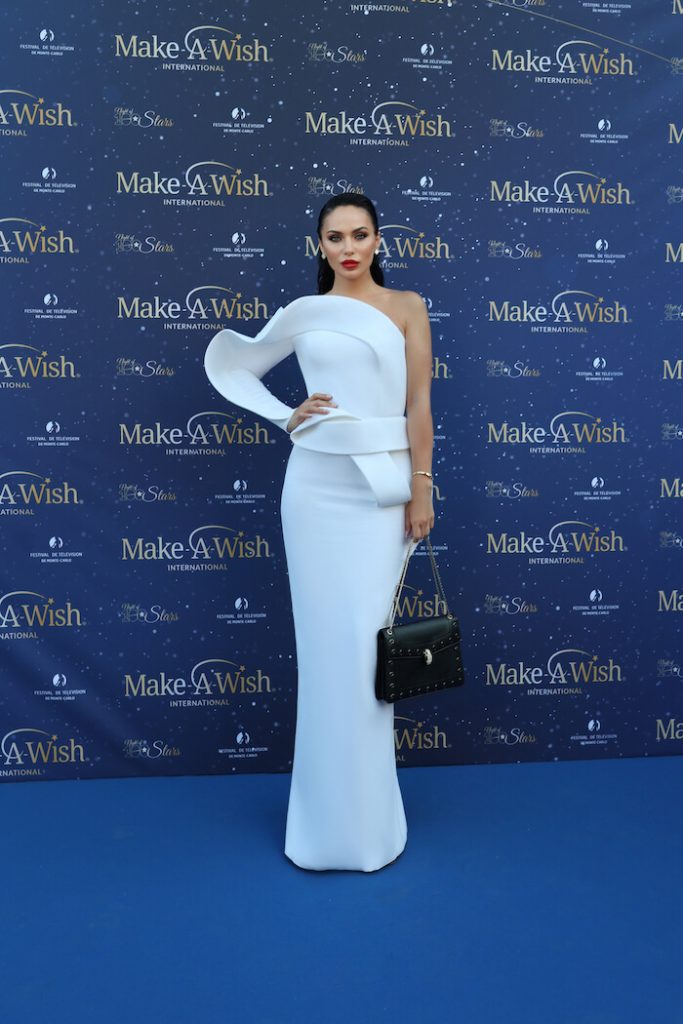
Please introduce yourself and share your experience in PR. What are the key milestones in your career that you would highlight?
I’ve had the privilege of working in PR for many years, and have a diverse career spanning several industries, including tourism, hospitality, culture, and fashion.
I began as a TV presenter and journalist, a role that sharpened my communication skills and exposed me to the fast-paced world of media, which gave me the foundation to grow my expertise in communication and PR.
My experience deepened when I developed marketing strategies from scratch for businesses in the hospitality industry. Working with luxury hotels, global brands, and celebrities has been one of the most rewarding aspects of my career. Lately, I became a founder of Global Networker Magazine — I am proud we write about popular and influential leaders in different fields all over the world.
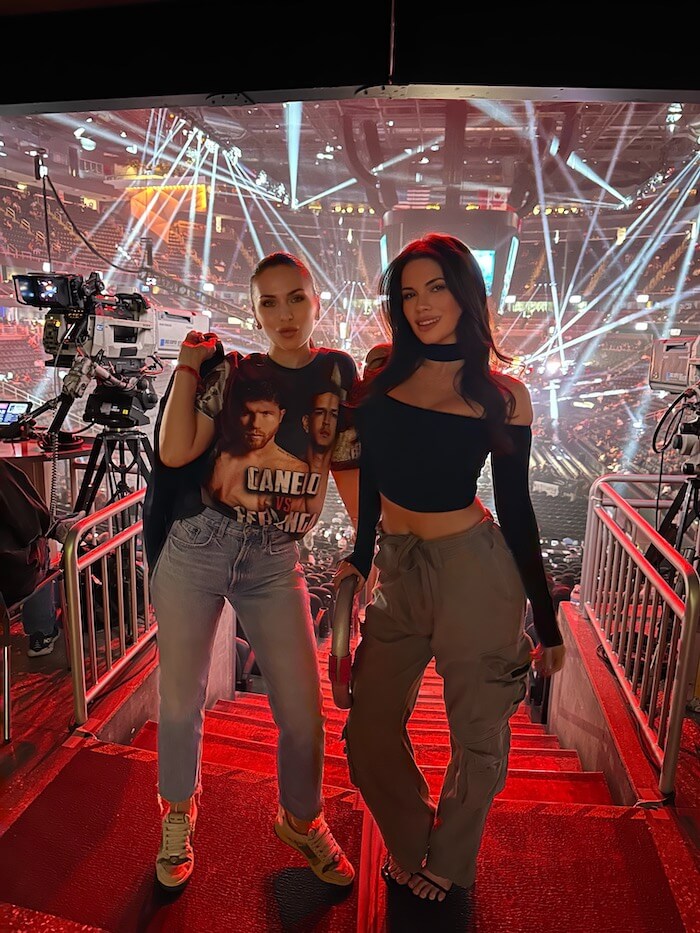
In addition to the hospitality field, I also worked a lot with beauty and aesthetic medicine clinics. One of the tasks was the promotion of vitamins, sports nutrition, and supplements. I was looking for sports influencers to create vivid advertising campaigns. That’s how I met DAZN — the best in live boxing, MMA & on-demand sports streaming. We developed a very cool connection with the team, I felt that sports management is the new step in my career that opens up a larger scope of activities and opportunities for development. So I moved into the sports industry and marketing. Currently, I work at DAZN and promote the most prominent sports events and fights with famed athletes. This work really drives me! These impressions cannot be expressed in words: when thousands of fans come to the stadiums, charged with energy, enthusiastic — they create the vibe that energizes me as well.
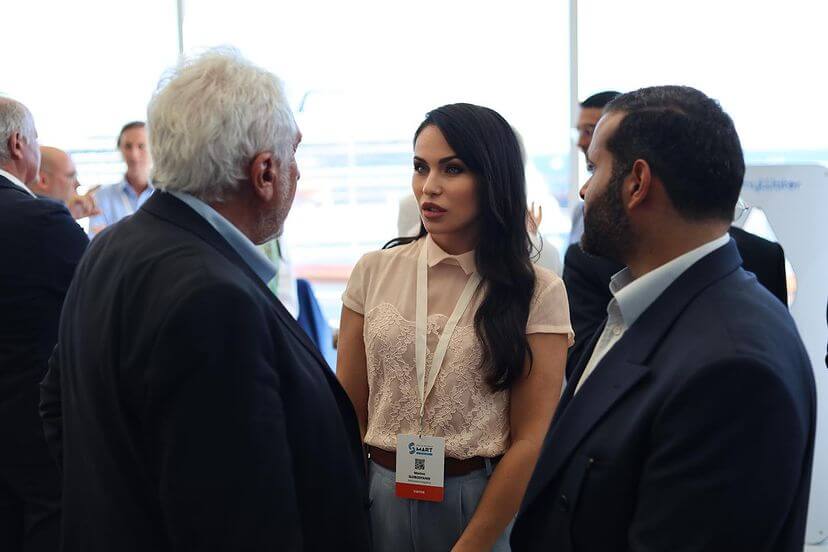
What are the main elements of an effective marketing strategy in today’s market? How has your strategy evolved in recent years?
Flexibility and speed are crucial. In an ever-changing world, especially during crises, brands need to adapt their messaging quickly. My strategy has evolved to focus on emphasizing real connections over corporate language. Whether through social media or traditional media, every touchpoint must convey the brand’s values clearly and consistently.
I like to integrate celebrity collaborations and influencer marketing to strengthen brand identity. I am sure that the human element — creating authentic, engaging content — has become more critical than ever in the fast-paced digital world.
How does content marketing impact the overall success of a PR campaign? What types of content do you find most effective for brands?
Content marketing is the backbone of any PR campaign for building trust and connections. It helps shape the narrative around the brand and builds long-term relationships with the audience. I find that engaging storytelling, combined with visual elements such as video content, works best. Native advertising that speaks to the brand values is more effective than overly polished or aggressive promotional content. Long-form content — whether as media articles or influencer partnerships — creates a narrative that resonates deeply with audiences.

What is the role of women in the PR industry today? How has this situation changed over recent years?
More than ever women are leading in PR, taking leadership roles, which has helped shift the industry toward more inclusive and dynamic strategies. They’ve always brought a unique blend of empathy, creativity, and strategic thinking to the industry, but now they’re more recognized for these contributions.
In recent years, there’s been a significant shift toward greater leadership opportunities for women in PR, which is both inspiring and overdue. I’ve personally seen this shift through my work across various industries, especially when leading celebrity marketing campaigns
What are the most significant challenges and opportunities for women in PR? What changes would you like to see in this sector?
Challenges still exist. One of the biggest challenges for women in PR is balancing the demands of work with personal responsibilities, as this industry often requires 24/7 engagement. Additionally, while there are more women in leadership roles today, there’s still a gap when it comes to representation at the highest levels of corporate PR, especially in traditionally male-dominated industries.
However, the opportunities are growing. The rise of digital platforms has given women more tools to build their personal brands and showcase their expertise. I would love to see more structured mentorship programs that empower women to take on leadership roles and provide them with the support needed to navigate the challenges of the industry. I’ve always believed that collaboration, not competition, is the key to success, and fostering a sense of community among women in PR will help us all grow.
How do you evaluate the importance of media articles as a PR tool? What advantages do they provide for brand promotion?
Media articles remain one of the most credible tools in PR. They offer an authoritative voice and help reach wider, more targeted audiences. Articles also lend a sense of permanence and legitimacy that other formats, like social media posts, might lack.
Moreover, media articles give brands the opportunity to control the narrative and position themselves as thought leaders in their industry. It’s not just about promoting a product or service but about building a relationship with the audience through well-crafted storytelling
Do you think media articles have a greater impact compared to other PR tools? Can you provide specific examples of successful use of media articles?
Yes, especially when they are part of a broader strategy. Media articles can enhance a brand’s reputation, create a deeper connection with the audience and position the brand as an expert.
One example that stands out is a campaign I worked on for a luxury resort, where we secured a feature in a leading travel magazine. This article not only showcased the resort’s unique offerings but also positioned it as a must-visit destination for high-net-worth individuals. The visibility of this single article led to an influx of bookings and inquiries, which we then amplified through social media and influencer endorsements.

What PR trends do you foresee for the coming year? Which tools and approaches will become most relevant?
I anticipate that social commerce and influencer-driven content will continue to dominate but with a stronger focus on value-driven communication. Brands will need to focus on community-building and authentic communication rather than traditional, one-sided promotion. In the hospitality sector, for example, it’s no longer just about booking a hotel room — it’s about creating an experience that aligns with the customer’s values.
Additionally, integrating celebrities into PR campaigns will continue to be a strong strategy. The human touch will remain irreplaceable in creating and nurturing relationships, which is at the core of PR.
How do you view the idea that AI cannot fully replace the human element in PR? Which aspects of communication do you believe will always remain human-driven?
AI has certainly transformed parts of the PR industry, particularly in terms of data analysis and trend forecasting. However, PR is fundamentally about human relationships — building trust, understanding emotions, and crafting messages that resonate on a personal level. These aspects will always require intuition and empathy only humans can provide.
For example, while AI can help us identify influencers or analyze social media trends, it’s the human connection we create through carefully curated content and interactions, that makes a lasting impact. In my collaborations with celebrities and influencers, campaign success is often determined by the personal rapport we build, something AI cannot replicate. As I say, “PR is always about relationships, and no AI will replace that”.
What advice would you give to newcomers in PR regarding personal branding and building a professional reputation? What common mistakes should they avoid?
My first piece of advice is to be authentic. It is key to building a personal brand that resonates with others. Focus on what makes you unique and use that to create your narrative. It’s also essential to be consistent—whether it’s your social media presence or work ethic, consistency helps build trust and recognition.
A common mistake I’ve seen is PR professionals focusing too much on others’ success and neglecting their own personal brand. You need to showcase your own expertise just as much as your clients.
Another mistake is overpromising — PR is built on trust, and if you overpromise and underdeliver, it’s difficult to regain that trust. Be realistic about what you can achieve and communicate openly with your clients.