Jazz journalism occupies a singular position in music writing: it is a field that has always demanded more of its practitioners than other beats. To write well about jazz is to write about improvisation and composition simultaneously, to understand the relationship between tradition and rupture, and to hold together the historical and the immediate in a single sentence. The critics who do this well are not simply reviewers — they are chroniclers of one of the most complex and consequential musical traditions the world has produced.
This list exists because the field deserves more attention than it typically receives. The names below represent the journalists and critics whose work has defined the quality of jazz writing — the voices that have shaped how the music is heard, remembered, and understood.
Top jazz journalists
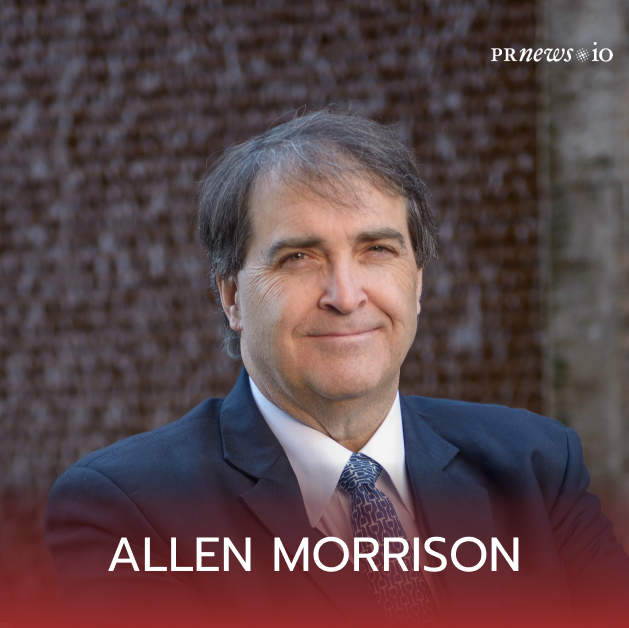
Allen Morrison (DownBeat / Jazz Times / The Guardian)
Allen Morrison is a music journalist, jazz critic, teacher, and musician. He has interviewed many leading jazz and pop musicians. A regular columnist for DownBeat and Jazz Times magazines, Allen covers festivals around the world, including the Toronto Jazz Festival in Canada and the MIMO Festival in Brazil. His articles on music have appeared in The Guardian, Jazziz, Departures, and American Songwriter.
Allen has lectured on the history of jazz aboard Cunard’s Queen Mary 2 as part of the Cunard Insights outreach program and has performed at public libraries and other venues.
Allen combines his music knowledge with extensive experience in journalism, public relations, and communications management to work in the private, public sector, and non-profit organizations. He was a magazine editor and music critic during his career and wrote articles for The New York Times, Wall Street Journal, Newsday. A skilled pianist, Allen has a passion for American popular music. He has a comprehensive knowledge of all its genres: pop, rock, jazz, country, blues, or any other kind of music.
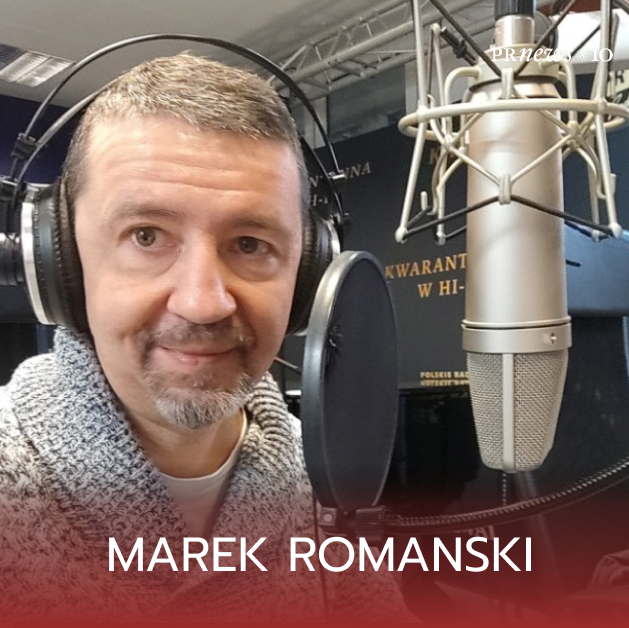
Marek Romanski (Jazz Forum)
Marek studied at the University of Warsaw. Journalist, music critic, since 2000 editor of the Jazz Forum magazine, author of radio programs. The promoter, host of cultural events, music lover without genre boundaries, collector of records.
In 2019 in the Polish city of Szczecin, the first showcase in the history of the Polish jazz scene (from the English showcase, “showcase”) took place – that is, a festival whose purpose is not to attract a wide audience but to present a certain set of musicians to music industry professionals who are invited to such an event especially, including from abroad.
Eight young teams took part, none of which was born earlier than the first half of this decade. They were selected for participation by a strict jury, which included the staff of the Jazz Forum magazine, including the editor of the magazine Marek Romanski.
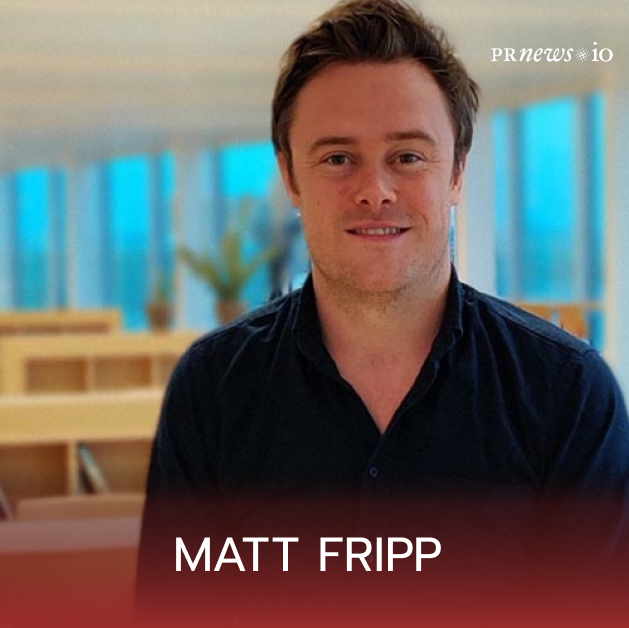
Matt Fripp
Matt Fripp is the Head of a concert agency, creator of the Jazzfuel blog. After graduating from the Guildhall School of Music with a degree in Jazz, Matt Fripp became involved in the organization of performances and management. For the first 6 years, he worked for a London agency and then founded his own company. During all this time, he has organized over 1000 international concerts for a number of artists.
In addition to organizing, Matt runs Jazzfuel.com, where he shares professional advice with jazz musicians around the world – the site provides free articles and recommendations, interviews with industry leaders, and a range of professional services such as media awareness campaigns consulting, and online courses.
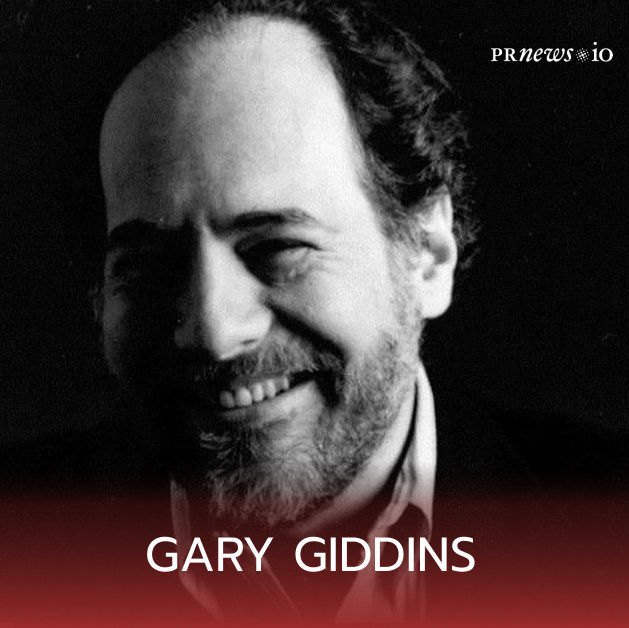
Gary Giddins (The Village Voice / Various)
Gary Giddins is the most authoritative jazz critic of his generation, a writer whose column “Weather Bird” ran in The Village Voice from 1973 to 2003 and produced a body of work that stands as the gold standard for sustained critical engagement with jazz. His writing combines the technical fluency of someone who understands music structurally with a historian’s instinct for placing individual performances within the longer story of the art form’s development.In 1986, he co-founded the American Jazz Orchestra with John Lewis — a move that placed him unusually close to the music he wrote about and gave his criticism an insider’s authority. His books, including Visions of Jazz and a monumental ongoing biography of Bing Crosby, demonstrate that his range extends well beyond the canonical post-bop repertoire into the full sweep of American popular music. He is among the few critics whose opinions genuinely circulate among musicians as well as readers, and his influence on how the post-war jazz canon is understood is difficult to overstate.
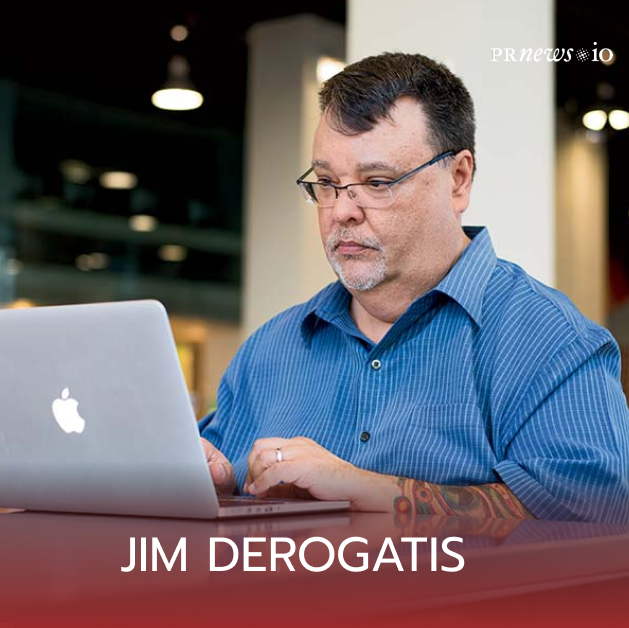
Jim DeRogatis (Chicago Sun-Times / Sound Opinions)
Jim DeRogatis built one of the most distinctive careers in American music criticism by combining daily newspaper work, investigative journalism, and broadcasting in ways that few of his contemporaries attempted. His fifteen years as pop music critic at the Chicago Sun-Times produced a body of daily criticism notable for its directness and its willingness to hold major artists to high standards, but it is his work as co-host of Sound Opinions — the nationally syndicated radio program he hosts alongside Greg Kot — that has given him his broadest influence.
DeRogatis is a largely self-taught critic, and his writing benefits from that formation: he approaches music from the position of an engaged listener rather than a conservatory graduate, and his arguments about what makes music work are correspondingly accessible without being superficial. His investigative reporting, including his long-running coverage of R. Kelly, demonstrated that music journalism at its most serious is accountability journalism — and that critics have a responsibility that extends beyond aesthetic evaluation.
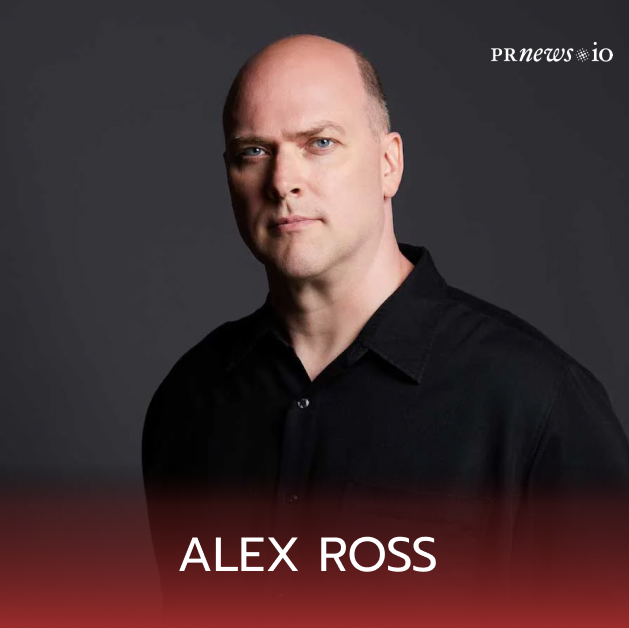
Alex Ross (The New Yorker)
Alex Ross occupies a position in classical and jazz writing that is almost without parallel: a staff writer at The New Yorker whose work reaches a general-interest readership with arguments of genuine intellectual ambition. His book The Rest Is Noise: Listening to the Twentieth Century — a history of musical culture from 1900 onward that became a New York Times Top 10 Book and received both National Book Critics Circle and Pulitzer Prize nominations — demonstrated that serious music writing could find a mass audience when executed with sufficient clarity and narrative skill.
His coverage of jazz situates the music within the broader context of twentieth-century composition and cultural history, connecting it to the modernist movements and political upheavals that shaped it in ways that more specialist writing often neglects. For readers coming to jazz from classical music or broader cultural interest, Ross is frequently the most useful critical guide available.
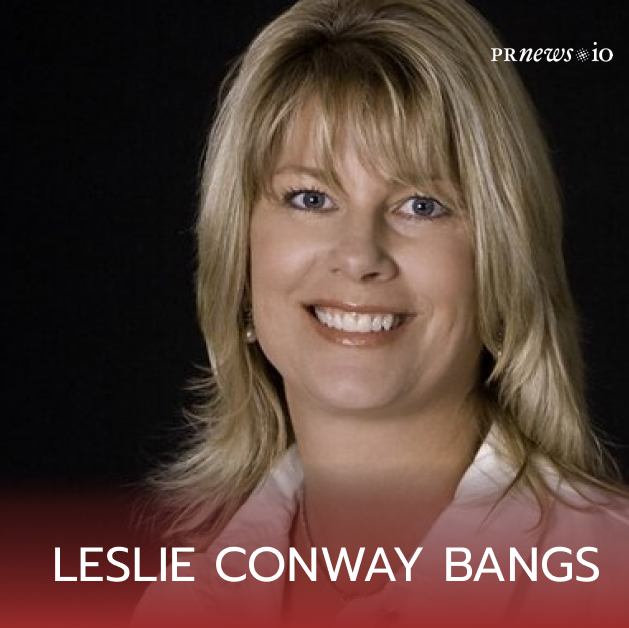
Leslie Conway Bangs
He was an American music critic and a journalist who has written articles for “Rolling Stone” and Creem magazines. He started his career by creating a negative review and sending it to “Rolling Stone.” He requested to explain the reason in case the magazine refused to publish materials. From early years he was interested in jazz musicians like John Coltrane and Miles Davis. Bangs’ criticism was filled with cultural references, not just rock music but also literature and philosophy. He was known for his radical and critical style of work.
Robert Christgau (The Village Voice / Newsday / Blender)
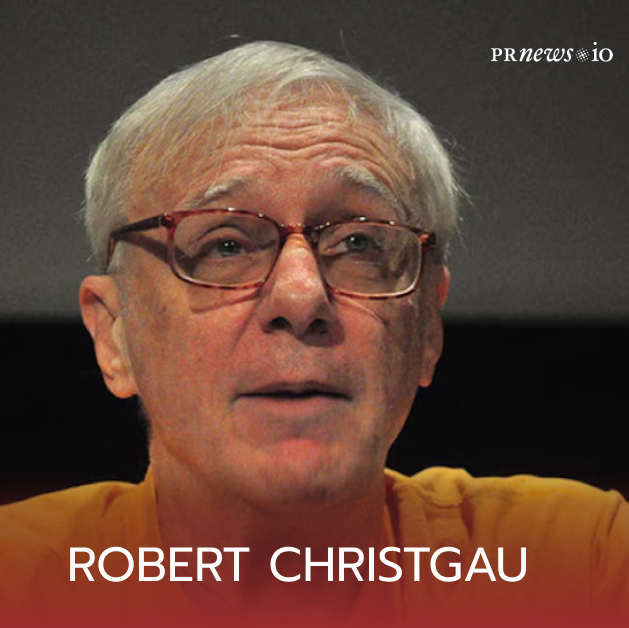
He is the oldest American publicist and music, journalist. He writes articles and reviews about jazz and rock bands and compositions. From 1972 he worked as a music critic for “Newsday,” and in 1974 he returned to “The Village Voice” as music director. Christgau has occasionally written for Playboy, Spin magazine, and Creem. He also started jazz while in college but returned to rock after graduation. However, he started his career as a sports journalist but later decided to move closer to music. In 1967 he topped the music column for “Esquire” magazine. But the most famous he became because of his column “Consumers guide.” There he created an evaluation system for each music album. It has been published monthly in “The Village Voice” since 1969.
Ted Gioia (Various / Substack)
Website | Wikipedia | X.com | Substack
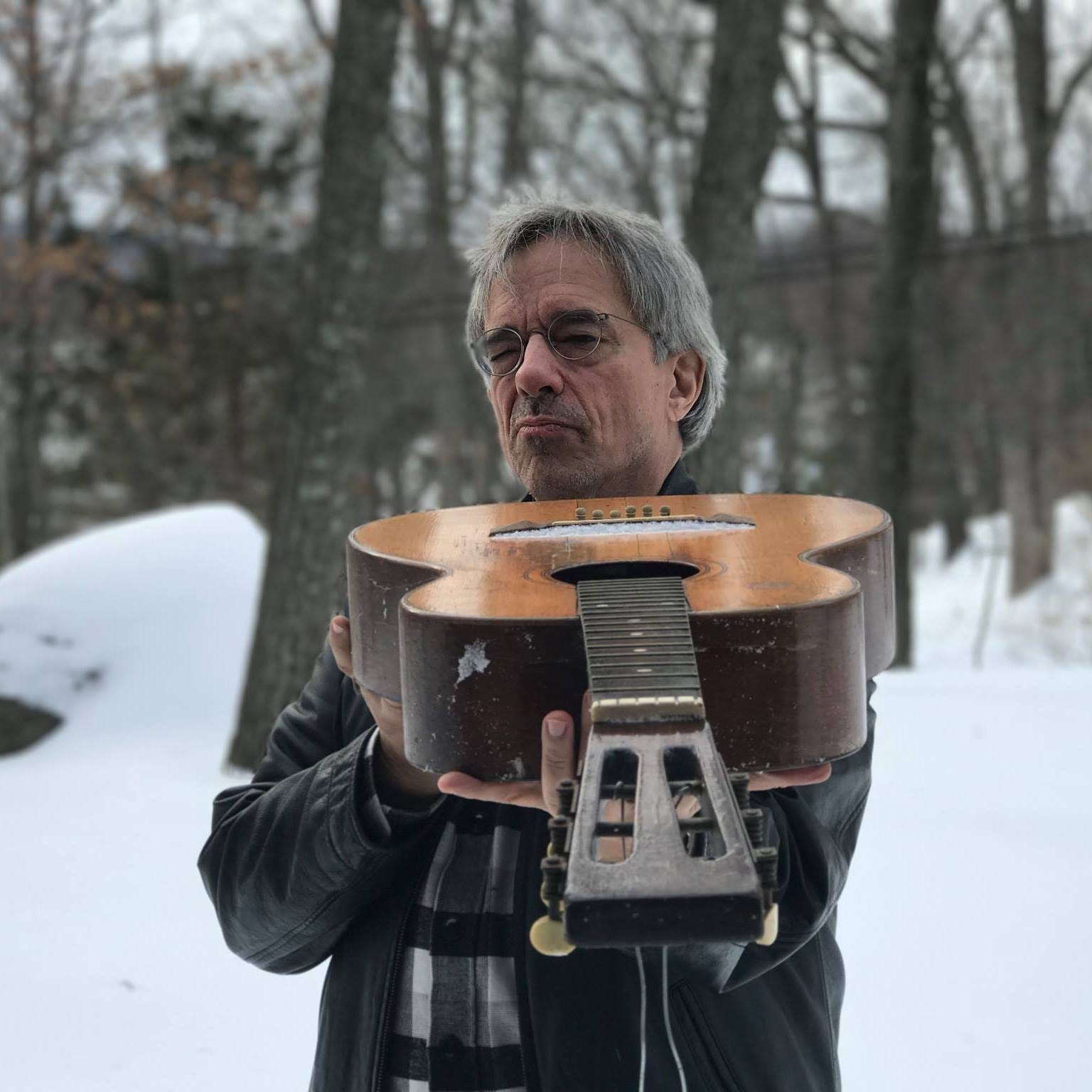
Ted Gioia has built a reputation over four decades as one of jazz’s most intellectually ambitious writers — a critic equally at home with close musical analysis, social history, and provocation. His book The History of Jazz remains the most widely read single-volume account of the music’s development, and his West Coast Jazz helped establish the critical legitimacy of a tradition long overshadowed by the New York narrative. He trained as a musician before becoming a writer, and that background is evident in the technical precision of his analyses.
In recent years, he has emerged as one of the most influential independent voices in music criticism more broadly through his Substack newsletter, which reaches a substantial audience across jazz, pop, and cultural commentary. His willingness to challenge the assumptions of the music industry — on streaming economics, critical gatekeeping, and the marginalization of musicianship — has made him as important as a polemicist as he is as a historian.

Nate Chinen (WBGO / The New York Times)
Nate Chinen represents a model of jazz journalism built for the present moment: a writer and broadcaster whose work reaches audiences across print, digital, and radio without losing the depth that serious jazz coverage demands. His years as a critic at The New York Times gave him a platform commensurate with his abilities, and his current role at WBGO, the premier jazz radio station in the United States, has extended his reach to a daily listening audience.His book Playing Changes: Jazz for the New Century is the most important recent account of contemporary jazz’s evolution — a study of how the music has absorbed hip-hop, global influences, and new institutional structures while remaining recognizably itself. He writes about young musicians with the same rigor and historical grounding he brings to established figures, which makes him an unusually reliable guide to what is actually happening in the music rather than simply what has already been canonized.

Ben Ratliff (The New York Times)
Ben Ratliff spent nearly two decades as a jazz and pop critic at The New York Times, producing a body of daily criticism that combined accessibility with genuine musical intelligence. His reviews were models of concision: he could place a single night’s performance within the arc of a musician’s career and the history of a style in a few hundred words, without either the compression or the historical context feeling forced.His book Coltrane: The Story of a Sound is among the finest critical studies of any jazz musician — an investigation into how Coltrane’s influence propagated through the music long after his death, reshaping the expectations of listeners and players alike. His subsequent book Every Song Ever moved beyond jazz into broader questions about how we listen and what we are actually responding to when music moves us. He is a critic whose ambitions have consistently exceeded the review format, and whose influence on how younger critics approach jazz writing is quietly substantial.
Howard Mandel (Various / Jazz Journalists Association)
Howard Mandel has spent decades as one of jazz journalism’s most committed institutional advocates as well as one of its most versatile writers. As the longtime president of the Jazz Journalists Association, he has worked to establish professional standards and mutual support in a field that has often lacked both. His criticism has appeared in DownBeat, the Village Voice, and numerous international publications, and his book Miles Ornette Cecil provides one of the most rigorous accounts of the avant-garde tradition in jazz writing.
His commitment to covering musicians who work outside commercial frameworks — the free improvisers, the experimentalists, the artists whose work is essential but routinely underserved by mainstream coverage — has made him a crucial advocate for the full range of what jazz encompasses. He is a writer whose influence on the culture of the field extends well beyond his byline count.

Will Friedwald (The Wall Street Journal / Various)
Will Friedwald has carved out a specialist authority in jazz vocal criticism that is genuinely without parallel. His multi-volume A Biographical Guide to the Great Jazz and Pop Singers is the most comprehensive reference work in its field, and his critical studies of Frank Sinatra, Tony Bennett, and the tradition of American popular song have established the serious intellectual framework within which that repertoire is now discussed. Writing primarily for The Wall Street Journal and various specialist publications, he brings both archival depth and close listening to a corner of jazz history that more generalist critics tend to overlook.
His work matters because the relationship between jazz and the popular song tradition is one of the music’s most contested and underexamined areas, and Friedwald is the writer who has most consistently argued that it deserves the same quality of sustained attention as the instrumental canon.
Ashley Kahn (Various / Author)
Ashley Kahn has pursued a different model from daily criticism — producing meticulously researched books about individual recordings and labels that function as definitive documents of their subjects. His studies of Miles Davis’s Kind of Blue and John Coltrane’s A Love Supreme are benchmarks for the form: they combine oral history, archival research, and musical analysis in ways that illuminate not just the recordings themselves but the conditions that made them possible.
His history of the ECM label and his work on the Impulse! Records story extend that approach to institutional history, examining how production choices and business decisions shape the music that survives. Kahn writes for a reader who wants to understand music deeply rather than simply evaluate it, and his patience with complexity and context make his books among the most important reference points in jazz literature.
How to engage leading jazz journalists
Jazz journalism is a specialist field operating within a media landscape that has grown considerably less hospitable to specialist coverage. The critics and writers listed here receive fewer pitches than their counterparts in pop, but they are also working with fewer resources and tighter publication windows. Getting their attention requires the same discipline it always did — and perhaps more.
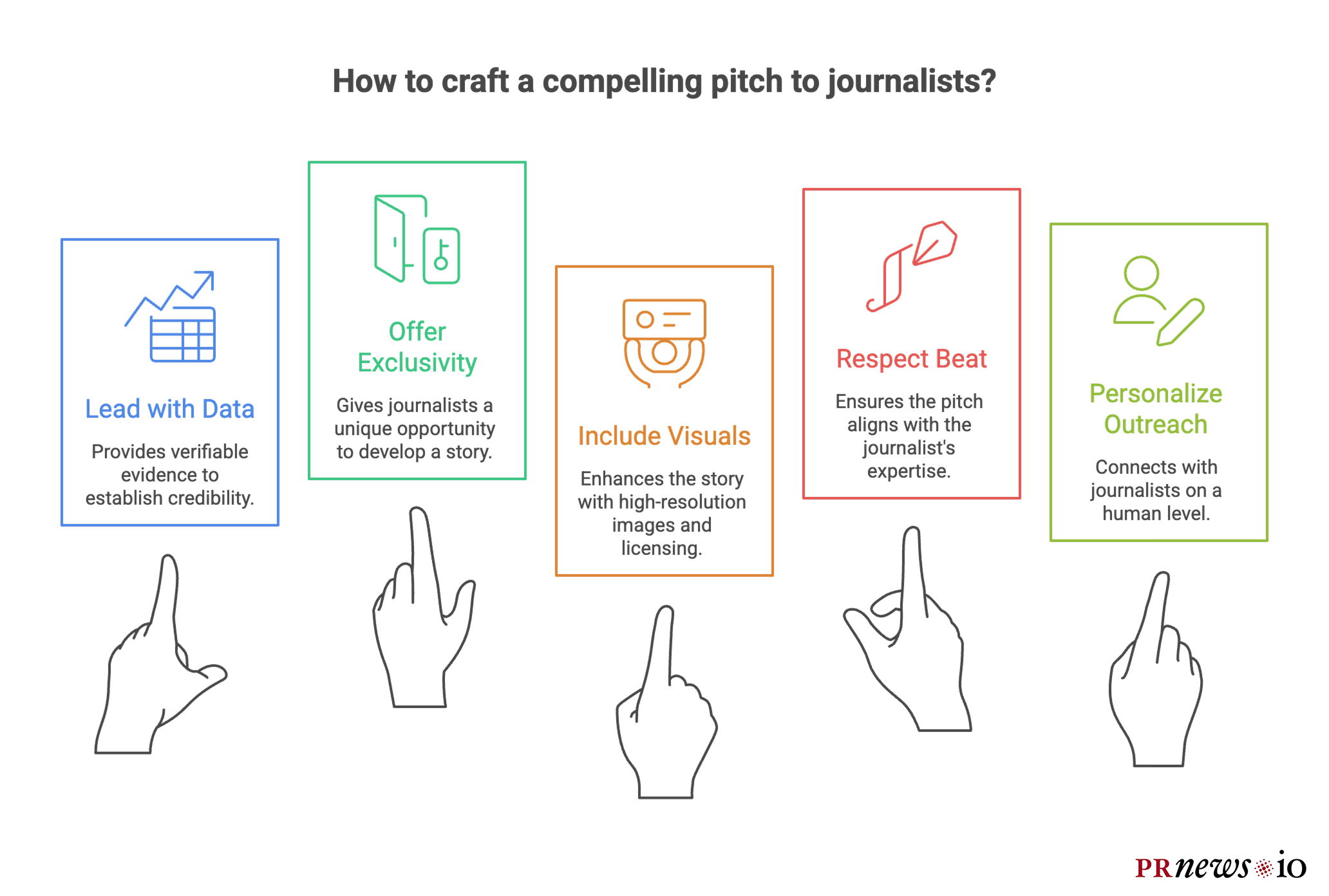
Lead with musical substance. The jazz journalists on this list are primarily interested in the music. Pitches that lead with a musician’s story, social significance, or market positioning without first establishing musical quality signal immediately that the sender has not read the publication. Musical argument — what makes this artist’s approach distinctive, what tradition they are working in and against — must come first.
Know the publication’s scope. DownBeat covers the full spectrum of jazz and related improvised music. Jazz Times skews more toward mainstream and contemporary. The New Yorker requires a frame that speaks to general-interest readers. WBGO is focused on the living music of New York. Pitches that ignore these distinctions waste everyone’s time.
Exclusivity over volume. A single journalist given the chance to develop a story before it becomes a press release will produce better coverage than ten journalists receiving the same material simultaneously. Jazz journalists work in a small community and talk to each other; a story that feels genuinely offered rather than broadcast will be treated accordingly.
High-quality audio, early. For any pitch involving a recording, provide a clean, embeddable, early listen. Critics cannot write about music they have not heard, and the ones who write best need time to listen properly — not a streaming link the week of release.
An alternative path to visibility
Securing coverage from the journalists on this list is genuinely difficult — which is precisely what makes their attention valuable. Jazz is a specialist field with a small but dedicated readership, and the critics who serve it are selective by necessity. For campaigns that require guaranteed placement and measurable reach while a longer-term media relationship is being developed, PRNEWS.IO offers a direct and structured alternative: no pitching, no waiting, no editorial approval.

The platform’s media catalog includes a Music filter that surfaces verified publications specializing in music, culture, and the entertainment industry — outlets with established, relevant readerships — allowing PR teams to identify and purchase placements that reach the right audience without the uncertainty of editorial outreach. The result is guaranteed publication in indexed, credible media: your story goes live on a defined timeline, with measurable reach, and without dependence on any individual journalist’s schedule or interest.

This is not a workaround or a lesser option — it is a different tool for a different purpose. A sustained pitching relationship with the critics and writers listed in this guide builds long-term credibility and drives the kind of earned media that shapes reputations over years. Guaranteed placement via PRNEWS.IO’s Music-filtered catalog ensures that your story is findable, indexed, and reaching relevant readers right now, while that longer-term credibility is being built. Sophisticated PR operations use both in parallel: targeted journalist outreach for prestige and narrative, PRNEWS.IO for consistent, controlled visibility on campaigns where timing and reach cannot be left to chance.
The enduring importance of jazz journalism
Jazz is a music that has always depended on criticism for its survival in the public conversation. Because it operates largely outside the commercial structures that generate mainstream attention, and because it demands a level of musical literacy from its audience that other genres do not, jazz has needed advocates as much as it has needed players. The journalists and critics on this list have served that function — not by explaining jazz to people who don’t care about it, but by giving the people who do care a deeper and more rigorous language for their engagement.
That function is more necessary now than at any point in recent memory. As media consolidation reduces the space for specialist coverage and algorithms direct attention toward the already-popular, the critics who insist on writing seriously about jazz are performing a genuine public service. Follow them, read them carefully, and support the publications that sustain them.