In today’s crowded digital world, a website’s Domain Rating (DR) — the authority score developed by Ahrefs — has become much more than just an SEO number. For publishers working with PRNEWS.IO, improving DR isn’t just about visibility; it’s a direct path to higher income, better clients, and stronger market position.
Why domain rating matters
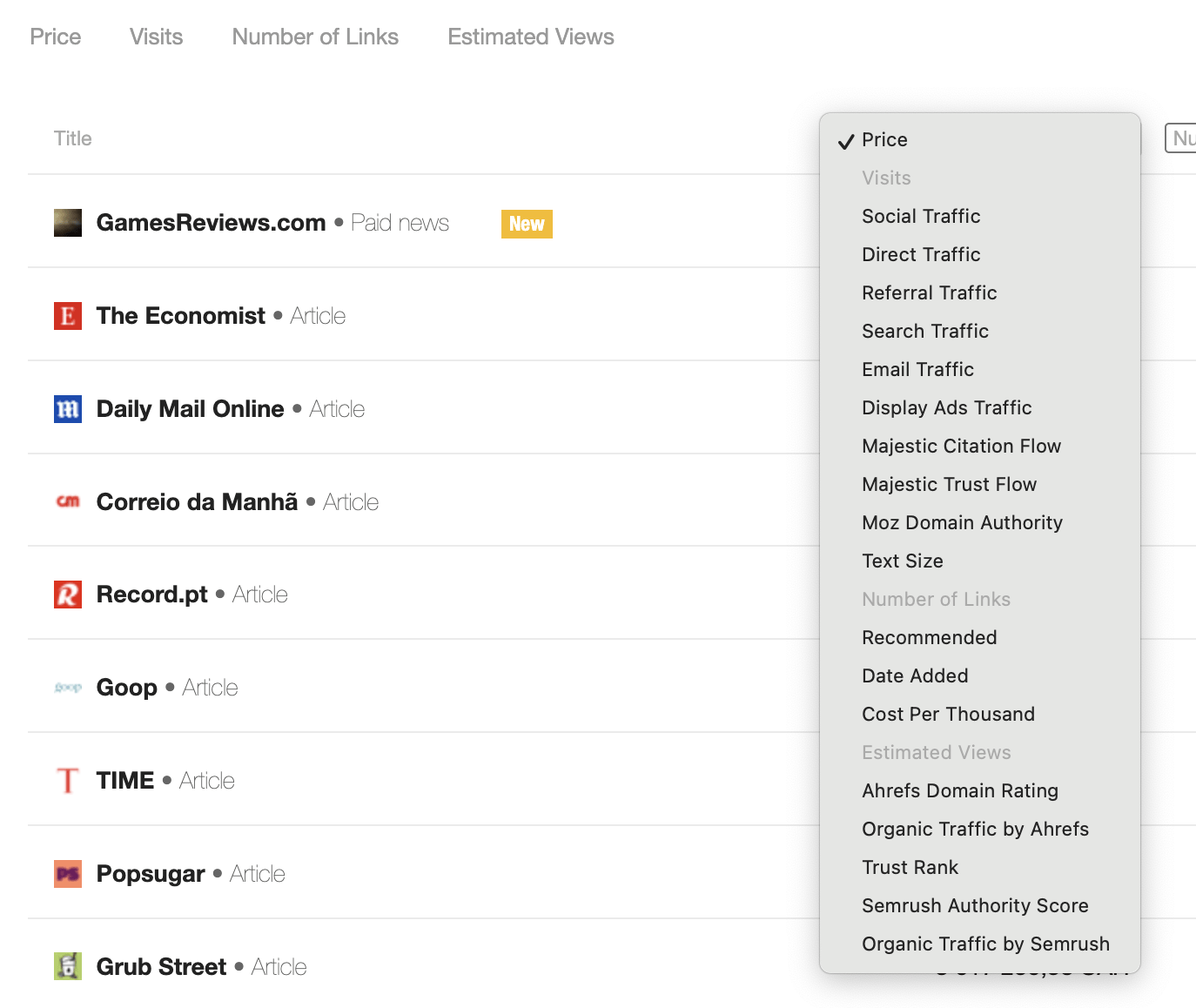
When brands and agencies search for media sites on PRNEWS.IO, they often use filters to find only the most trusted and authoritative domains. According to PRNEWS.IO’s internal data, most buyers set a minimum DR of 35.
That means if your site’s DR is below 35, it’s invisible to a huge number of potential deals — no matter how good your content or traffic is.
A high DR acts as a trust signal. It tells buyers that your site has already passed quality checks and earned strong backlinks from reputable sources. For them, it saves time and reduces risk. For you, it opens the door to premium campaigns and steady orders.
Because DR is measured on a logarithmic scale, every point gets harder to earn as you move up. Going from DR 20 to 30 is much easier than moving from 35 to 45. But once you cross that 35+ mark, every new point makes your site significantly more valuable.
The connection between DR and orders
Even though Google doesn’t use DR directly in its algorithms, it strongly correlates with higher rankings and visibility in search results. That’s why clients see DR as a reliable indicator of real influence.
A higher DR means:
- Your backlinks are more powerful (“link juice” passes more authority).
- Your site is seen as more trustworthy.
- Your content carries more reputation value.
PRNEWS.IO’s analysis shows that once a site reaches DR 35–49, order frequency jumps up to 3 times higher than for DR 20–34 sites. And sites with DR 50+ gain access to premium campaigns and top-tier brands willing to pay much more for placements.

When a website’s Domain Rating increases, its visibility and demand on PRNEWS.IO grow—clients often use DR filters and receive alerts for new publishers that match their criteria, leading to more orders without extra effort.
Sites with higher DR are also preferred for PRNEWS.IO services like SEO Boost and Linkwheel, which rely on authoritative domains.
Publishers who consistently post quality content usually see faster DR growth and more stable, long-term client demand.
Understanding DR in simple terms
Ahrefs’ Domain Rating measures how strong a website’s backlink profile is compared to others. It looks at how many unique websites link to you and how powerful those websites are.
Each site that links to you “shares” part of its authority — but it divides that value among all the sites it links to. So, getting links from strong, relevant sites with few outgoing links is much more valuable.
Other metrics, like Domain Authority (Moz) or Trust Flow (Majestic), are also useful, but DR is often preferred because it focuses purely on link authority — the factor most buyers and SEOs care about when purchasing placements.
For media publishers, DR also reflects editorial credibility. When reputable sources like universities, government organizations, or large media outlets cite your content, your DR naturally rises — proving that your content is trusted by others.
Building DR the right way: ethical digital PR
Improving your Domain Rating (DR) is not about chasing numbers — it’s about building real authority that both people and search engines recognize. The most effective and sustainable way to do this is through Ethical Digital PR, a modern approach that combines journalistic storytelling, SEO strategy, and relationship building.
Unlike old-fashioned link-building tactics that rely on mass outreach or link exchanges, Digital PR focuses on earning backlinks by creating value — producing content that others genuinely want to reference, share, or cite.
Let’s look at how publishers can do this step by step.
1. Focus on quality, not quantity
Many publishers make the mistake of thinking that more links automatically mean higher DR. But Ahrefs’ algorithm values link quality and diversity much more than volume.
A single backlink from a highly trusted, relevant website — like a government portal, major media outlet, or respected industry blog — can be worth more than dozens of random links from unrelated sites.
Here’s what quality means in practice:
- The linking site itself has a solid DR (preferably 40+).
- The site’s content is topically related to your own.
- The backlink is contextual — placed naturally within the article, not in a footer or spammy directory.
- The content around the link provides value to readers.
For example, if you run a tech publication, a backlink from TechCrunch or Wired carries far more weight than hundreds of generic mentions from lifestyle blogs.
Tip: Always prioritize relevance and authority over quantity. A smaller number of credible, thematic links can move your DR faster — and safer — than aggressive mass link-building campaigns.
2. Create link-worthy content
The foundation of ethical Digital PR is content that deserves to be cited.
When you produce materials that others find useful, surprising, or credible, backlinks come naturally.
Some proven formats include:
- Data-driven stories and reports: Original research, industry statistics, or proprietary data analysis. Example: “The State of Online Advertising 2025” backed by real numbers.
- Surveys and expert polls: Ask industry professionals for insights, then turn the results into visual reports. Journalists love citing data like this.
- Interactive tools or resources: Calculators, indexes, or maps that provide utility to users.
- Long-form analysis and evergreen guides: In-depth explanations of complex topics. These tend to attract citations over time.
- Opinion and commentary pieces: Thoughtful, well-argued opinions from experts can get quoted by other media.
Why this works:
High-quality content acts as a magnet for backlinks. It positions your publication as a source, not just another outlet. Other media, bloggers, and researchers cite you because your content saves them time and adds credibility to their own work.
3. Promote your content: outreach done right
Publishing valuable content is just step one. The second — and equally important — step is strategic outreach.
You need to make sure the right people see and cite your work.
Effective outreach means:
- Identify journalists, editors, and bloggers in your niche.
- Send personalized, respectful pitches explaining how your content adds value to their coverage.
- Focus on helping, not selling — position your content as a resource that strengthens their story.
- Use platforms like HARO (Help a Reporter Out), Qwoted, or Prowly to respond to journalist requests for data or expert quotes.
Don’t:
- Send mass, copy-paste outreach emails.
- Offer payment for backlinks (this violates Google’s policies and risks penalties).
- Spam unrelated sites.
Bonus technique – Unlinked mentions:
Monitor the web for cases where other sites mention your brand or article without linking to it. Using tools like Ahrefs Alerts or Google Alerts, you can find these mentions and politely ask them to add an active hyperlink.
This is one of the easiest and safest ways to gain new quality links.
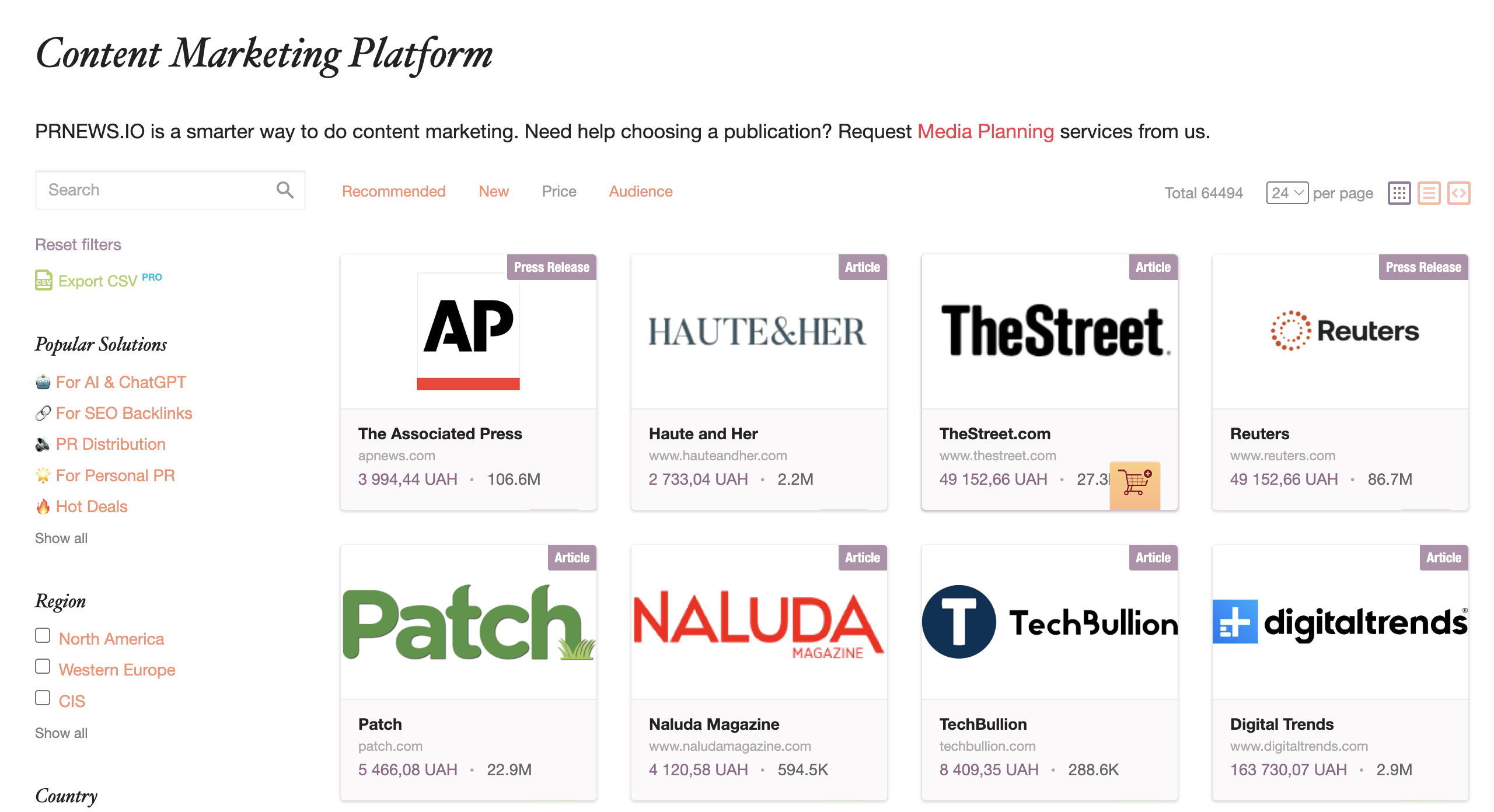
4. Leveraging PRNEWS.IO for Cost-Effective and Ethical DR Growth
Using your marketing budget inside the PRNEWS.IO platform—by investing in your own domain’s high-quality PR placements or content—can also ethically contribute to DR growth. Importantly, this approach helps publishers save on deposit commissions and other fees, maximizing budget efficiency while supporting legitimate digital PR efforts within an established ecosystem.
5. Maintain a healthy link profile
Your backlink profile is like your publication’s digital reputation. Over time, some low-quality or spammy links may appear naturally — for instance, from scraper sites or irrelevant directories.
It’s essential to audit and clean your link profile regularly.
How to do it:
- Use tools like Ahrefs, Google Search Console, or SEMrush to review new backlinks.
- Identify links from spammy or unrelated sources (e.g., casino sites, adult content, or foreign-language domains unrelated to your niche).
- Use Google’s Disavow Tool carefully to signal that you don’t want those links counted.
- Track changes in DR after disavowal — maintaining a “clean” backlink profile helps preserve long-term authority.
Think of it like maintaining your brand’s hygiene: if your name starts showing up in the wrong places, it can hurt your credibility, even if you didn’t put it there.

6. Build relationships, not just links
Digital PR is not a one-time task — it’s about building relationships that create long-term visibility.
Start by connecting with:
- Journalists who cover your industry regularly.
- Editors from media outlets that often publish expert commentary.
- Influencers or bloggers who produce consistent niche content.
- PR agencies or SEO professionals who might collaborate on research or joint campaigns.
Over time, these relationships lead to repeat citations and natural backlinks, without constant outreach.
When journalists trust your content quality, they’ll come back to you again and again.
7. Avoid “black hat” shortcuts
Tempting as it may be, avoid manipulative or artificial link-building techniques.
Buying links, participating in link farms, or using automated tools might give you a temporary boost — but it almost always ends in penalties or a sudden DR crash.
Google’s algorithms are now extremely sophisticated. They recognize unnatural link patterns, irrelevant anchor text, and paid link networks. If caught, your site could lose ranking positions, traffic, and even its placement opportunities on PRNEWS.IO.
In short:
Sustainable DR growth comes from earned links, not bought ones.
8. Measure, analyze, and refine
Finally, track the impact of your efforts.
Look beyond DR alone — monitor:
- The number of unique referring domains (growth should be steady and diverse).
- The average DR of linking sites.
- Traffic increases from organic search and referral sources.
- Which content formats or topics generate the most natural links.
By analyzing this data, you can identify what’s working best and repeat it — turning Digital PR into a measurable, ROI-driven part of your publishing strategy.
Ethical Digital PR is about earning recognition, not manipulating algorithms.
It combines great storytelling, useful content, and authentic industry relationships to build a backlink profile that lasts.
A publisher who follows this path doesn’t just increase DR — they build brand authority, editorial prestige, and financial stability.
The formula is simple:
Valuable content + Honest promotion + Consistent relationships = Sustainable DR growth.
Technical SEO: the foundation of high DR
Strong backlinks alone aren’t enough. To keep your DR high and your site trusted, it must also perform well technically.
- Speed matters: Fast-loading pages improve user experience and signal reliability to Google.
- Clean structure: Organize content logically so search engines can easily crawl and index it.
- Fix broken links: Maintain link hygiene — a site full of dead links can lose credibility.
- Use Schema markup: Structured data (like NewsArticle, Author, and Organization schemas) helps Google understand who wrote your content and confirms its authenticity. This strengthens your E-E-A-T signals — Experience, Expertise, Authoritativeness, and Trustworthiness.
How DR impacts revenue
Raising your DR doesn’t just increase visibility — it directly raises your earnings potential.
Example pricing trends (industry averages):
| DR Range | Typical Traffic | Average Link Placement Price | Market Impact |
| DR 20–29 | 4K–10K | $40–$100 | Entry level; focus on growth |
| DR 30–39 | 10K–100K | $80–$150 | Consistent, steady demand |
| DR 40–49 | 100K–500K | $130–$300 | Strong authority, rising prices |
| DR 50+ | 500K+ | $800–$1,000+ | Premium tier; exclusive campaigns |
Another way for publishers to facilitate DR growth while saving on fees is to use budgets within the PRNEWS.IO system itself. By spending money internally (for example, ordering content or services for their own domains directly through the platform), publishers not only invest in their DR but also avoid extra deposit commissions charged by payment providers. This reinvestment model benefits both their domain’s authority and their profit margin.
When your site crosses DR 50, you can position it as a premium media brand. High DR reduces price sensitivity — clients are willing to pay more for verified authority.
Additionally, a strong DR boosts organic traffic and improves programmatic ad revenue, since advertisers trust high-authority domains more and pay higher CPMs for them.
Key takeaways
- DR is a business metric, not just an SEO score.
It determines visibility, credibility, and earning power. - Aim for DR 35+ as a baseline.
This threshold opens access to serious clients and stable orders. - Invest in quality content and ethical link building.
Sustainable growth comes from valuable, shareable material — not shortcuts. - Maintain technical health and transparency.
Fast, structured, and transparent sites align with Google’s trust standards. - Treat DR as a long-term investment.
Every improvement compounds your reputation, rankings, and revenue potential.
Final thoughts
For publishers on PRNEWS.IO, improving your Domain Rating isn’t optional — it’s the cornerstone of sustainable growth. A strong DR helps you attract top-tier clients, charge premium prices, and future-proof your media business against search algorithm changes.
Think of DR as your digital reputation score.
The higher it climbs, the more doors open — from organic reach to brand collaborations.
Investing in your DR means investing in your publication’s long-term success.