In 2026, business growth is no longer about doing more. It’s about doing the right things — consistently and strategically.
Throwing more money into ads, launching endless campaigns, and pushing constant discounts doesn’t guarantee results anymore. Customers are more careful with their choices. Competition is heavier. And technology keeps moving faster than most teams can comfortably keep up with.
Below are five unexpected but highly practical business hacks that can help companies grow in 2026 — explained in clear, simple examples.
The real growth zone is inside your business
Acquisition drives growth — but without retention, it doesn’t matter. You can attract thousands of new customers, but if they don’t stay, buy again, or engage with your brand, your growth will always be unstable.
Retention is where profitability happens. Loyal customers increase lifetime value, lower acquisition costs, and create predictable revenue.
And retention starts from day one.
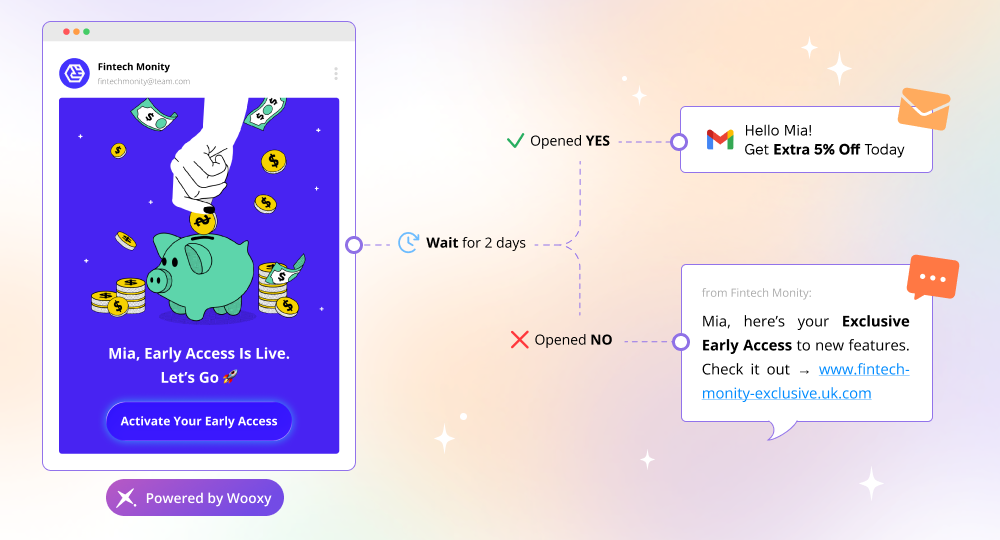
From welcome emails to onboarding flows and repeat purchase reminders, marketing automation helps you build relationships automatically. A strong welcome sequence builds trust. Onboarding reduces confusion. Post-purchase campaigns guide customers to the next step.
This is where multichannel platforms like Wooxy help. As a multichannel marketing solution, Wooxy connects email, SMS, push, and other channels into structured journeys — so every customer receives the right message at the right time.
Your loyal customers also expect more than basic promotions. Early-bird access, birthday offers, loyalty rewards, and personalized promo codes make them feel valued. Even small touches — like using their name or sending exclusive discounts — increase repeat purchases.
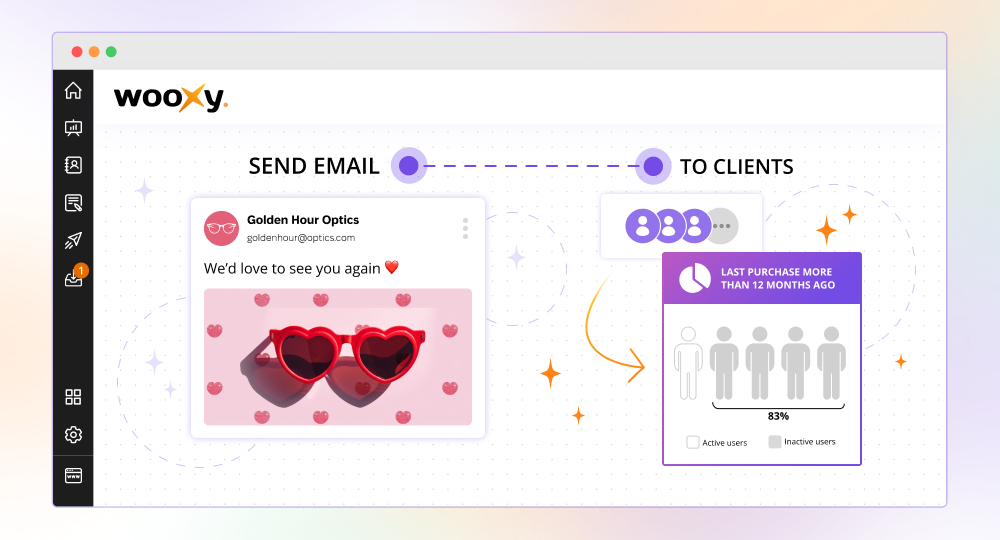
And don’t forget your churn audience. Inactive customers are often easier to win back than you think. Many of them didn’t leave because they were unhappy — they just got distracted. A simple check-in, a short feedback request, or a thoughtful “we’d love to see you again” offer can reopen the conversation. If you approach it with the right tone — not pushy, not desperate — you can rebuild trust and turn them into loyal customers again.
Strong collaboration between internal marketing (emails, automation, loyalty programs) and external communication (PR, media, brand storytelling) creates a consistent brand experience. When customers see your expertise publicly and feel it privately through personalized messages, trust grows — and trust drives retention.
Collaborate with brands that share your audience
Partnering with brands that reach a similar audience can accelerate growth more effectively than chasing cold leads. The key is finding complementary products or services. For example:
- A fitness studio teams up with a healthy meal delivery service to offer bundled subscriptions.
- A coffee brand partners with a local bookstore to run joint promotions, like free coffee with book purchases.
- A SaaS tool for freelancers collaborates with a tax software company to provide a combined guide or webinar.
Collaborations can take many forms: co-branded campaigns, bundled offers, giveaways, joint events, or even shared content on social media. The benefit? You expand your reach, share credibility, and create value for your audience while introducing your brand to new but relevant customers.
Study competitors’ weaknesses instead of their strengths
While many businesses focus solely on copying competitors’ strengths and trying to do the same things better, real growth often comes from identifying the areas where they fall short. Many companies obsess over competitors’ strengths. They try to copy what seems to be working.
But growth often hides in the opposite direction.
Instead of asking, “What are they doing well?” ask, “Where are they failing?”. Customer reviews are full of opportunities. By analyzing your competitors’ weaknesses — the problems their customers face, gaps in their services, or complaints they ignore — you can uncover your own growth opportunities and attract new clients.
Check review platforms like Google Reviews, social media comments, or sites like G2 to see what customers are frustrated with, then design solutions that fill those gaps. Your competitors’ challenges can become your biggest advantage.
Take these cases:
- A subscription box brand sees complaints about poor packaging — they invest in eco-friendly, durable packaging.
- An online course platform finds users frustrated by the lack of mentorship — they add live Q&A sessions.
This approach allows you to position your brand as more attentive, reliable, and customer-focused. Use customer reviews, forums, and social media discussions to uncover areas where others fall short, and then craft solutions that fill those gaps.

Find inspiration outside your industry
Sometimes the best ideas don’t come from your competitors — they come from entirely different industries. Cross-industry inspiration can spark creativity and differentiate your brand.
Here are a few examples:
- A tech startup borrows storytelling techniques from film marketing to make onboarding more engaging.
- A fashion retailer adopts gamification mechanics from mobile gaming to reward repeat purchases.
Looking outside your sector encourages fresh perspectives, helps break stale routines, and often leads to innovative strategies your competitors haven’t tried.
AI is no longer optional — it is infrastructure
Many leaders feel overwhelmed by constant discussions about artificial intelligence. It appears in every presentation, every tool, every new platform. A few years ago, artificial intelligence felt experimental. Optional. Something to “try.”
However, in 2026, AI is not a trend. It is an operational infrastructure. Ignoring it is no longer a neutral decision. It creates lost potential.
Platforms like Wooxy offer AI-powered marketing assistants that help you generate personalized emails, SMS, and push campaigns automatically. Wooxy’s AI can suggest subject lines that increase open rates, recommend content tailored to each segment, and identify customers at risk of churn. With these insights, you can engage clients faster, improve retention, and drive repeat purchases — all without overloading your team.
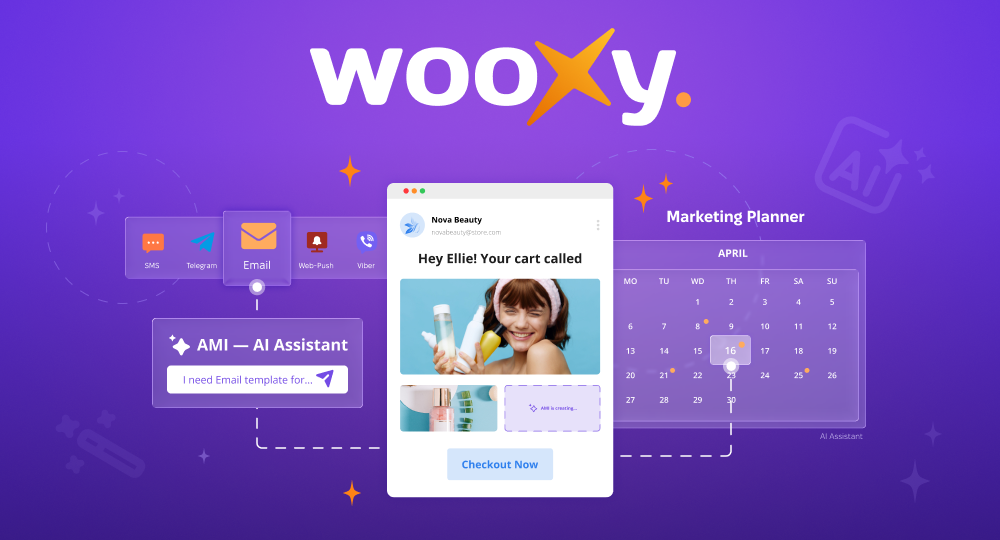
AI does not replace strategy. It supports it. When implemented correctly, it accelerates execution, improves decision-making, and increases sales.
Conclusion
Growth in 2026 is about more than attracting new customers. The real advantage comes from combining smart acquisition with strong retention, creative strategies, and modern technology. Collaborating with complementary brands, learning from competitors’ weaknesses, finding inspiration outside your industry, and using AI-powered tools help you stand out, engage your audience, and build lasting loyalty.
Focusing on both internal processes and external brand presence lets businesses grow faster and create sustainable customer ecosystems. Innovation, personalization, and smart technology are the keys to staying ahead.
How do you approach growth in your business? Share your thoughts and experiences in the comments — we’d love to hear your perspective!