At PRNEWS.IO, we continue to shine a light on powerful voices in the communications world through our project Her PR Journey. This series features interviews with inspiring women who’ve shaped—and reshaped—their paths in PR and beyond.
Meet Blair Nicole Nastasi: former PR agency CEO turned self-compassion coach and PhD candidate. In this conversation, Blair opens up about her journey from hustle to healing, the cost of perfectionism, and how she now helps others reconnect with themselves in meaningful, lasting ways.
Blair recently shared her story with us in a thoughtful and generous way, even passing along a few helpful links and resources for anyone curious to explore her work further.
Let’s dive into her journey—from the fast-paced world of PR to a new mission rooted in healing, boundaries, and redefining success on your own terms.
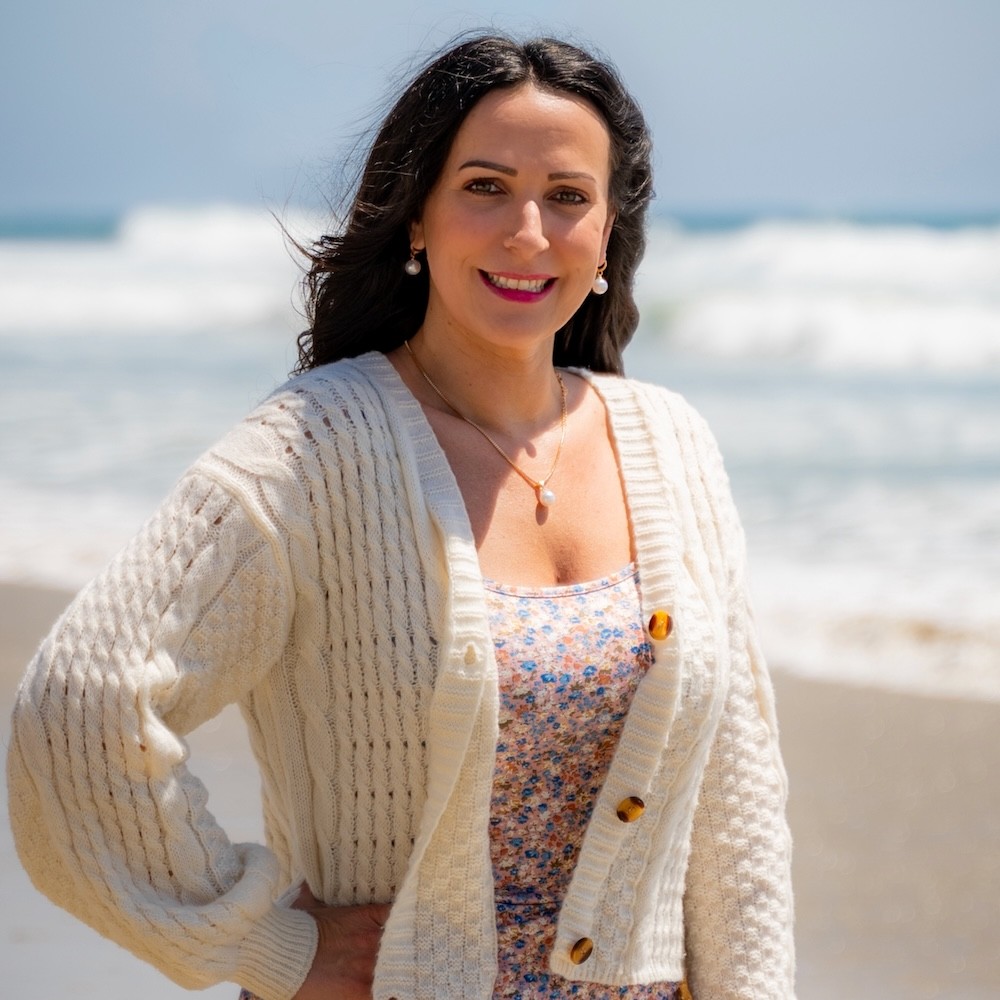
From PR leader to self-compassion coach
The journey
Your journey from PR agency CEO to self-compassion coach is both inspiring and unique. What prompted this major shift in your career?
My shift into mental health has been a long time coming. I’ve always been passionate about mental health, partly because I’ve watched so many people I love struggle. For years, I volunteered in the community, served on nonprofit boards focused on mental health, and quietly carried this deep desire to do more.
Then, during the pandemic, I started reevaluating everything. I quietly went back to school while still running my PR business full time, earned my master’s in counseling psychology, trained as a trauma therapist, and slowly started shifting my life and my work in a new direction.
At first, I wasn’t totally sure where I wanted to land. Then, I started a PhD program and began researching the impact of self-compassion on mental health, on things like shame, anxiety, perfectionism, even trauma, and something clicked.
So now, I help people cultivate a connected, compassionate relationship with themself—not through fluffy affirmations or toxic positivity, but through evidence-based tools, nervous system regulation, parts work, and real emotional healing. I turned everything I was learning into coaching programs and courses so I could reach people beyond the therapy room.
How did your experience in the PR world shape your understanding of hustle culture and its effects on mental health, especially for professional women?
Oh, I definitely feel this one. Hustle culture is practically baked into the PR world. You’re expected to be available 24/7 to stay on top of breaking news, client needs, brand reputation crises, etc. It’s also extremely competitive, which can make it really hard to slow down or step back without feeling like you’re falling behind.
Eventually, I hit a point where I just couldn’t keep doing it. I started setting boundaries with clients: simple things like not responding to emails at midnight, and while not everyone loved it, I started to feel human again. My mental health improved. My creativity came back. And I realized: this wasn’t just a me thing. So many professionals, especially women, are stuck in that same cycle of overachieving, perfectionism, and self-neglect.
That’s another big part of what led me into this work. I wanted to help other high-achieving women break free from the hustle trap; not by abandoning their goals, but by learning a new way to succeed: one that’s sustainable, self-compassionate, and actually feels good. Because we’re allowed to be successful and emotionally well.
Looking back, what were the pivotal moments that made you realize it was time to prioritize mental wellness—both for yourself and others?
Two things were happening at the same time. I was getting more and more burnt out running my PR business and felt deeply ready for a change. And at the same time, my husband and I were both starting to heal some of our own trauma and mental health challenges—and the impact it had on our lives was undeniable. It made me want to help other people experience that kind of transformation too.
Self-compassion & mental wellness
You often speak about the dangers of perfectionism and burnout. Why do you think these issues are so prevalent among high-achieving women today?
I think a lot of us are scared of what might happen if we don’t hold ourselves to impossible standards. We’ve been conditioned to believe that our worth is tied to how much we do, how well we perform, and how selfless we can be. And for women especially, the pressure is intense. We’re expected to be great moms, great partners, successful in our careers, contribute to our communities… all while looking like we have it together.
For a long time, I didn’t even realize I had permission to say no or put something down. I thought being exhausted and overextended was just a normal part of life. But that kind of pressure isn’t sustainable. It disconnects us from ourselves and eventually leads to burnout, resentment, and shame.
That’s why I’m so passionate about this work, because we do have a choice. We can rewrite the story. And it starts with remembering that we’re allowed to be human, and that we’re worthy even when we’re not performing or producing.
Can you share a few transformative self-compassion practices that have made a significant difference for your clients—or in your own life?
Of course, there are the surface-level practices like setting boundaries, saying no, or taking a break when you’re burnt out, and those are important. But for many of us, the deeper work begins when we realize we were never really taught how to love ourselves. And re-learning that is a process.
Self-compassion isn’t just something you can think your way into or fix with a few affirmations. If it were that simple, most of us would already feel amazing. What actually makes the difference is learning how to work with the parts of you that feel unworthy, scared, or stuck.
For me and my clients, this often looks like a mix of inner parts work, emotion-focused techniques, and nervous system regulation, grounded in principles of neuroscience. For example: Instead of forcing yourself to “just believe you’re enough,” or beating yourself up for being self-critical, you might gently tune into the part of you that doesn’t believe that yet. Get curious. What is it afraid of? When did it first show up? Then you start responding to that part with compassion: not just mentally, but through feelings and nervous system exercises that help it feel safe and seen.
When you approach healing in a way that gives a voice and a safe space to the parts of you that are stuck, scared and overwhelmed, things start to shift. Not overnight, but over time with consistency. That’s when self-love stops being a concept and starts becoming a felt experience.
As a PhD candidate researching self-compassion, what are some emerging findings or insights you’re particularly excited about?
What I’ve found so far flies in the face of so much of what we’ve been taught. We live in a culture that praises grit, willpower, and “pushing through”, as if the way to grow is to shame ourselves into success and happiness. But the research, and my lived experience, say the opposite.
What actually fosters real, lasting change is self-compassion. When we forgive ourselves, allow space for imperfection, give our emotions some breathing room, and treat ourselves with care instead of criticism, we create the internal safety needed for growth. It’s not weakness, it’s the foundation for resilience.
What’s even more exciting is that we’re seeing this across a wide range of mental health challenges: perfectionism, shame, anxiety, even trauma, and addiction. Harsh self-talk and internal pressure don’t motivate us in the long term; they contribute to a shame cycle that keeps us stuck. But compassion creates room to breathe, reflect, and try again. And that’s what helps people truly heal and thrive.
PR meets wellness
You bring a rare combination of PR expertise and psychology to the table. How do you merge these worlds in your current work?
I use my PR background to bring more visibility to mental health topics that are important to me. My skill set helps me translate complex ideas into messages that actually resonate and reach the people who need them.
What role does storytelling—through media or personal narrative—play in helping women reconnect with themselves and their worth?
Storytelling is powerful because it makes hard topics feel less lonely. When someone sees themselves in your story, they feel understood, and that connection can be the first step toward healing.
Media presence & personal branding
You’ve been featured in Forbes, Newsweek, MSN, and Entrepreneur. How has strategic media exposure impacted your mission and message?
It’s helped people around the world find me, connect with my message, and access the mental health resources they need. It’s also opened doors to collaborate with others in the mental health space who share the same mission.
What advice would you give to women entrepreneurs or coaches who want to build a strong personal brand in the wellness space?
Be yourself, take a clear stance, and don’t try to be everywhere—start with 2–3 channels you genuinely enjoy and can show up on consistently. Authenticity and focus will take you further than trying to be everything to everyone.
In a time of “highlight reels,” how do you maintain authenticity in your brand while still leveraging media visibility?
At the start of each day, I check in with myself before I do anything else with my day. I ground myself by asking, Who am I, and what am I really here for? I take everything else off the table—expectations, comparison, pressure—and come back to my core vision and values. That clarity makes it so much easier to speak honestly, make aligned decisions, and show up in a way that feels real, even in a media-driven world. When you’re rooted in who you are, authenticity stops being something you “try” to do, it just becomes your way of life.

The blog & beyond
Your blog,www.blairnicole.blog, is a hub for mindfulness, compassion, and real talk. What inspired you to start it, and what do you hope readers take away from it?
I started the blog to write to the version of me from five years ago who was struggling and didn’t have the answers she needed. My hope is that readers find real answers, hope, and validation for the questions so many of us quietly carry, and maybe feel a little less alone in the process.
Which blog posts or resources have resonated most with your readers—and why do you think that is?
The resources I consistently get the most positive feedback on are my two coaching programs and my free guided meditation series.
My Rest Without Guilt mini course helps people learn how to relax without guilt or rumination, which is something so many high-achieving women struggle with. My full-length course, Becoming the Love of Your Life, is a deeper, immersive journey into self-trust, emotional healing, and true self-love: not the fluffy kind, but the kind that actually shifts your life.
And my free, UNWIND guided meditation series gives people a chance to take a “mental vacation”—no passport, plane ticket, or time off required. Just a few minutes to breathe, reset, and reconnect.
Final thoughts
If you could give one message to women who feel stuck in hustle culture and perfectionism, what would it be?
Remember: you already have the answers within you—you just need to slow down enough to hear them. If you’re feeling the call to rest, to soften, to shift something in your life… trust that. It’s possible to change. It’s not always easy, but you don’t have to carry it all or do it alone.
What’s next for you in your journey—personally, professionally, or academically
I’m finishing up my PhD, and I hope to use that work to push for real change in how we treat mental health and addiction, especially for those who’ve been underserved and marginalized communities.
I’m also expanding my coaching programs to support more women who feel stuck but are ready to shift their lives. These are the women I relate to most because I’ve been there. I know what it’s like to feel overwhelmed, high-functioning on the outside, but lost on the inside.
Right now, I’m also working on a memoir that I hope to publish next year, and eventually, I’d love to launch in-person retreats that bring together healing, connection, and travel.