The art journalism landscape is a study in contrasts: legacy print institutions fighting for relevance alongside nimble digital-first voices commanding audiences that would have been unimaginable a decade ago. A single Substack post from the right critic can shift a gallery’s reputation. A video essay on YouTube can introduce a forgotten artist to millions. A data-driven investigation on artnet News can rattle the auction world.
This list exists because navigating that landscape is genuinely hard. The names below represent the journalists whose work defines quality, who set the terms of debate, and whose bylines carry genuine cultural authority.
Famous art journalists
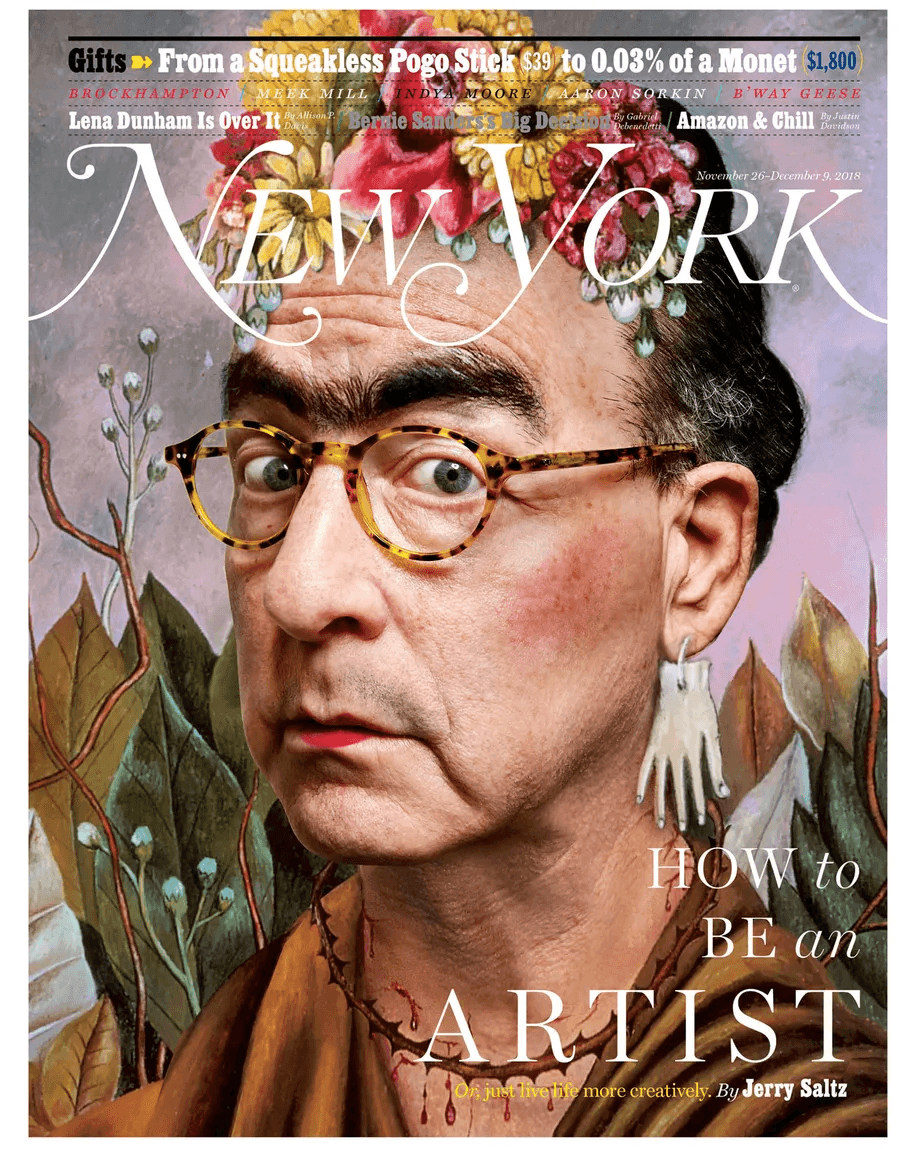
Jerry Saltz (New York Magazine)
Perhaps the most recognizable name in contemporary art criticism, Jerry Saltz has built an unlikely mass following through a combination of Pulitzer Prize-winning rigor and a genuinely populist instinct. His reviews for New York Magazine and Vulture are written in a voice that is confessional, urgent, and occasionally combative — he writes about standing in front of a painting the way other critics write about ideas. On social media, he is omnipresent, responding to readers and challenging institutions with equal enthusiasm. For all his accessibility, his critical standards remain uncompromising and his influence over the reputation of living artists is very real.
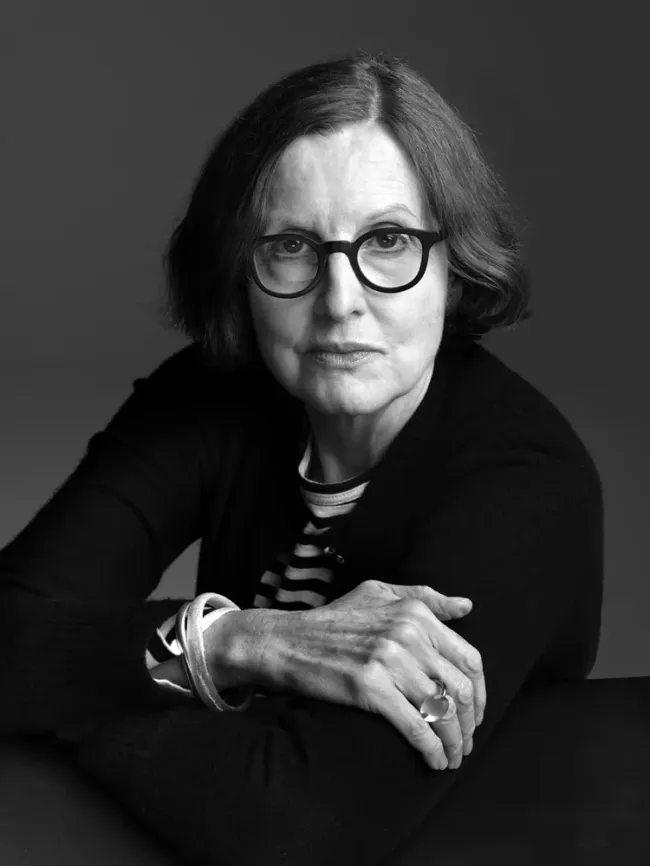
Roberta Smith (The New York Times)
Roberta Smith has spent nearly five decades at the apex of American art criticism, and her writing at the Times remains the standard against which serious formalist criticism is measured. Her reviews are models of close looking: she takes the physical and material facts of a work seriously before reaching for interpretation, and she is as comfortable dismissing a hyped gallery show as she is championing an overlooked figure. As co-chief art critic of the most-read English-language newspaper in the world, her influence over the reputation economy of New York’s gallery scene is without parallel.

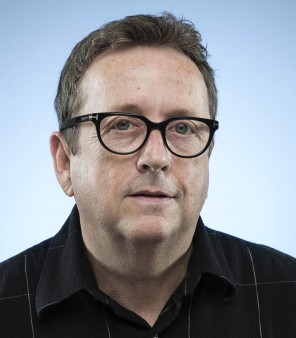
Christopher Knight (L.A. Times)
A Pulitzer Prize winner and the defining critical voice of the West Coast art world, Christopher Knight has spent decades arguing — persuasively and persistently — that Los Angeles is not a provincial outpost of New York but an entirely distinct center of artistic production with its own intellectual traditions. His institutional critiques are among the sharpest in the field: he holds museums, funders, and collectors to account with a rigor that many publications shy away from. His deep knowledge of California modernism and the Pacific Rim gives his writing a geographical specificity that is genuinely rare in major American criticism.
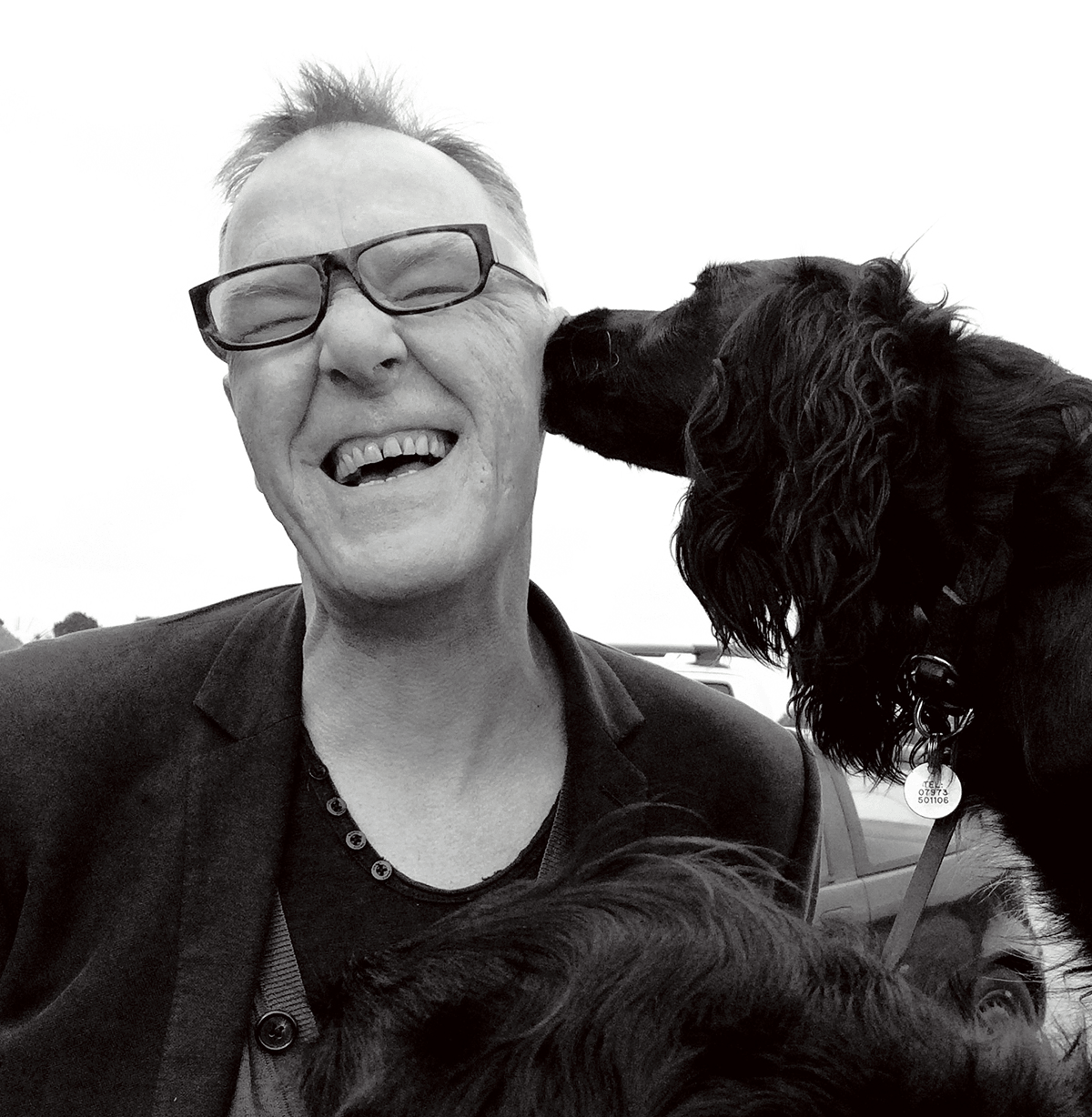
Adrian Searle (The Guardian)
Adrian Searle brings something unusual to major-publication criticism: he trained as an artist before he became a writer, and that experience shows in the tactile, sensory quality of his prose. His reviews for the Guardian are among the most pleasurable to read in the field — evocative, often funny, and grounded in a very direct encounter with the physical experience of standing in front of work. He is the UK’s most prominent working critic, and his ability to move between major retrospectives and smaller gallery shows without condescension in either direction has made him the default reference point for British art coverage internationally.
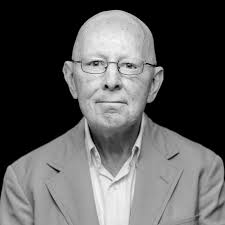
Holland Cotter (The New York Times)
Holland Cotter is perhaps the most intellectually adventurous of the senior critics at major American publications, regularly placing gallery shows and museum exhibitions within historical and spiritual frameworks that most critics would not dare attempt. His writing on non-Western art — particularly art from Asia, Africa, and the Middle East — has done more than any other body of criticism to argue that these traditions deserve the same quality of sustained attention as the Western canon. His prose has a poet’s rhythm, and his investigations into antiquities repatriation have made him as important as a reporter as he is as a critic.
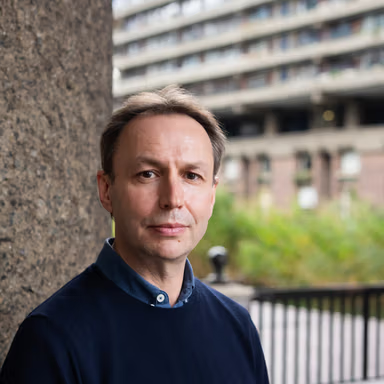
Ben Luke (The Art Newspaper)
Ben Luke occupies a distinctive position in contemporary art media as both a writer and a broadcaster: his role as host of The Art Newspaper’s The Week in Art podcast has made him one of the most consistently audible voices in the field, reaching an audience that extends well beyond traditional print readership. As a journalist, he specializes in the major infrastructure of the international art world — biennials, art fairs, museum programming — and brings a chronicler’s patience to understanding how these institutions evolve over time. His coverage provides an invaluable map of the field for collectors, curators, and cultural professionals working across borders.
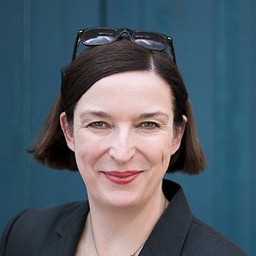
Jane Morris (The Art Newspaper / Cultureshock)
As editor-at-large of The Art Newspaper, Jane Morris operates at the intersection of art, cultural policy, and the built environment in ways that few journalists in the field attempt. Her work on museum architecture — how institutions physically express their values through the buildings they commission and the spaces they create — is particularly distinctive, connecting questions of design and access to deeper arguments about who cultural institutions are actually for. Her editorial experience gives her writing a precision and authority that is immediately apparent, and her ability to hold policy debates and aesthetic arguments together in a single piece is a genuine talent.
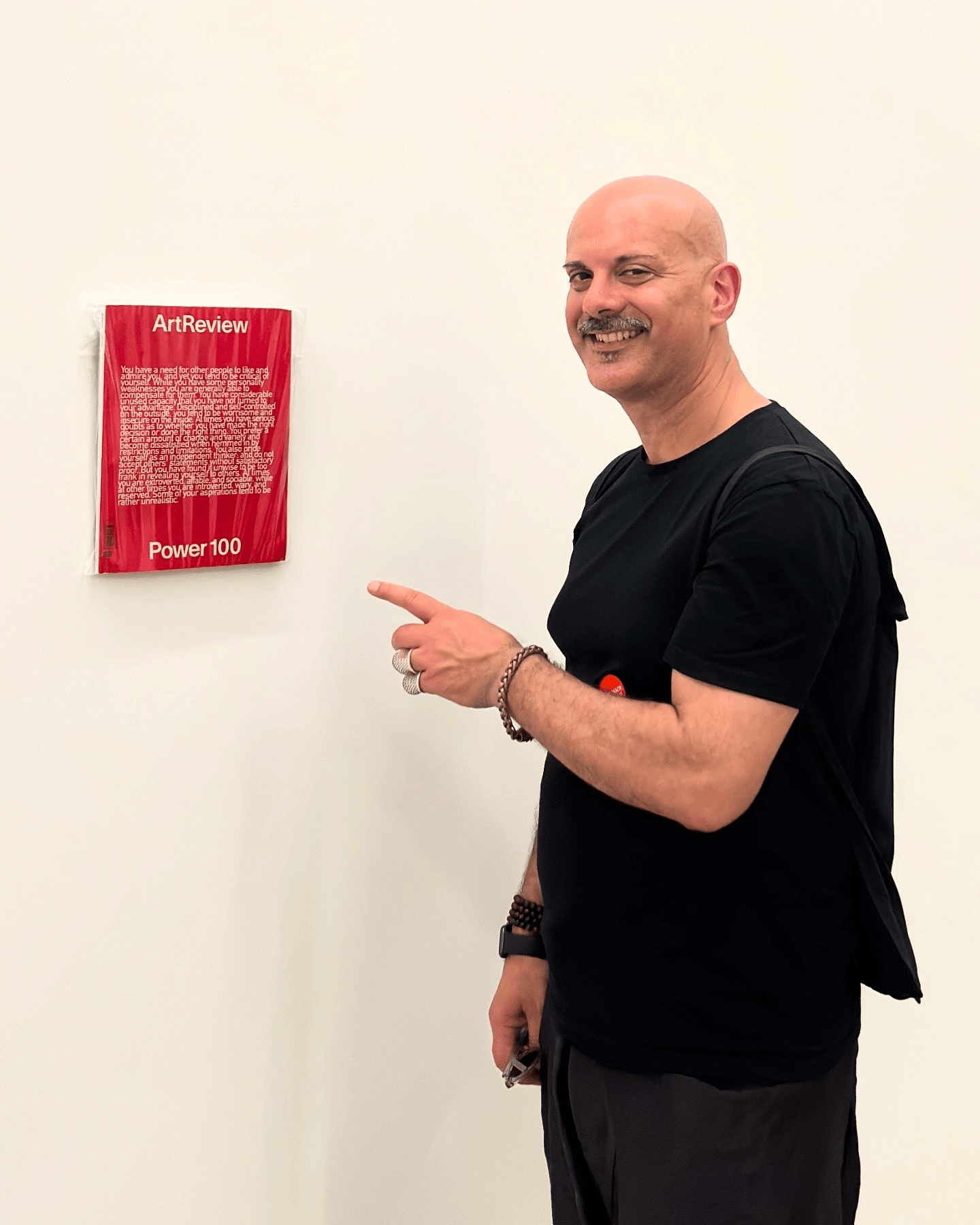
Mark Rappolt (ArtReview)
As Editor-in-Chief of ArtReview, Mark Rappolt oversees one of the art world’s most influential editorial platforms, including the annual Power 100 list that has become a genuine barometer — and occasional flashpoint — of art world status. But his influence extends beyond institutional management into a consistent intellectual project: his own writing and the agenda he has set for ArtReview consistently examines how art intersects with broader cultural, political, and technological forces rather than treating it as an autonomous realm. Under his editorship, the magazine has become a place where genuinely theoretical ambition coexists with accessible, engaged writing.
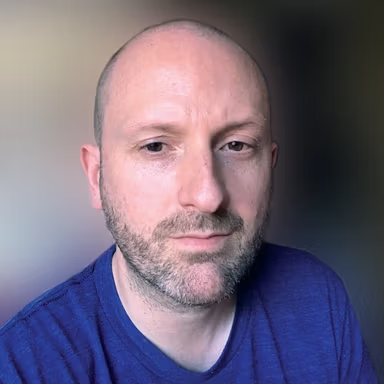
Gareth Harris (The Art Newspaper)
Gareth Harris has carved out a specialist authority at The Art Newspaper that is hard to replicate: his combined expertise in cultural heritage law, restitution debates, and the dynamics of the Middle Eastern art market gives him a beat that sits at the convergence of some of the most politically charged stories in contemporary art. His reporting on disputed objects, repatriation claims, and the emergence of Gulf collecting culture is methodically sourced and admirably free of the sensationalism that sometimes distorts coverage in these areas. For anyone working in cultural heritage, international collecting, or regional art market development, his byline is essential reading.
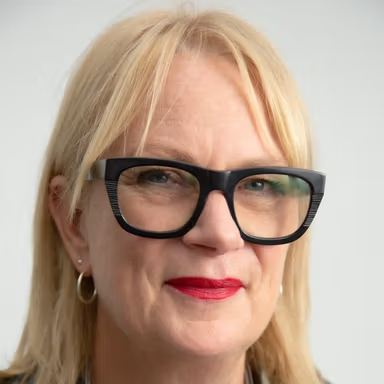
Louisa Buck (The Art Newspaper)
Louisa Buck is one of the British art world’s most enduring and versatile correspondents — a journalist whose career has tracked the transformation of the contemporary British scene from the YBA moment through to the present. Her regular contributions to The Art Newspaper are grounded in genuine relationships with artists, gallerists, and curators built over decades, and her broadcast commentary for outlets including the BBC has given her a public presence that extends beyond specialist readership. She covers the contemporary scene with the confidence of someone who has been watching it closely long enough to know exactly what is new and what is merely recycled.
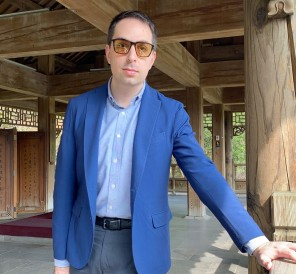
Jason Farago (The New York Times)
Jason Farago has developed a genuinely distinctive format for art criticism in the digital age: his “Close Read” features for the Times use interactive technology to take readers into individual works of art with a granularity that print criticism cannot achieve, zooming into brushstrokes and compositional decisions while building an argument around them. His criticism is unusually historically informed for a writer working at a general publication, and he is as comfortable writing about a sixteenth-century altarpiece as a contemporary installation. As a critic-at-large, he pursues the connections between art history and the present with a rigor and elegance that place him among the most important critics working today.
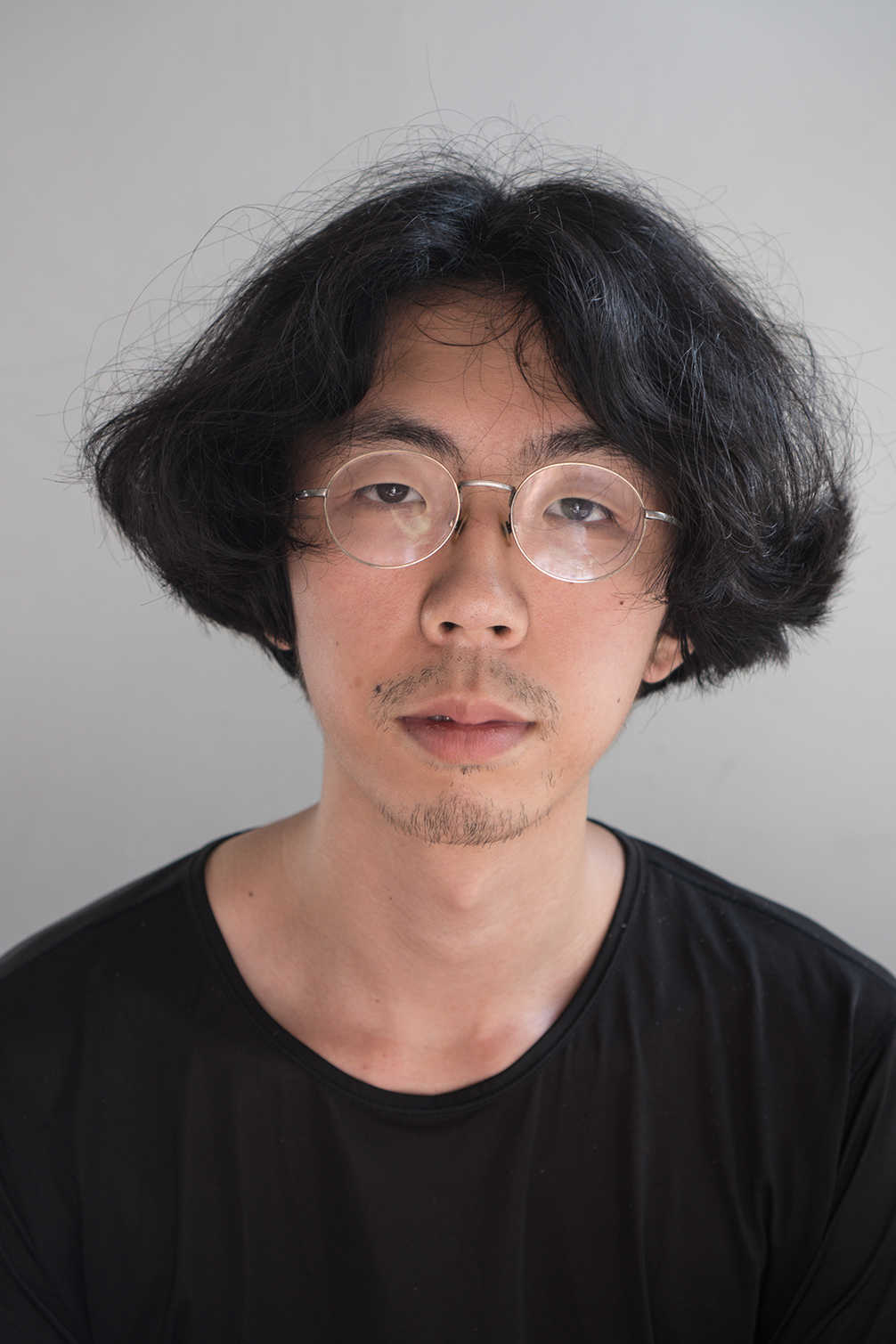
Gary Zhexi Zhang (Frieze / ArtReview)
Gary Zhexi Zhang occupies a genuinely unusual position in contemporary art writing: he approaches criticism as an artist-writer whose own practice informs a theoretical sensibility that draws on cosmology, systems theory, and political economy in equal measure. His essays for Frieze and ArtReview are among the most intellectually challenging being published in mainstream art media, asking readers to hold together arguments about speculative finance, planetary computation, and aesthetic experience simultaneously. He is not a writer who makes things easy, but for readers willing to follow his thinking, his work opens up connections between art and its broader cultural context that more conventional criticism simply cannot access.
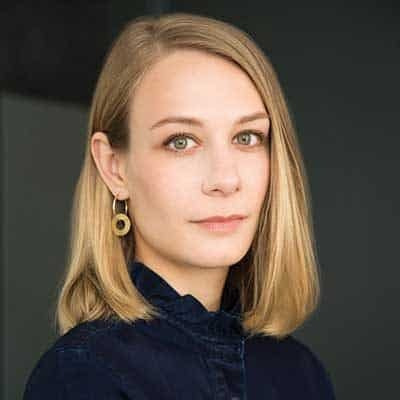
Elvia Wilk (Triple Canopy / Artforum)
Elvia Wilk has positioned herself as one of the most significant critics working at the intersection of contemporary art, ecology, and speculative thinking about technology and its futures. Her essays — published primarily at Triple Canopy and Artforum — are associated with a mode of “new weird” criticism that refuses the boundaries between art writing, fiction, and cultural theory, treating the essay form itself as a site of experiment. Her book Death by Landscape established her as a writer whose influence extends beyond art criticism into broader conversations about how we narrate environmental crisis, and her journalism reflects that expanded sense of what art writing can address.
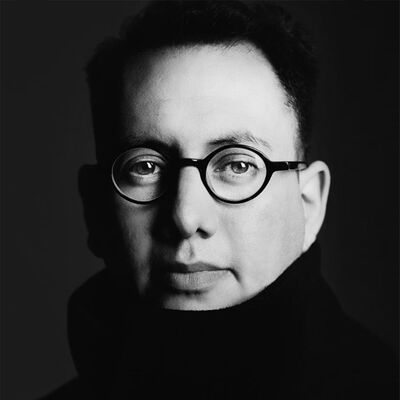
Refik Anadol (Contributor/Speaker)
Though primarily known as a practicing artist, Refik Anadol has become one of the most important voices in the emerging literature of AI and data-driven aesthetics through his essays, lectures, and public statements about the philosophical implications of his own practice. His writing approaches questions about machine intelligence, collective memory, and the future of creative authorship from the inside — as someone who has built systems that challenge conventional definitions of artistic intention. For journalists, curators, and critics trying to understand what it means to make art with artificial intelligence, Anadol’s articulations of his process function as foundational texts for the field.
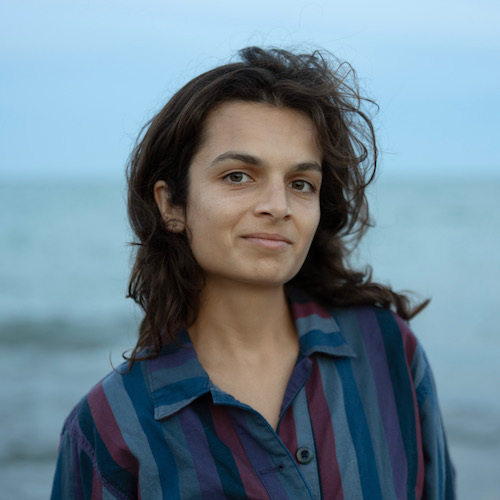
Mira Dayal (Triple Canopy / Artforum)
Mira Dayal works at the structural level of art criticism rather than simply reviewing individual exhibitions: as a senior editor and writer, her concern is with the infrastructures — editorial, economic, institutional — that determine which voices get to speak in the art world and on what terms. Her essays for Triple Canopy and Artforum engage with critical theory rigorously without becoming inaccessible, and she brings a genuine political awareness to questions about how criticism reproduces or challenges existing power arrangements. She is among the most important younger editors working in serious art publishing, and her influence on what gets published is as significant as her influence as a writer.
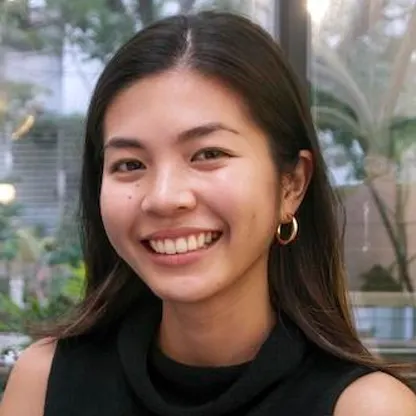
Annette An-Jen Liu (ArtAsiaPacific / The Brooklyn Rail)
Annette An-Jen Liu is a rising critical voice whose work addresses a genuine gap in Anglophone art coverage: the relationship between contemporary practice in Asian and diasporic contexts and the digital networks that are increasingly shaping how that work is produced, distributed, and received. Her concept of the “phygital continuum” — the blurring of physical and digital experience in contemporary artistic practice — has given her a theoretical framework that distinguishes her writing from straightforward regional coverage. She brings both academic rigor and genuine enthusiasm to her subject, and her growing presence across ArtAsiaPacific and The Brooklyn Rail signals a career that is clearly building toward wider influence.

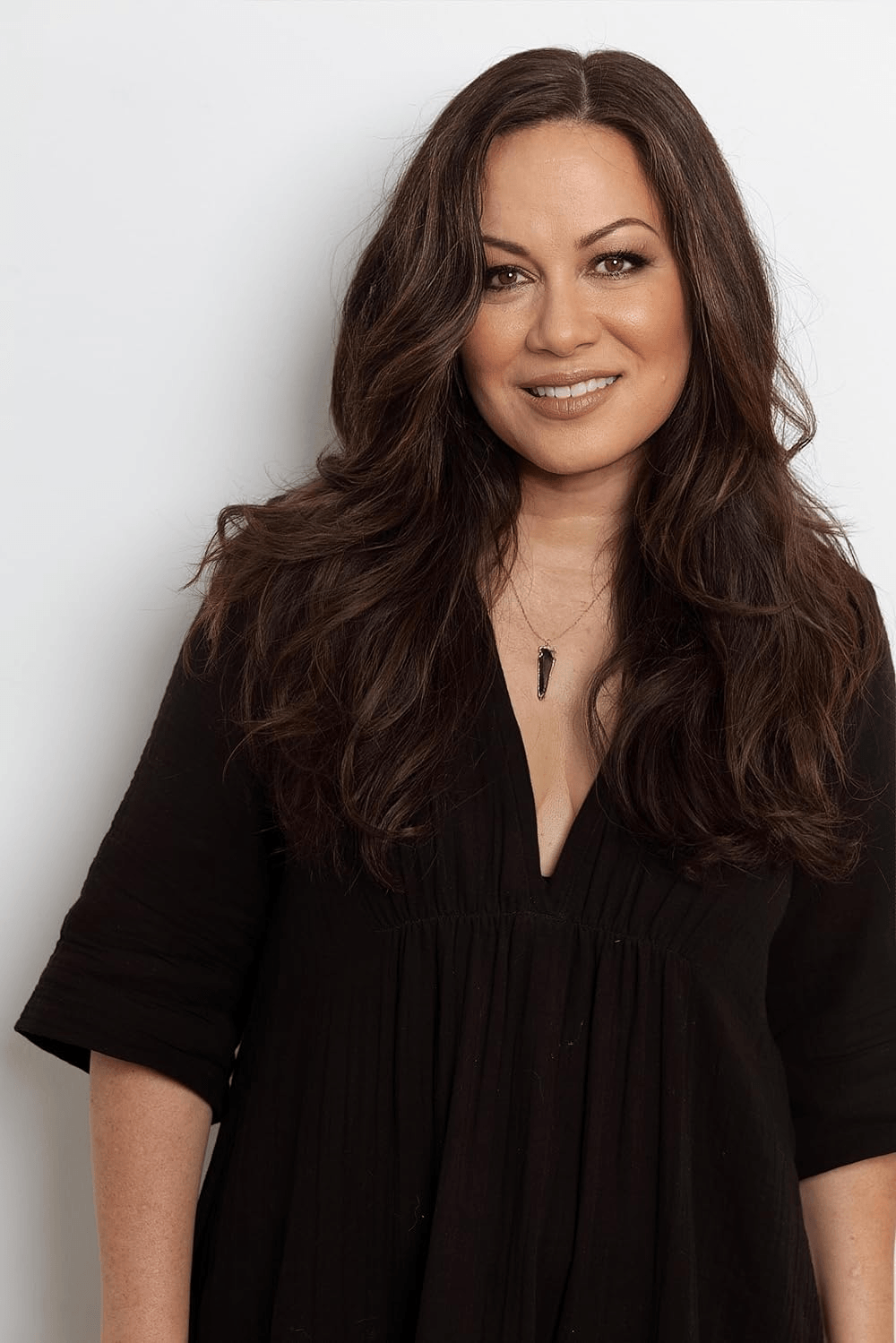
Shannon Lee (Artlab Editorial)
Shannon Lee edits and writes from a position at the intersection of Asian American cultural identity and the broader debates about what “progress” means in contemporary art and culture. Her work at Artlab is defined by a commitment to examining how institutions define and deploy the language of diversity and inclusion — testing those claims against the actual experience of artists working outside the dominant cultural mainstream. Her writing is accessible without being simplistic, and she has a particular talent for grounding theoretical arguments in concrete artistic examples that make abstract debates legible to a general readership. She is a voice that the mainstream art press is paying increasing attention to.
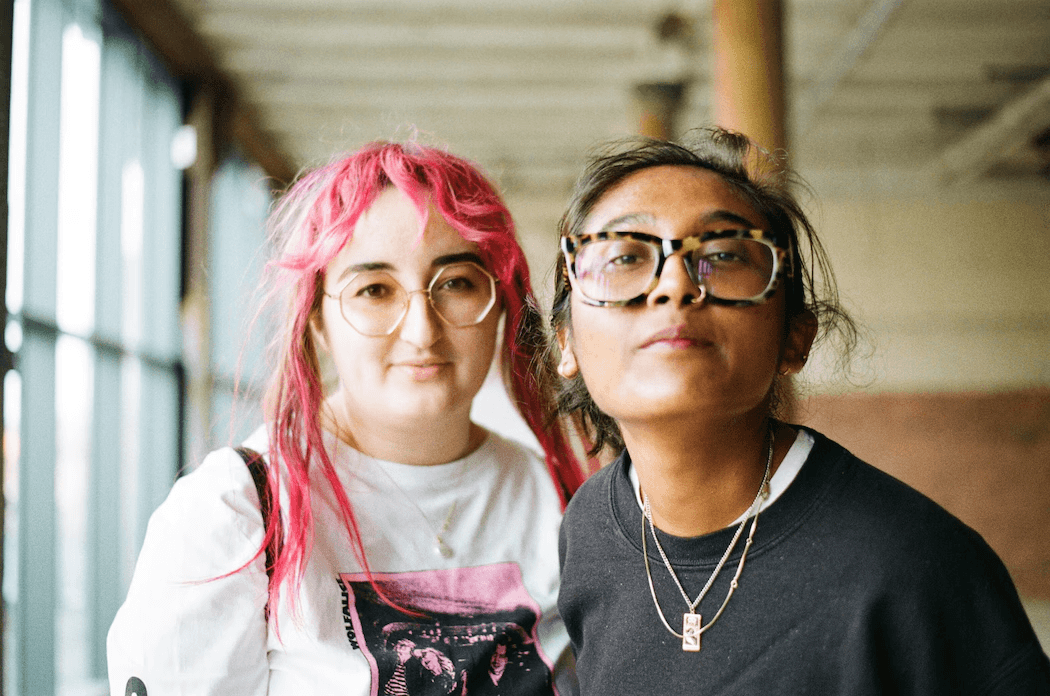
Zarina Muhammad & Gabrielle de la Puente (The White Pube)
Zarina Muhammad and Gabrielle de la Puente have built one of the most genuinely disruptive presences in contemporary art criticism through the simple strategy of writing exactly what they think in language that everybody can understand. The White Pube was founded as a conscious rejection of the gatekeeping jargon and institutional deference that characterizes much professional criticism, and that founding instinct has remained consistent as their platform has grown into a genuine cultural force. Their reviews are blunt, personal, and grounded in the lived experience of engaging with art as people without institutional backing — an approach that has earned them a loyalty from younger readers that legacy publications struggle to match.
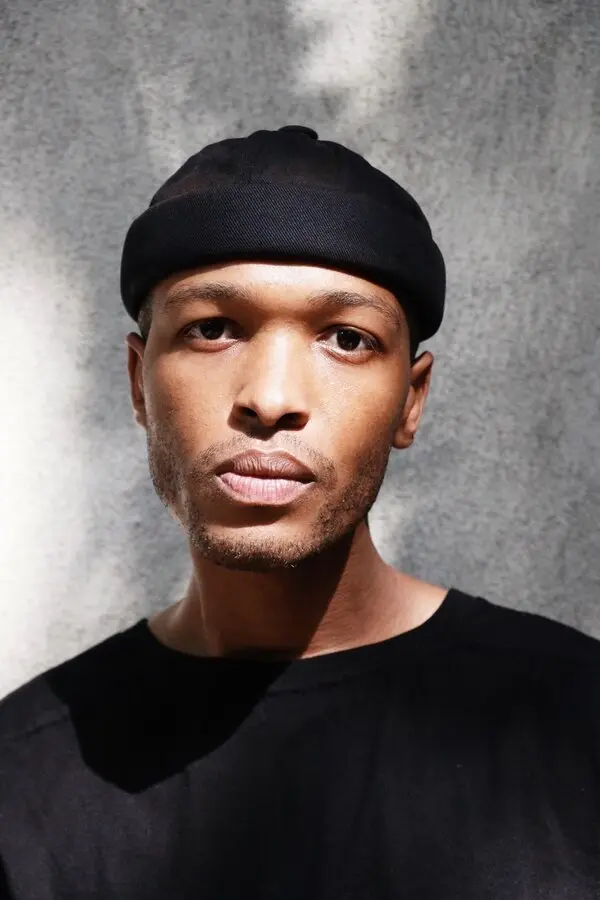
Antwaun Sargent (Gagosian / Freelance)
Antwaun Sargent has worked across the lines between criticism, curating, and institutional practice in ways that give his writing an unusual kind of authority: he is not observing the art world from outside but shaping it from within, and his essays on Black identity, fashion, and contemporary art reflect the perspective of someone who has been centrally involved in changing what the major institutions actually do. His book The New Black Vanguard is required reading for understanding the shifting representation of Blackness in fashion photography and fine art. As both a writer and a curator at Gagosian, his influence over which artists receive major platform support makes him one of the field’s genuinely consequential figures.
Hrag Vartanian (Hyperallergic)
Hrag Vartanian co-founded Hyperallergic at a moment when art criticism’s institutional gatekeeping was at its most rigid, and the publication he has built is now one of the most important platforms for holding the art world accountable. His own journalism is defined by an investigative instinct — a willingness to pursue stories about labor practices, institutional misconduct, and the gap between the art world’s progressive self-image and its actual behavior — that distinguishes Hyperallergic from publications more dependent on gallery and museum advertising. Under his editorial direction, the platform has also consistently championed critical voices from communities underrepresented in mainstream art media.
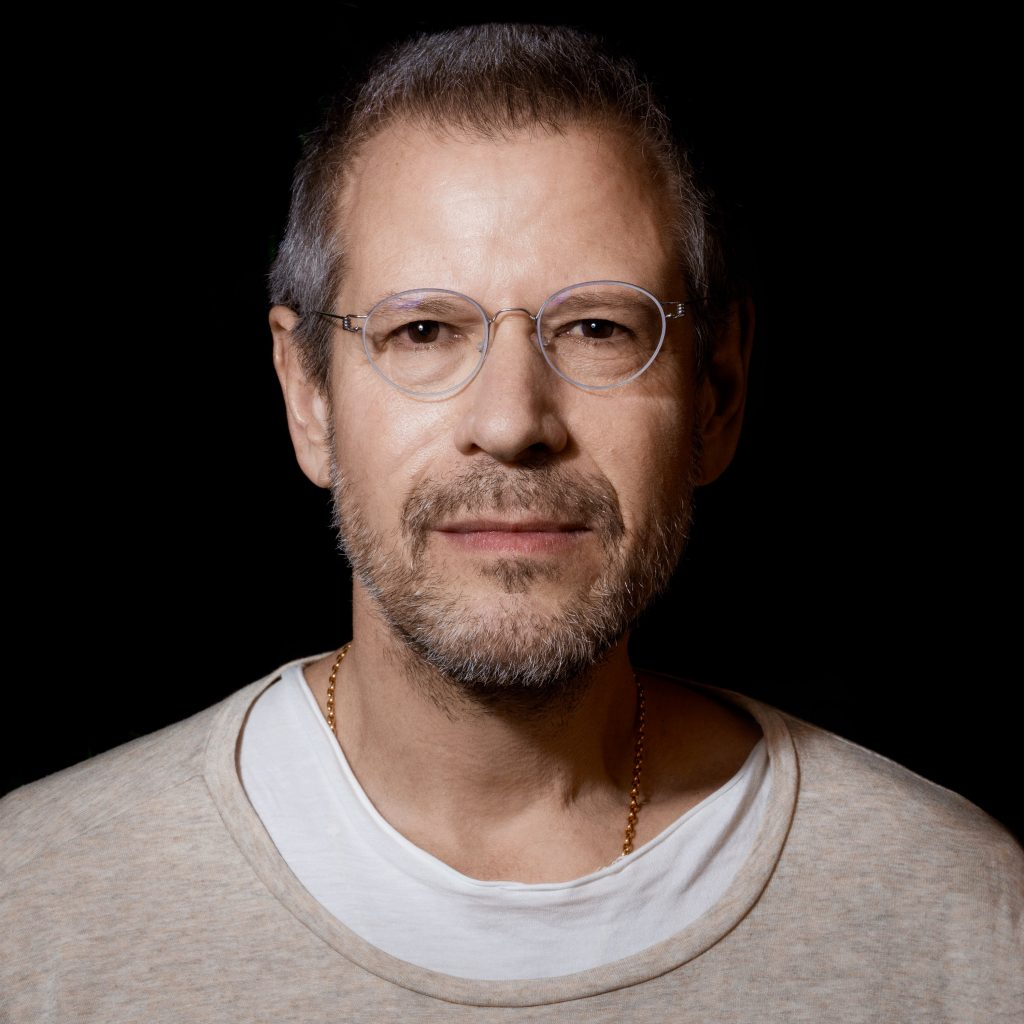
Kenny Schachter (Artnet)
Kenny Schachter is the art world’s most entertaining and least predictable journalist — a dealer-turned-writer whose columns for Artnet combine market insider knowledge with a gonzo willingness to be personally implicating that no institutional publication would permit. His coverage of the NFT boom and bust was definitive precisely because he was both participant and observer, and his ability to name names and describe practices that the rest of the field politely ignores gives his work a documentary value that outlasts the entertainment. He is frequently wrong, occasionally brilliant, and always readable — a combination that makes him essential to understanding the art market’s more florid pathologies.
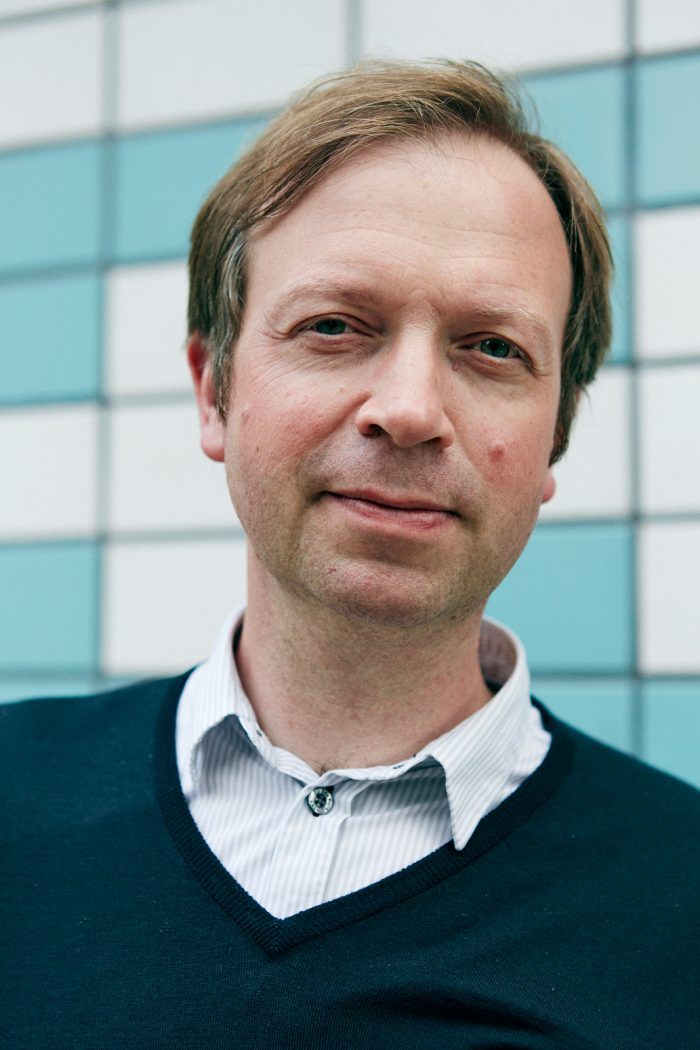
JJ Charlesworth (ArtReview)
JJ Charlesworth is one of the most theoretically equipped critics working in mainstream art journalism, bringing a consistent political-philosophical framework to his analysis of how the role of the artist has shifted in an era of institutional instrumentalization. His essays for ArtReview are among the publication’s most intellectually demanding, refusing to treat art’s engagement with social and political questions as inherently progressive or inherently compromised, and instead asking what specific works are actually doing and for whom.
He is a reliable contrarian in the best sense — his disagreements are always argued from principle rather than reflex, and they consistently force readers to examine assumptions they did not know they held.
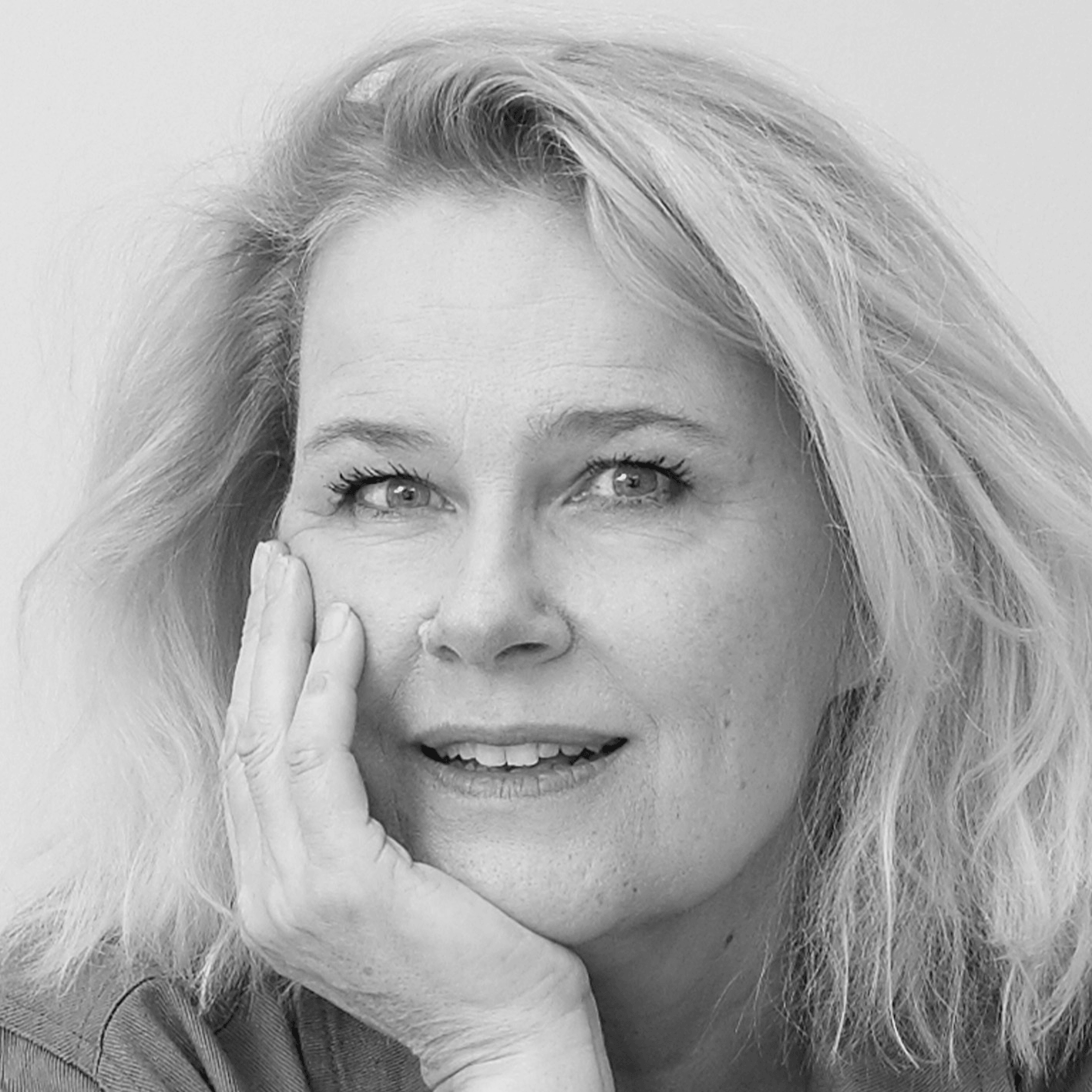
Laura Cumming (The Observer)
Laura Cumming may be the finest prose stylist working in English-language art criticism, a writer whose reviews in The Observer treat the encounter with a painting or a photograph as an occasion for storytelling that can rival the experience of the work itself. She is particularly brilliant on portraiture and on the hidden narratives embedded in images — the way a background detail or a sitter’s expression can open into an entire historical world. Her book A Face to the World demonstrated that her talent for visual storytelling is not constrained by the column format, and her weekly reviews remain some of the most consistently pleasurable writing available on any subject in the British press.

How to engage best art journalists
The journalists on this list receive hundreds of pitches per week. Understanding what separates the ones they act on from the ones they ignore is the difference between coverage and silence.
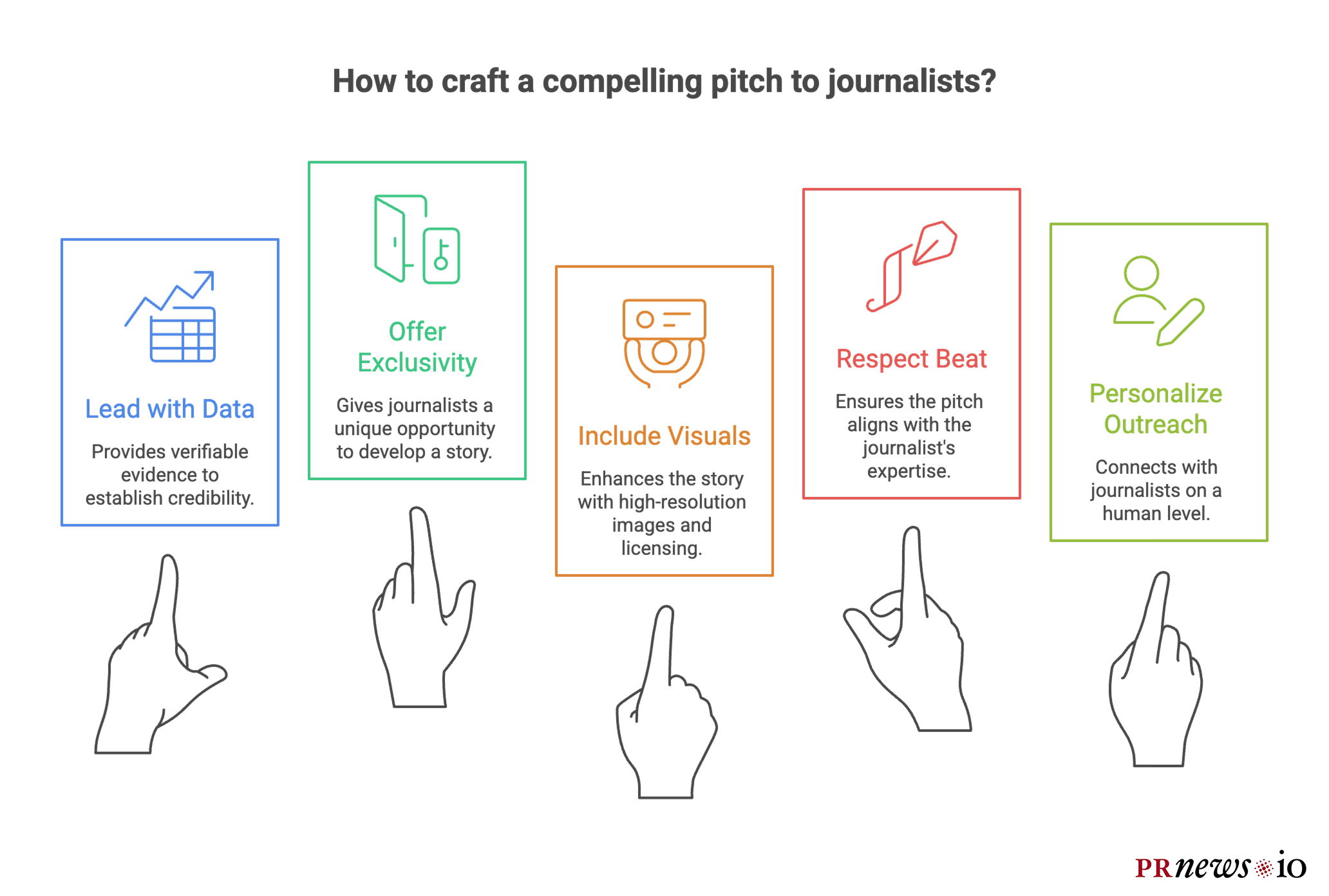
- Data and documentation first. The strongest pitches lead with something verifiable: sales figures, attendance data, a newly available archive, a quantitative study. Opinion and narrative can follow, but credibility is established with evidence.
- Genuine exclusivity. “Exclusivity” does not mean embargo. It means giving one journalist the chance to develop a story before it becomes a press release. The journalists on this list have enough incoming material to be selective; they prioritize the pitches that offer them something nobody else has.
- High-quality visuals, properly licensed. For any story involving physical work, provide high-resolution images with clear credit information and confirmed licensing terms. Chasing rights clearances after the fact is an editor’s nightmare and will delay or kill coverage.
- Respect for their actual beat. Jerry Saltz does not cover the art market. Tim Schneider does not review gallery shows. Misaligned pitches signal that you have not read the journalist’s work — the fastest possible path to the spam folder.
- A real person, not a mail merge. Journalists can identify automated outreach in seconds. A short, specific note that references a recent piece they wrote will outperform a polished mass-email template every time.
Features at major publications (NYT, Washington Post, New York Magazine) operate on weeks-to-months timelines. Independent journalists with newsletter operations can move faster, but their selectivity is higher. Plan PR campaigns around these realities: a perfect story pitched six weeks before launch will perform better than a better story pitched the week of.
An alternative path to visibility
Securing coverage from the journalists on this list is genuinely difficult — that is precisely what makes their bylines valuable. For campaigns that require guaranteed placement and measurable reach while a longer-term media relationship is being built, PRNEWS.IO offers a direct and structured alternative that requires no pitching, no waiting, and no editorial approval process.
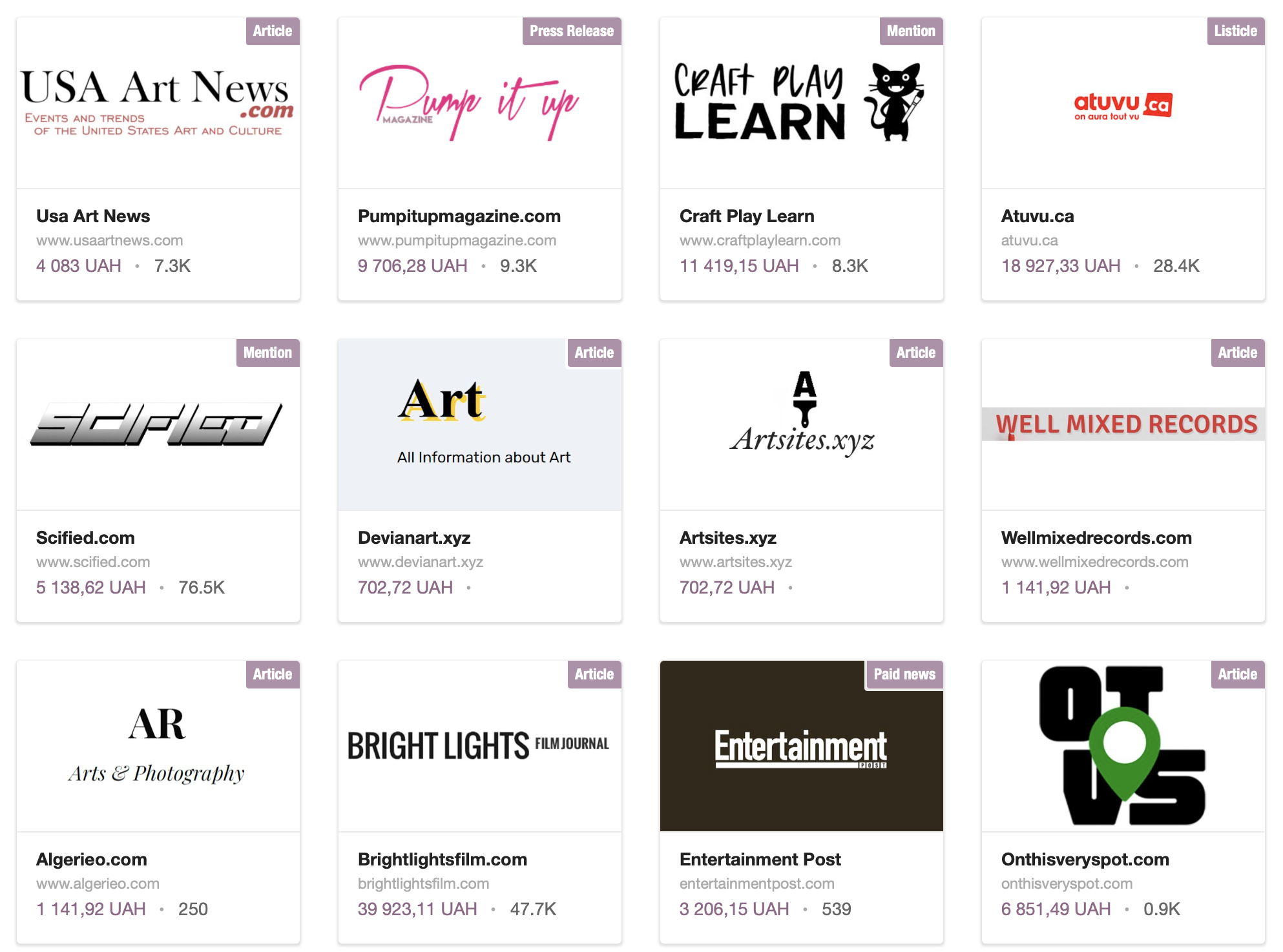
The platform’s media catalog is built around a categorization and filtering system that makes it immediately practical for art world campaigns. Selecting the Arts filter surfaces a curated set of verified publications specializing in art, culture, and creative industries — outlets with established, relevant readerships — allowing PR teams to identify and purchase placements that reach the right audience without the uncertainty of editorial outreach. The result is guaranteed publication in indexed, credible media: your story goes live on a defined timeline, with measurable reach, and without dependence on any individual journalist’s schedule or interest.
This is not a workaround or a lesser option — it is a different tool for a different purpose. A sustained pitching relationship with the critics and reporters listed in this guide builds long-term credibility and drives the kind of earned media that shapes reputations over years.
Guaranteed placement via PRNEWS.IO’s Arts-filtered catalog ensures that your story is findable, indexed, and reaching relevant readers right now, while that longer-term credibility is being built. Sophisticated PR operations use both in parallel: targeted journalist outreach for prestige and narrative, PRNEWS.IO for consistent, controlled visibility on campaigns where timing and reach cannot be left to chance.
Conclusion
This list will be updated. Art journalism is not a static field. The critic who publishes their best work next year may not have been included here; the power dynamics of major outlets shift; independent voices grow and sometimes burn out. We will revisit these rankings in late 2026 and welcome nominations from readers who believe a name has been unfairly overlooked.
What will not change is the underlying argument of this list: that rigorous, independent, courageous art journalism is a public good — and that the people who practice it deserve more attention, more resources, and more readers than the algorithmic attention economy tends to award them. Follow them. Read them carefully. And if you pitch them, pitch them well.