Sports journalism has never been under more pressure or more scrutiny. The collapse of local sports desks, the rise of athlete-owned media channels, the shift of rights deals from network television to streaming platforms, and the explosion of opinion-led broadcasting have all transformed what sports journalism is, who does it, and what it is worth. In this environment, the journalists who matter most are not simply those with the largest audiences — they are the ones whose work still carries the weight of independent credibility.
The difference between good and poor sports journalism is measurable. A single well-reported investigation — into a coaching scandal, a league’s handling of player safety, or the economics of a franchise relocation — can change policy, trigger legal proceedings, or shift public opinion in ways that press releases and sponsored content cannot touch. A trusted sideline reporter shapes how millions of viewers experience a live event. A tactical analyst reframes how an entire generation of coaches and fans understand the game. These are not trivial contributions.
This guide profiles thirteen sports journalists — active and historical — whose work has demonstrably shaped their sport, their medium, or both. The selection spans broadcast television, radio, print, and digital; it covers American football, football (soccer), rugby, baseball, basketball, and multi-sport broadcasting; and it represents journalists from the United States, the United Kingdom, Venezuela, and New Zealand. Inclusion was based on a specific, verifiable contribution — not name recognition alone.
Top sports journalists:

Carolina Guillen – ESPN Deportes · SportsCenter Anchor & Host
Twitter | LinkedIn | Instagram
Carolina Guillén broke structural ground when she became the first Venezuelan woman to anchor for ESPN, joining the network’s Latin American SportsCenter operation in 2004. That barrier was not symbolic — it redrew who sports television in Latin America could speak to and who could speak for it.
Her coverage portfolio spans six Telly Awards and two Premio Mara de Oro, representing recognition across both craft and influence. She has anchored multiple MLB All-Star Games, the Home Run Derby, two World Baseball Classics (2006 and 2009), and the Caribbean Series — a body of work that positions her as the primary broadcast voice connecting Latin American audiences to major baseball events. Beyond sport, she voiced the Spanish-language version of the character Colette in Disney-Pixar’s Ratatouille (2007), a crossover that reflects the cultural range her platform commands. She has since become one of the most followed sports personalities on Spanish-language social media.
Most useful for: sports organisations and brands with Latin American audiences, MLB-adjacent campaigns, and any PR effort requiring a trusted bilingual broadcaster with documented reach into Spanish-speaking markets.
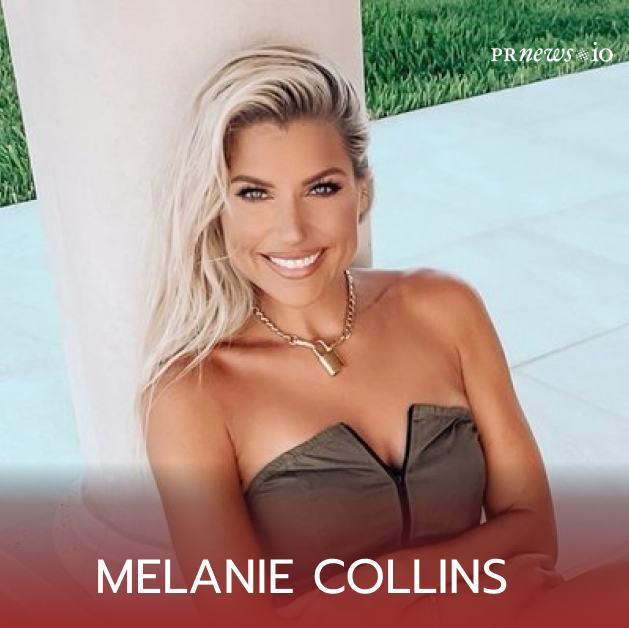
Melanie Collins – CBS Sports · NFL Sideline Reporter
Melanie Collins has built a deliberately cross-sport career — NFL, NBA, college football and basketball, MLB, and golf, including PGA and LPGA championships — at a time when most broadcasters are pushed toward specialisation. The breadth is a strategy: it makes her one of the few sideline reporters whose network value does not depend on a single sport’s broadcast cycle.
Her CBS Sports NFL sideline assignment represents the apex of that strategy — NFL sideline reporting is among the most competitive positions in American sports television. She has also hosted Big Break and Driver vs. Driver on Golf Channel, adding a hosting dimension to her broadcasting profile that distinguishes her from pure sideline reporters. Her Olympic and Super Bowl assignments, combined with red carpet work for E! News, reflect a deliberate effort to build a platform that operates across sport and entertainment — an increasingly important capability for broadcasters whose careers extend beyond a single network contract.
Most useful for: multi-sport sponsors and brands seeking a broadcaster with cross-category credibility, particularly across NFL, golf, and college sports.

Erin Andrews – FOX Sports · NFL Sideline Reporter & Co-Host
Twitter | Facebook | Instagram
Erin Andrews is the rare broadcaster who has sustained elite-level credibility across two of the most competitive platforms in American sports television — first at ESPN for eight years, then at FOX Sports from 2012 onwards — without ever being reduced to a supporting role.
Her FOX Sports assignments reflect that standing: she has worked the sidelines at Super Bowl XLVIII and Super Bowl LI, the NFC Championship, and MLB’s World Series — not fill-in appearances, but primary assignments at the network’s largest productions. Alongside that schedule, she co-hosts ABC’s Dancing with the Stars, a consistent presence that has made her one of the most recognisable faces connecting sports and mainstream entertainment. The combination of live game credibility and entertainment crossover is genuinely rare; most broadcasters choose one lane.
Most useful for: sports leagues and sponsors seeking sideline reporter access at NFL or MLB flagship events, and brands operating at the intersection of sport and entertainment culture.
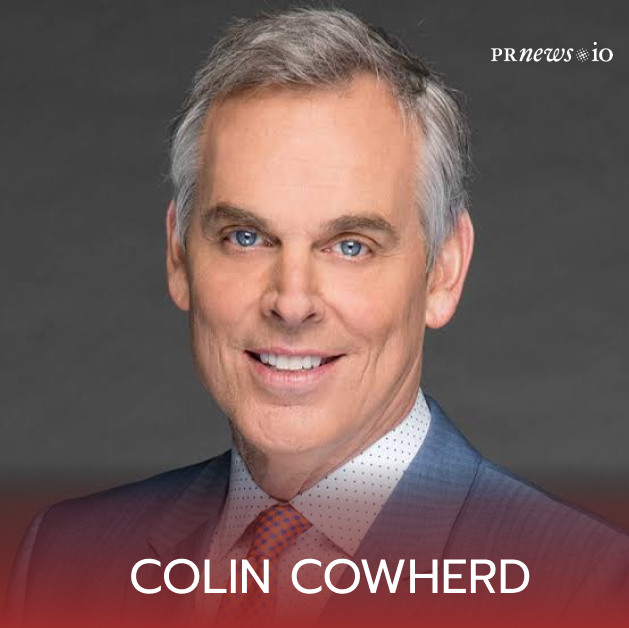
Colin Cowherd – Fox Sports Radio / Fox Sports 1 · Host, The Herd
Colin Cowherd built one of the longest-running opinion franchises in American sports media from a starting point that had nothing to do with sport: he was a schoolteacher before entering broadcasting. That background is not incidental — his analytical style, which prioritises argument construction over emotional reaction, reflects the rhetorical habits of someone trained to explain rather than perform.
The Herd with Colin Cowherd simulcasts on Fox Sports 1 and Fox Sports Radio, giving it a combined reach across television and radio that few single-host programmes match. He has maintained this platform across more than two decades of a media landscape that has eliminated most of his contemporaries. In addition to broadcasting, he has published multiple books — a further sign that his audience follows his thinking rather than simply the sport he covers. He is one of the few sports hosts whose opinion on a player or organisation genuinely moves the conversation rather than merely reflecting it.
Most useful for: leagues and franchises whose public narrative is actively contested — Cowherd’s programme shapes opinion rather than reports it, making access to his platform strategically significant for reputation management.
Guy Heveldt
Not until the last term of his final year at Christ’s College, did Guy Heveldt choose his future career.
He started to think about what he likes to do– and that was talking and cricket. Hence, he chose the broadcasting degree at Christchurch Polytechnic. And finally, he has found his perfect niche. He’s still happy to cover all sports stories, cricket is his passion.
With a Bachelor of Broadcasting Communications, Guy’s now a well-known reporter in sporting media, covering the Glasgow Commonwealth Games in 2014 and the Cricket World Cup in the United Kingdom in 2019. Also, Guy worked for six months as a researcher for Eyeworks in Auckland and did shifts at Radio Sport.
He dedicated seven “amazing” years at Radio Sport, learning how to speak confidently on air, and how to elaborate, to tell the story better, how to write better. Later, he moved into the production side, hosted radio shows, and eventually joined TVNZ.

Thuc Nhi Nguyen – Los Angeles Times · College Sports & NBA Reporter

Twitter | LinkedIn | Instagram
Thuc Nhi Nguyen represents a model of sports journalism that is increasingly important but still underrepresented on lists like this one: deeply beat-specific, analytically rigorous, and built on institutional knowledge of a single market rather than broadcast celebrity.
Her coverage of UCLA athletics for the Southern California News Group across four years included coaching searches, the 2017 Chinese shoplifting scandal involving basketball players, and back-to-back national championship cycles — a combination of institutional access and investigative reporting that most broadcast journalists do not achieve. She now covers college sports and the NBA for the Los Angeles Times, one of the few remaining American newspapers with the resources to sustain serious sports desk reporting. Her mathematics degree from the University of Washington is not incidental: it shapes a data-literate approach to sports analysis that distinguishes her work from narrative-only coverage.
Most useful for: West Coast sports organisations, NCAA programmes, and NBA teams operating in the Los Angeles market seeking a reporter who combines investigative instincts with deep local institutional knowledge.
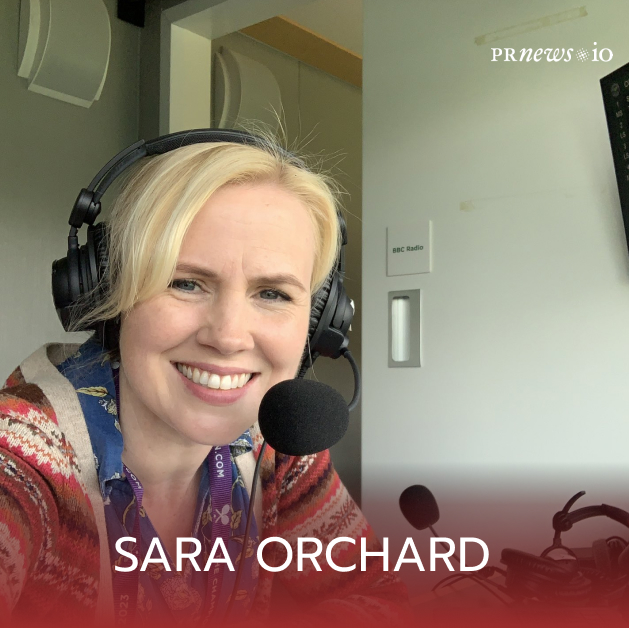
Sara Orchard – BBC Sport · Commentator & Presenter
Twitter | LinkedIn | Instagram
Sara Orchard became the first woman to lead rugby commentary in the United Kingdom when she called England vs Fiji in November 2016 — a milestone in a sport where commentary boxes had been exclusively male for the entirety of the broadcast era.
Her credentials for that role were substantive, not symbolic: she is a qualified rugby coach and referee, which means her broadcast analysis is grounded in technical knowledge most commentators — male or female — do not possess. She covered the Rugby World Cup as one of the BBC’s youngest female sports correspondents, worked for Olympic Broadcast Services across the 2010–2014 cycle including the Sochi Winter Olympics, and covers Six Nations regularly on BBC Radio 5 Live. The combination of technical expertise, broadcast range, and the historical significance of her rugby commentary milestone makes her profile genuinely impossible to swap with any other entry on this list.
Most useful for: rugby unions, governing bodies, and sports organisations seeking BBC-level coverage from a journalist with both broadcast authority and technical credibility inside the sport.

Ashley Stroehlein
Twitter | LinkedIn | Facebook | Instagram
Ashley Stroehlein is a sports anchor and a journalist in WCNC Charlotte since August 2019.
For five years, Ashley worked as the weekend sports anchor at WBTV. Ashley also works as a sideline journalist at Conference USA games for the NFL Network and the pit reporter for Bristol Motor Speedway’s Cup, Xfinity, and Truck series races. Ashley also cooperates with the Charlotte Knights and Charlotte Checkers as an in-game host for both teams.
The world of athletics has played an important role in Ashley’s life. As a four-sport star in high school, she gained All-District Honors in basketball, volleyball, softball, track, and cross country. She was honored to be called the Virginia High School Scholar-Athlete of the Year in 2006 and graduated as her school’s valedictorian.
Her work as an anchor and storyteller has earned her many professional honors. Most notably, she is a two-time recipient of the prestigious Gracie Award, which awards exemplary programming created by, for, and about women in all aspects of media and entertainment.
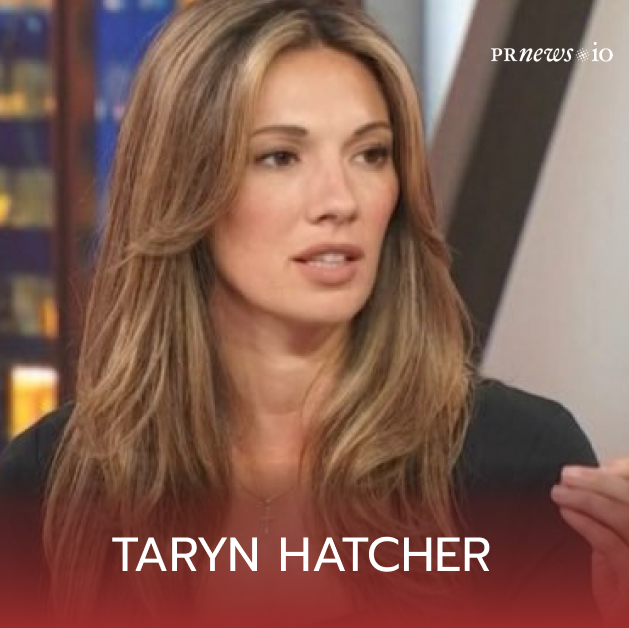
Taryn Hatcher
Twitter | LinkedIn | Facebook | Instagram
Taryn Hatcher is a famous sports Broadcaster in the USA.
Taryn became well-known because of her sports broadcasting and journalistic skills. In her student days, she worked as an intern in IHeart Media and Comcast SportsNet and start to run her career. Taryn also has the experience, working as a sports broadcaster for ten months on RVision. Later on, she was hired by the Big Ten Network as a sideline journalist. Afterward, she became more popular when she started working for the Hawaii News Now as a sports reporter and anchor in 2015.
She is now working with NBC Sports Philadelphia in the United States of America. Now Taryn became a famous broadcaster and a sports journalist.
She studied Journalism and Mass Media as well as Political Science and Government at the prestigious Rutgers University in New Brunswick where she.
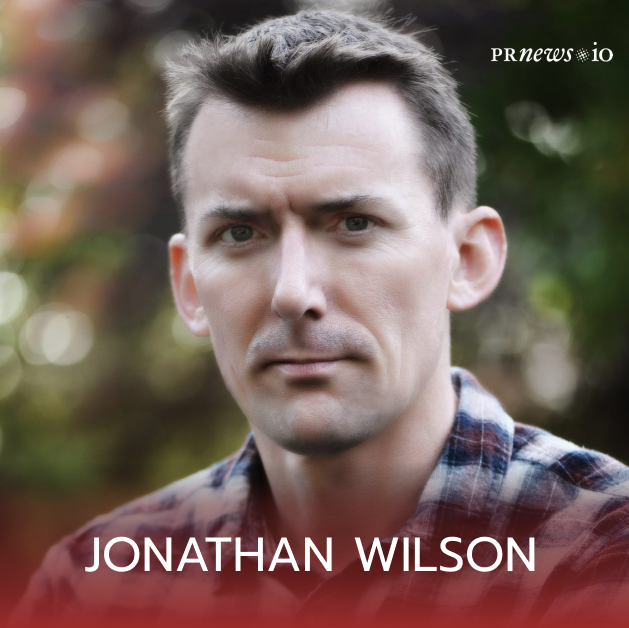
Jonathan Wilson – The Observer · Chief Football Columnist & Founder, The Blizzard
Twitter | Facebook | Wikipedia
Jonathan Wilson occupies a position in football journalism that has no direct equivalent: he is simultaneously the sport’s most widely read tactical analyst and the editor of The Blizzard, the quarterly journal that redefined what long-form football writing could be.
His book Inverting the Pyramid — a history of football tactics — is taught in sports journalism programmes and cited by coaches and managers as a reference text. It did not merely describe how football is played; it gave readers a framework for understanding why formations change over time and what those changes reveal about the sport’s economics and culture. Wilson’s columns for The Guardian, The Independent, and The Daily Telegraph, and now The Observer, apply the same analytical discipline to contemporary coverage. The Blizzard, which he founded, created a publishing space for long-form football writing that had no commercial home before he built one.
Most useful for: football organisations, governing bodies, and sports media companies seeking a journalist whose work reaches the most analytically engaged segment of the global football audience.
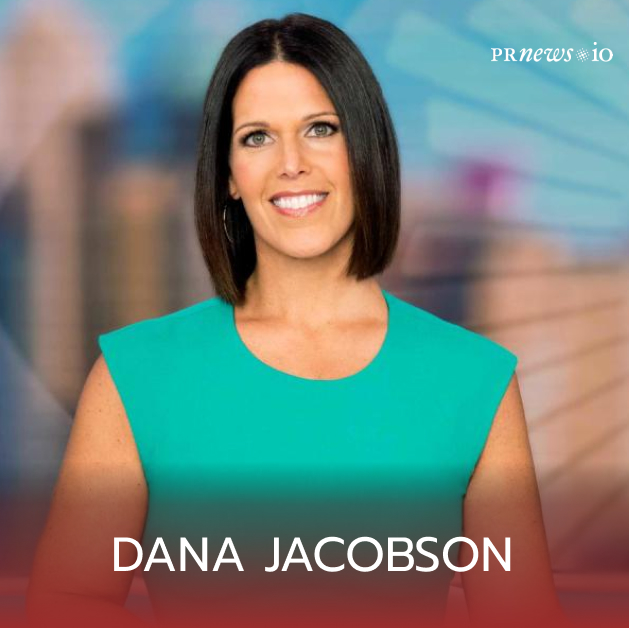
Dana Jacobson – CBS News · Correspondent & Co-Host, CBS This Morning Saturday
Twitter | LinkedIn | Instagram
Dana Jacobson has built one of the most durable careers in American sports broadcasting by refusing to be defined by a single sport or a single format — a strategic choice that has made her more resilient than most of her ESPN contemporaries who have not survived the network’s cycles of contraction.
After more than a decade at ESPN, she joined CBS in 2013, where she covers NBA, the Olympics, and the X Games alongside broader news assignments as a CBS News correspondent and Saturday morning co-host. Her National Headliner Award and Edward R. Murrow Award for sports reporting are peer-conferred recognitions of journalism craft, not audience metrics — a distinction that matters when assessing the quality of coverage rather than its scale. She was inducted into the Michigan Jewish Sports Foundation Hall of Fame, a community recognition that adds a dimension to her public profile beyond broadcast credentials.
Most useful for: Olympic sports, NBA, and action sports properties seeking CBS-level coverage from a journalist with documented broadcast credibility across both sports and news formats.
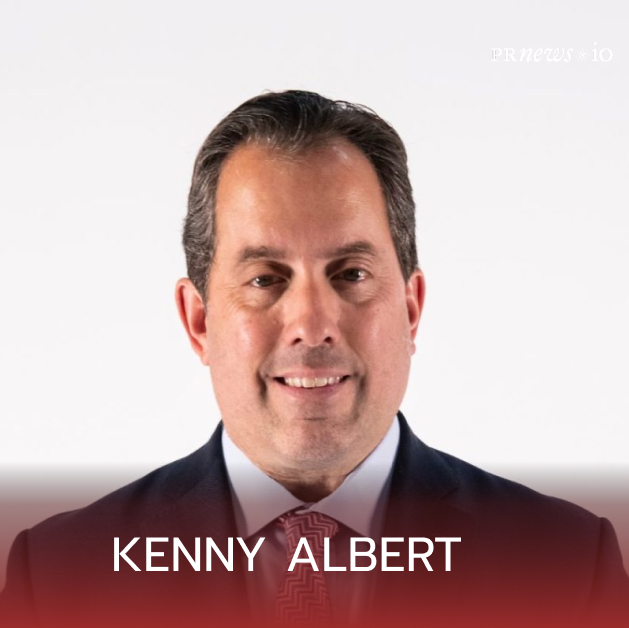
Kenny Albert – FOX Sports / NBC Sports · Play-by-Play Broadcaster
Twitter | LinkedIn | Facebook | Instagram
Kenny Albert’s defining professional achievement is structural: he is the only national play-by-play broadcaster in American sports who has called NFL, MLB, NHL, NBA, and boxing at the network level. This is not a volume claim — it reflects an adaptability that is genuinely unusual in a profession where most broadcasters specialise deeply in a single sport.
His NFL on FOX tenure dates to the network’s inaugural 1994 season, giving him over three decades of institutional continuity on the sport’s most-watched broadcast platform. He has called five NFC Divisional Playoff games and three BCS bowl games, and served as the New York Rangers’ radio play-by-play voice since 1995 — a parallel career in radio that most television broadcasters have not maintained. His Sports Emmy nomination reflects industry recognition of broadcast craft, and the family lineage (son of legendary sportscaster Marv Albert) has been a context for his career without defining it; his own record stands on its own terms.
Most useful for: multi-sport organisations and leagues seeking a broadcaster with established credibility across formats, particularly for NFL and NHL flagship coverage.
Mary Garber (1916 – 2008) the First Woman Sports Writer
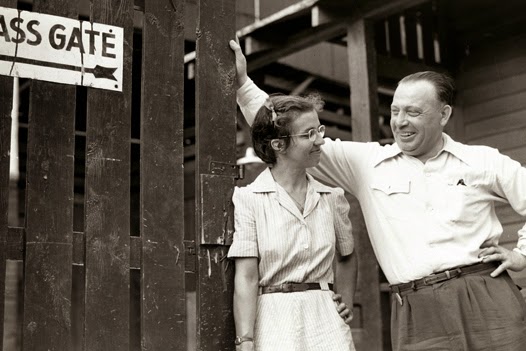
Mary Garber spent 70 years as a sportswriter for the Winston-Salem Journal — a career so long that it spanned the entire modern era of American sports journalism, from the segregation of college athletics through Title IX and the professionalisation of women’s sports.
She received the 2005 Associated Press Sports Editors Red Smith Award, the highest honour in American sports writing — and became the first woman ever to receive it. She was also the first woman inducted into the U.S. Basketball Writers Association Hall of Fame in 2002. Those firsts were not awarded to a token figure: they reflected a journalist whose reporting consistently met the highest standards of the profession over seven decades, at a regional newspaper, without the platform advantages of a national masthead. She covered Black college athletes at a time when most Southern papers did not, a journalistic choice that required both editorial courage and physical persistence in environments that were hostile to both her presence and her reporting.
Most useful for: understanding what long-term beat journalism looks like at its most principled — and as a reference point for any organisation serious about the history of sports journalism rather than only its current practitioners.
Zander Hollander (1923 – 2014) | Top Sports Journalists
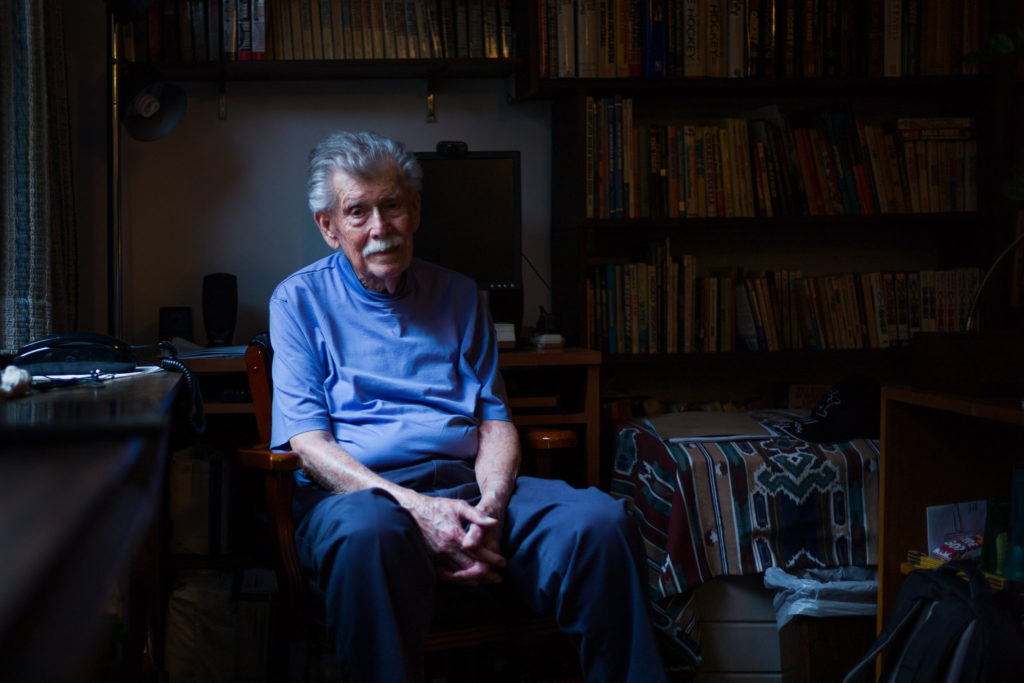
Zander Hollander produced approximately 300 sports reference books across a 45-year career — a body of archival work that provided the factual infrastructure for sports reporting before digital databases existed. His encyclopedias covering nearly every major sport were not simply reference texts; they were the primary source material from which thousands of other journalists and broadcasters built their knowledge. Born in Brooklyn, he served in the Air Force before building a publishing record that has no real equivalent in sports journalism.
Most useful for: understanding how reference infrastructure shapes editorial quality — and as a reminder that not all influential sports journalism is produced in front of a camera or in a newspaper column.
Jimmy Cannon (1909 – 1973) | Top Sports Journalists
Jimmy Cannon began his sports reporting career at 17 at the New York Daily News and spent the next five decades defining what American sports column writing could be. He covered World War II for Stars and Stripes before returning to boxing — the sport that became his most significant beat and earned him a place in the International Boxing Hall of Fame. His columns for the New York Post and New York Journal-American, and later Newsday, set a standard for sports writing that combined literary craft with moral seriousness at a time when the two were rarely found together.
Most useful for: understanding the lineage of American sports opinion writing — and for any journalist or editor who wants to know what the form looked like at its most disciplined.
How to engage with sports journalists
The journalists profiled above receive more pitches than they can read. The ones that earn a response share a small number of consistent characteristics — and the ones that do not share a different, equally consistent set of failures. What follows is drawn from how working sports journalists have described their preferences publicly, and from patterns in successful sports communications.
1. Distinguish broadcasters from beat writers — they want different things
A sideline reporter at CBS Sports and an investigative beat writer at the Los Angeles Times are doing fundamentally different jobs with different lead times and different editorial structures. A pitch for sideline access needs to go through a network’s production team, not the journalist’s personal email. An investigative pitch needs a tip or a document, not a press release. Confusing these categories is the most reliable way to be ignored.
2. For print and digital reporters, the story is not your product — it is the consequence of your product
Thuc Nhi Nguyen at the LA Times and Jonathan Wilson at The Observer are not interested in what your organisation is launching. They are interested in what it means — for the sport, for the athletes involved, for the business of sports. Open your pitch with the consequence, not the announcement. ‘We are launching X’ is not a pitch. ‘Here is what X reveals about how Y is changing’ is closer.
3. For broadcasters, relationships precede coverage
Erin Andrews, Kenny Albert, and Carolina Guillén work within network production structures where editorial decisions about access are made weeks or months in advance. Building a relationship with a broadcast journalist means establishing contact well before a campaign window, offering consistent and reliable access, and not asking for specific framing. Broadcasters protect their credibility; they will not trade it for a feature placement, and pitches that imply they might will be remembered negatively.
4. Historical and analytical journalists require a different currency entirely
Jonathan Wilson and writers in the tradition of Jimmy Cannon or Mary Garber respond to original material — access to data that has not been published, a perspective from inside a sport that challenges received wisdom, or a source whose account genuinely changes the story. They do not respond to embargo lifts, product launches, or interview offers with pre-approved talking points. If you have something genuinely new, say so plainly and immediately. If you do not, do not pitch.
5. Set realistic timelines — and build relationships before you need them
Earned coverage from the journalists in this guide typically takes months from first contact to publication. Print and digital investigations have their own timelines. Broadcast assignments are scheduled by production departments. Newsletter writers operate on their own editorial calendar. No pitch to any journalist in this list will produce coverage within a 48-hour window. Plan your communications work 60 to 90 days ahead of when coverage matters, and invest in relationships before you need to call them in.
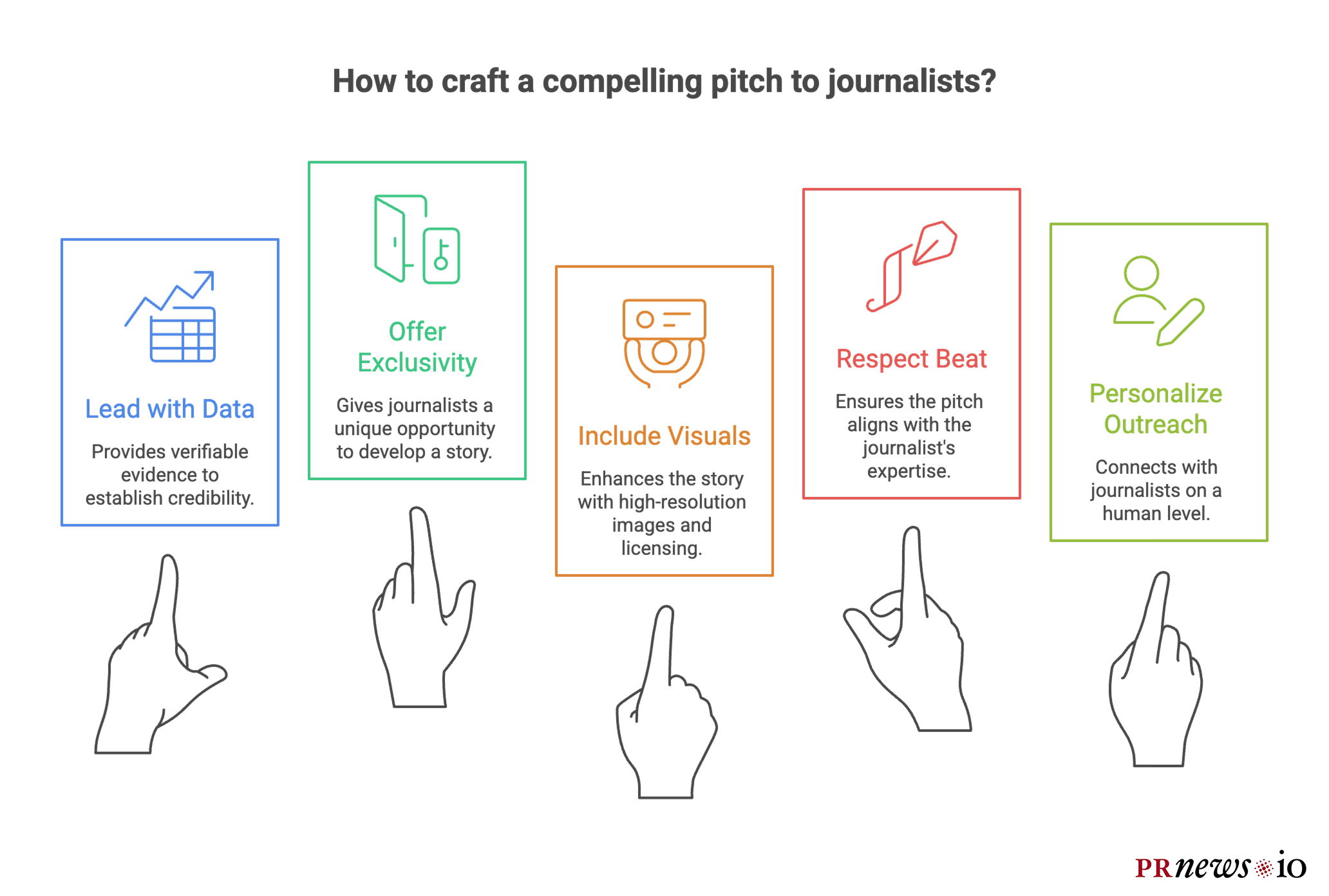
⚠ Avoid: Sending a press release to a sports journalist who covers a completely different beat, with a 24-hour embargo and an expectation of a feature story, is not a pitch — it is a test of how quickly they delete emails. It also ensures they will not respond to your next approach, which will be the one that actually matters.
Building measurable coverage alongside earned media
Coverage from the journalists profiled above is genuinely difficult to earn — and that difficulty is the source of its value. An investigative mention in The Observer or a sideline appearance on CBS Sports carries weight precisely because it cannot be scheduled or purchased.
Most organisations working in sports communications, however, cannot structure their entire visibility strategy around a single earned media cycle. Launch windows are fixed. Partnership announcements are time-sensitive. Regional markets — Latin America, Southeast Asia, Eastern Europe — require coverage that generalist journalists at major English-language outlets rarely provide. This is where a separate commercial track serves a legitimate and different purpose.
PRNEWS.IO operates a verified media placement marketplace with a sports and entertainment vertical filter in its catalog, allowing organisations to select individual outlets by sport, geography, and audience profile rather than distributing to an undifferentiated wire. Placements are guaranteed to publish within a defined timeline without editorial approval dependency — which matters when a campaign has a fixed activation date. All placements are indexed with do-follow link structures, which contributes to organic search visibility in a way that traditional press release distribution does not.

The operational logic for sophisticated communications teams is straightforward: use earned outreach with the journalists in this guide for the long-term reputation work that paid placements cannot replicate; use PRNEWS.IO’s sport-filtered catalog for controlled, time-sensitive announcements, regional coverage, and SEO-indexed distribution that runs in parallel. These are different tools with different purposes — and treating them as such is what makes both work.

Conclusion
Sports journalism shifts faster than almost any other beat. Broadcasters move between networks. Print desks contract and newsletters fill the gap. Athletes build their own media channels and reduce the need for intermediaries. The best sports journalists in five years will include people who are currently covering minor leagues, running subscriber newsletters with 2,000 readers, or studying for their first journalism degree.
This list will be updated as the landscape changes. If there is a sports journalist whose work belongs here and is not represented, the argument for inclusion should meet the same standard applied above: a specific contribution to the field, a beat or methodology they own, and a verifiable impact on their audience or the sport they cover. Volume of followers is not sufficient grounds.
The best sports journalists are not the ones who celebrate the game most loudly. They are the ones who report it most honestly — including the parts the leagues, franchises, and athletes would prefer were not reported at all. That is what makes the best sports journalists worth following, worth pitching, and worth reading.